

WATCH NOW
Watch on the app



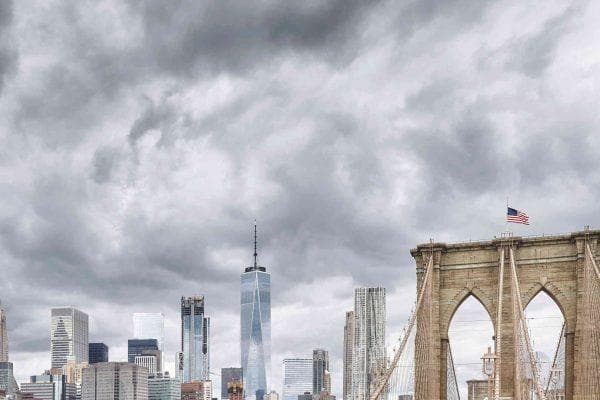





New York is being squeezed by two water crises at once and homes and farms are caught in the middle
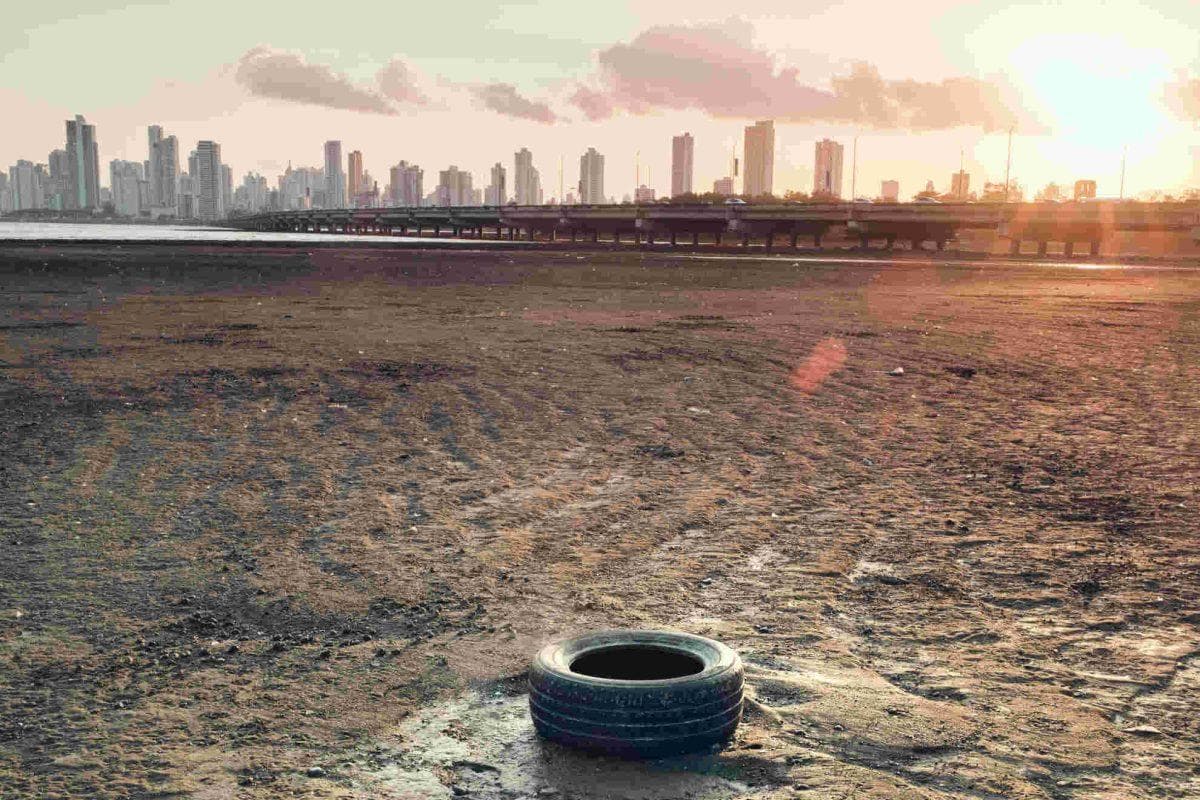
- New York City faces an alarming climate crisis marked by the accelerated rise of sea levels along its coasts and the heavy impact of drought.
- By the year 2050, roughly eight hundred thousand New Yorkers could reside in areas highly vulnerable to floods according to recent official data.
- The state government launched relief funds and special grants so local farm agricultural workers can adapt their properties against extreme sea and drought phenomena.
The coastal danger and the advance of water across the big apple
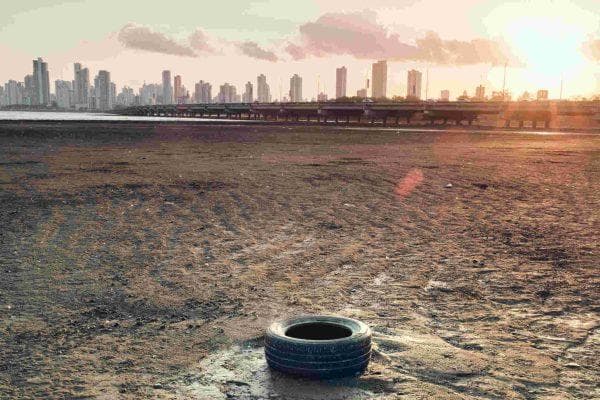
The climate emergency stands out as one of the most urgent challenges for the big apple, especially following recent warnings issued by international experts during United Nations meetings concerning the double climate crisis. According to government projections, sea levels along the New York coast have climbed about thirty centimeters since 1900, and specialists estimate they could rise up to 1.3 meters by the end of the current century.
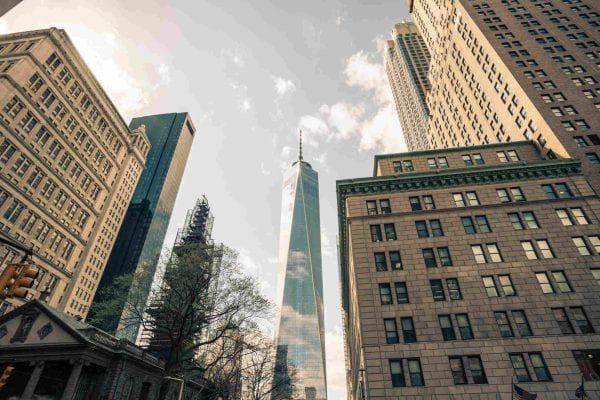
Furthermore, this situation exposes hundreds of thousands of residents to increasingly frequent floods that not only affect residential areas near water bodies, but also overload urban drainage systems during intense storms. For this reason, municipal authorities already implemented strategic plans prioritizing eighty-six critical flood zones, combining sewer improvements with the construction of rain gardens to retain rainwater. Likewise, the climate crisis is already here, forcing the local administration to redouble efforts protecting the community and every family calling this metropolis home.
The devastating impact of drought and extreme weather in the countryside
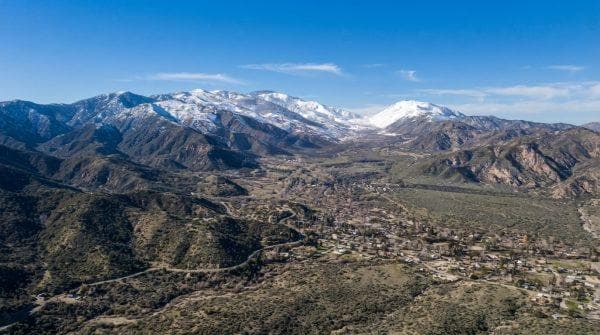
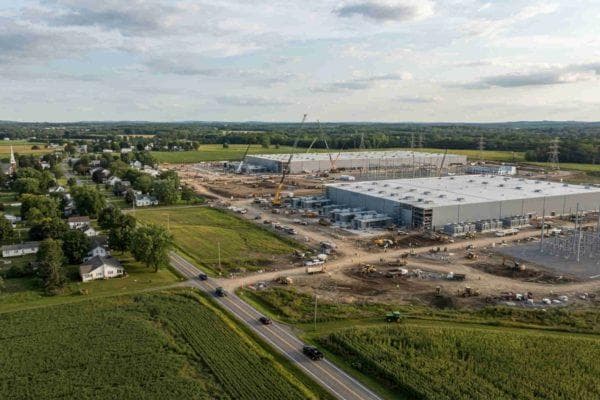
Thus, while sea coasts battle against rising water, countryside agricultural workers face a parallel reality marked by droughts, freezes and sudden floods; this adverse scenario generated by the climate crisis directly endangers local harvests and the economic stability of New York rural zones, compelling producers to seek urgent adaptation alternatives.
To counter this problem, Governor Kathy Hochul announced a multi-million-dollar injection through the Climate Resilient Farming program, designed to finance projects preparing agricultural operations against extreme weather onslaughts. Moreover, these competitive grants seek fostering better practices for soil health and water protection, enabling the agricultural sector to face the ongoing climate crisis with stronger guarantees. Likewise, interested producers face a deadline of November 23, 2026, to submit their proposals through local conservation districts, thereby securing necessary resources safeguarding their lands and keeping food production afloat.
Ver esta publicación en Instagram
Green investments and a sustainable future for the entire region
On the other hand, both phenomena of the climate crisis fit directly into the broader state climate agenda, demonstrating that regional policies target a complete transition toward a clean energy economy. That is why state authorities are actively distributing two billion dollars through the Sustainable Future program, which specifically finances emission reductions, lowers household energy costs across local communities, and generates well-paying green jobs.
With a comprehensive vision seeking to directly benefit the most vulnerable communities, authorities continue allocating resources toward sustainability and energy efficiency programs; thus, the region seeks positioning itself at the forefront of fighting the climate crisis, ensuring urban inhabitants and rural countryside workers alike count on necessary institutional backing resisting onslaughts of a planet constantly transforming through sea action, drought and more.
Ver esta publicación en Instagram
