

WATCH NOW
Watch on the app














New Jersey could make your favorite chewing gum a thing of the past over a hidden ingredient
-
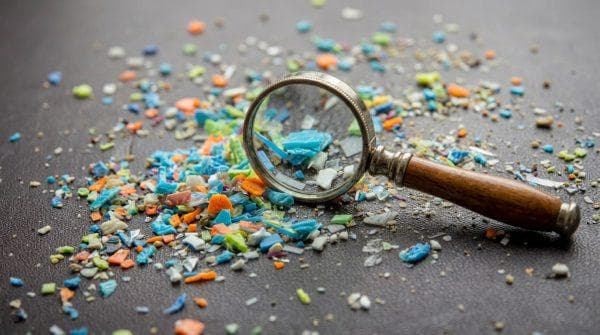
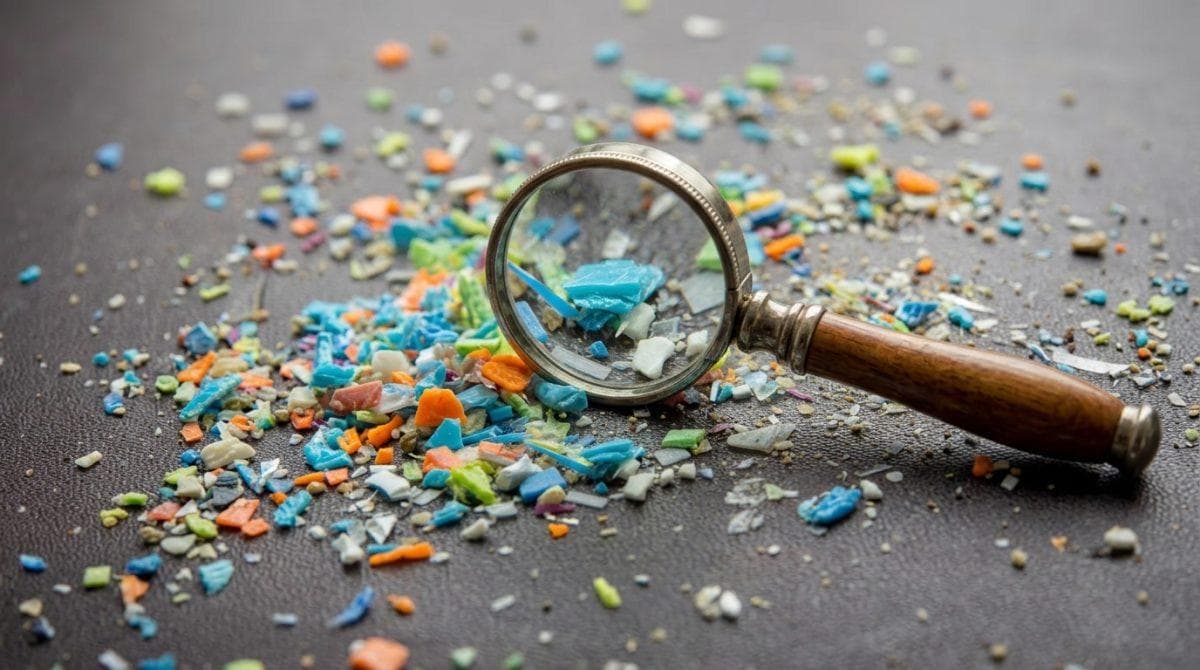
Microplastic content in gum prompts state lawmakers in Trenton to evaluate pioneering legislation that could force popular manufacturers to pull traditional New Jersey chewing gum off store shelves to eliminate hidden toxic additives.
-
State officials propose granting $3M to the Department of Environmental Protection to enforce strict disclosure rules and ban synthetic consumer products.
-
Medical researchers warn that masticating synthetic gum releases harmful microscopic particles directly into human organs within minutes.
A proposed state measure known as the Microplastic Protection Act could soon make traditional New Jersey chewing gum a thing of the past after researchers discovered that chewing popular synthetic brands releases microscopic plastic particles directly into the human body within the first few minutes of use; consequently, the pioneering bill reported by NJ.com aims to curb pervasive health risks by targeting synthetic gum alongside single use kitchenware, cosmetics and household cleaning supplies while granting $3M to state environmental regulators at the New Jersey Department of Environmental Protection for administrative enforcement.
In response to growing public health concerns, state prosecutors led by the New Jersey Attorney General alongside 14 other state attorneys general petitioned the Environmental Protection Agency to demand federal oversight regarding how persistent synthetic fragments accumulate across air, land, and drinking water; meanwhile, lawmakers argue that state level bans serve as an essential defense against widespread tissue damage and organ contamination, particularly as market analysts at Market Data Forecast report that the national chewing gum sector grew to $14.95B in 2025 and expects revenues to reach $15.67B in 2026.
🚨Report: New Jersey Democrats have introduced a bill that could eventually ban the sale of certain chewing gums over concerns regarding microplastics
The bill is called the Protecting Against Microplastics Act https://t.co/ua45fP9ttA
— The Calvin Coolidge Project (@TheCalvinCooli1) October 25, 2026
Pioneering legislation targets New Jersey chewing gum across retail markets
State legislators addressing microplastic content in gum propose a phased compliance timeline requiring manufacturers to display clear warning labels on synthetic formulas for 2 years before facing total retail prohibition in year 3; similarly, the statute establishes severe financial penalties for illegal distribution, imposing fines ranging from $1K to $25K per violation against black market sellers trying to bypass state environmental standards.
On the other hand, environmental officials emphasize that enforcement guidelines distinguish between deliberate additive formulas and incidental contamination; specifically, regulators will exempt products containing unintentional trace particles absorbed strictly from packaging materials rather than raw manufacturing ingredients.
How synthetic ingredients release hazardous particles into human organs
Health authorities studying synthetic additives warn that mastication creates a direct exposure route alongside contaminated drinking water, ambient air and packaged food, as persistent synthetic polymers cause structural cell and tissue damage across every major organ system:
-
Cellular destruction in human organs including the brain and digestive tract.
-
Direct particle absorption occurring within the initial minutes of chewing traditional New Jersey chewing gum.
-
Elevated microplastic content in gum that accumulates across air, soil and public drinking water.
As a result, public health advocacy groups highlight that consumer products like plastic utensils, cleaning agents and personal care cosmetics contribute to an unprecedented buildup of toxic microparticles; therefore, state policy advisors consider comprehensive bans on New Jersey chewing gum and related single use plastics the most effective protection strategy to eliminate daily ingestion pathways for vulnerable populations.
Ver esta publicación en Instagram
New rules phase out microplastic content in gum
Retail oversight regarding microplastic content in gum will transform store shelves across the state as brand manufacturers transition toward natural, plant based biodegradable bases during the mandatory 2 year disclosure window; consequently, major confectionery companies must reformulate flagship products or forfeit access to one of the nation’s most lucrative consumer markets.
Building on these strict environmental standards, state regulators plan to monitor commercial supply chains closely, ensuring that public health protections successfully eliminate toxic synthetic additives while safeguarding consumers who chew New Jersey chewing gum.
