

WATCH NOW
Watch on the app












Los Angeles loses its crown as America’s most stressful city to drive in
-
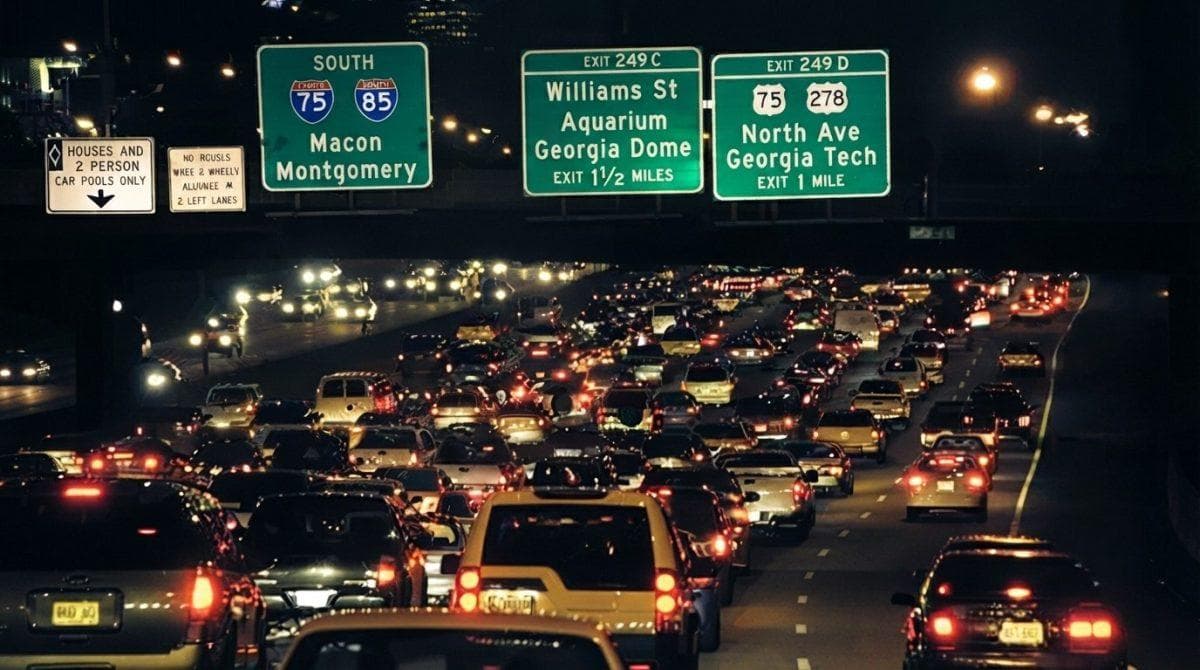
Worst driving conditions experience overwhelming tension behind the wheel while navigating chaotic municipal thoroughfares, and a recent study from Lemon Law Experts officially designates Atlanta, Georgia, as the most stressful driving city in the US, reaching a score of 99.40 out of 100.
-
Comprehensive traffic evaluations analyze commuter behavior metrics, highway congestion indices and psychological strain reports gathered from urban transit agencies nationwide.
-
Surprising findings reveal unexpected urban centers where driving friction hits maximum capacity, transforming daily commutes into grueling tests of patience.
Most stressful cities to drive shifts dramatically as Los Angeles loses its iconic crown to Atlanta, which seizes the title and positions itself as the new road nightmare according to Lemon Law Experts, transforming daily commutes into extreme challenges for the physical health of over 50% of motorists who experience severe fatigue before starting their engines.
Ver esta publicación en Instagram
Additionally, vehicular density and aggressive behavior on highways increase the urgency of redesigning transportation strategies to guarantee national stability, which is why various organizations evaluate the impact of dense traffic across 40 major US cities to identify the most congested urban areas, establishing that 90% of residents suffer physical symptoms of stress while commuting to their workplaces.
Uncovering most stressful cities to drive
-
Atlanta leads the ranking with a record score of 99.40/100, surpassing the former metropolitan leader.
-
Nashville occupies second place with 97.21 points, where nearly half of motorists report severe anxiety behind the wheel.
-
Philadelphia ranks among the most conflicted urban centers due to high vehicular density and constant delays.
-
San Antonio presents alarming levels of daily congestion that force route modifications.
-
Baltimore rounds out the top spots on the road tension ranking, reflecting accumulated physical wear.
Likewise, road conditions of daily commutes far exceed the tolerance thresholds of local drivers, forcing many citizens to dodge the most severe gridlocks across the nation’s most congested urban areas, while transportation authorities implement continuous evaluations to measure mental wear when facing complex environments daily.
Stress factors and urban mobility
-
Constant monitoring of vehicular density on major urban highways during peak national congestion hours.
-
Evaluation of motorist behavior through specialized surveys concerning temperament and road rage.
-
Registration of physical symptoms associated with daily stress, including jaw tension and elevated heart rate.
-
Analysis of citizen preference for longer alternative routes specifically to avoid severe traffic jams.
-
Study of the labor impact caused by prolonged commutes and accumulated fatigue among workers.
On the other hand, transportation specialists document that a significant percentage of the active population prefers performing heavy household chores rather than facing morning chaos and statistics confirm that accumulated pressure decisively influences career choices, causing numerous workers to leave their jobs due to exhaustion generated by adverse conditions.
Comparative analysis: Los Angeles loses its spot as new traffic map emerges
While Los Angeles finally leaves behind its traditional reign as the epicenter of traffic chaos, new metropolises like Atlanta, with an alarming score of 99.40 out of 100 and Nashville, ranking second with 97.21 points, emerge to take its place and head the country’s most critical zones.
This transformation in the conditions of major urban centers accelerates the physical deterioration of motorists amidst the constant increase in vehicular congestion and, as recent reports demonstrate, chronic stress demands priority attention from local administrations to optimize urban infrastructure and mitigate widespread anxiety, a structural challenge that deepens the reality of most stressful cities to drive.
