














Latinos hit the Met Gala, but did they really follow the dress code?
-
The 2026 Met Gala, under the theme “Fashion is Art,” gathered prominent figures with Hispanic roots on the red carpet at the Metropolitan Museum of Art in New York.
-
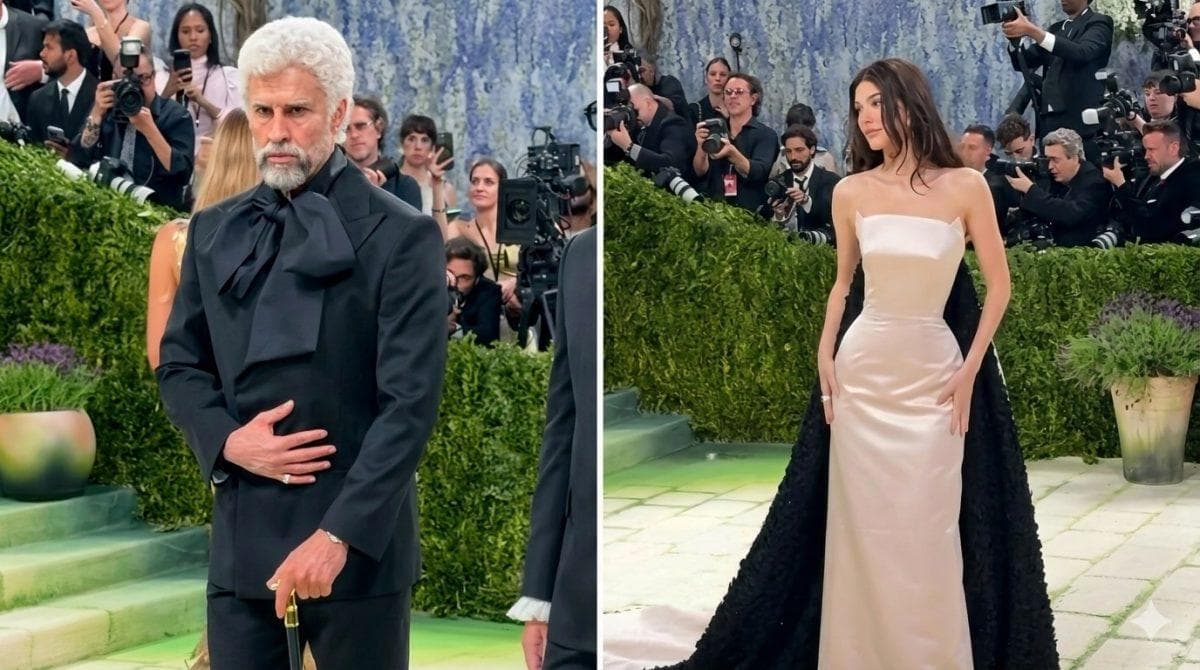
Bad Bunny established himself as one of the night’s biggest triumphs by challenging age standards with hyperrealistic prosthetic makeup that simulated the passage of time.
-
Models and actresses like Paloma Elsesser and Rachel Zegler stood out for their deep historical and artisanal references, easily fulfilling the Costume Institute’s proposal.
The appearance of Latino celebrities on the red carpet of the 2026 Met Gala made it clear that representation at the pinnacle of fashion continues to gain ground. This edition, inspired by the Costume Institute’s Costume Art exhibition, featured the “Fashion is Art” dress code, inviting attendees to transform their bodies into living canvases. While some took advantage of the theme’s creative freedom to create visual milestones, others preferred to stay within an aesthetic comfort zone.
Those who turned the body into a work of art
Bad Bunny: The genius of mortality
The Puerto Rican artist proved once again why he is an indisputable icon of this event. Although he wore a seemingly simple Zara suit, the real impact lay in impressive prosthetic makeup designed by Mike Marino that gave him an aged appearance. With this look, Bad Bunny directly addressed one of the exhibition’s subthemes: the marginalization of the aging body in an industry obsessed with youth. This conceptual genius met the theme 100%.
Ver esta publicación en Instagram
Paloma Elsesser: Visual poetry in patches
The model of Chilean roots wore one of the most artistic pieces of the night. Designed by Francesco Risso for the Bureau of Imagination project, her dress utilized patches from 30 vintage hand-painted suits decorated with embroidery from Milan. The result resembled a textured painting in motion, extending the artistic concept all the way down to her footwear.
Rachel Zegler: Historical drama on canvas
The actress of Colombian descent opted for a pristine white design featuring a bardot neckline and exposed corsetry, paired with a subtle, transparent blindfold over her eyes. This accessory made a direct reference to Paul Delaroche’s famous painting The Execution of Lady Jane Grey, achieving one of the evening’s most literal and sophisticated fusions of fashion and classical painting.
Ver esta publicación en Instagram
Conceptual proposals and personal devotion
Georgina Rodríguez: Faith and haute couture
In her second consecutive year attending, the model chose an aquamarine satin gown designed by Ludovic de Saint Sernin. The piece, inspired by the Virgin of Fátima, featured hand-embroidered religious phrases across the chest and a custom fine-jewelry rosary. Although the proposal evoked the theme of past editions (such as Heavenly Bodies in 2018), Georgina successfully justified her choice through the close historical relationship linking classical art with religious iconography.
Ver esta publicación en Instagram
Camila Mendes: Ethereal elegance
Mendes opted for a fitted brown design featuring a corset and sheer elements, topped with a classic tiara. Because the corset remains one of history’s most powerful tools to mold and sculpt the human body, her look adapted to the night’s concept with discretion and subtle elegance.
The safe-suit club
Despite the creative display of the event, figures like Maluma (in a sequined Tom Ford suit), Rauw Alejandro (in an eighties silhouette by Saint Laurent with understated silver accessories), and Camila Morrone (in a sober column dress by Tory Burch) offered flawless and sophisticated styling, but lacked the risk or deep artistic narrative that the demanding 2026 Met Gala dress code required.
Meanwhile, actors Marcello Hernandez and Danny Ramirez wore traditional tailoring that, while meeting gala standards, went unnoticed next to the creative outpouring of a night designed to break molds.
