

WATCH NOW
Watch on the app














Las Vegas “holly” sister city residents blindsided by arrival of a massive data center approval
-
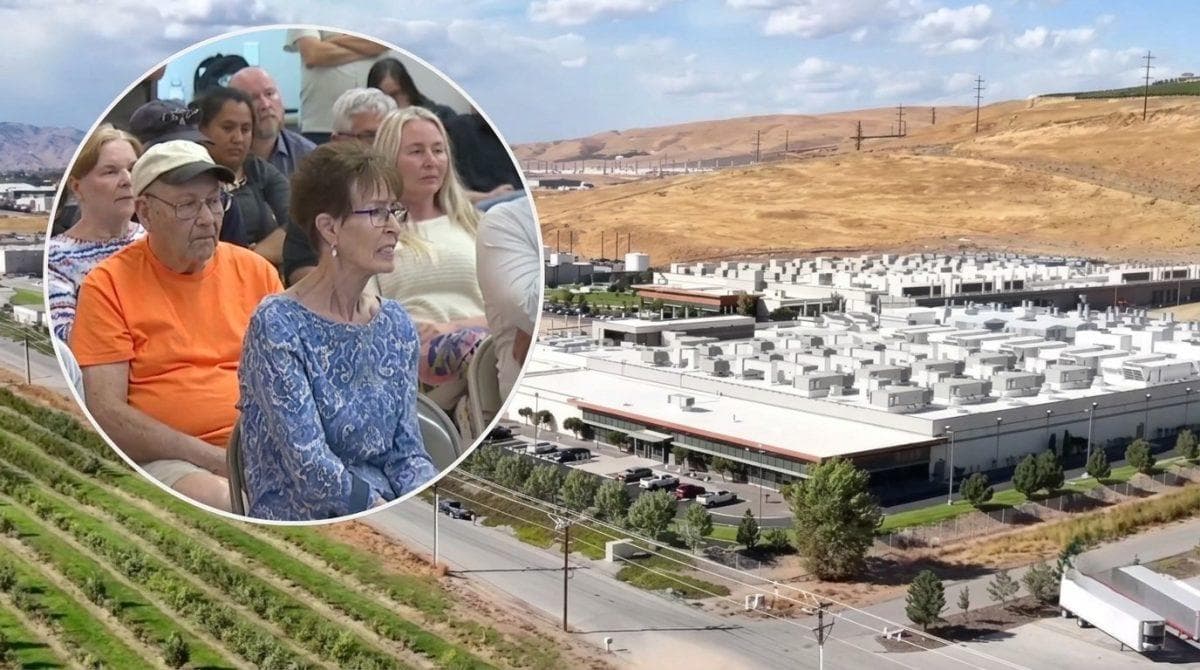
The data center approval has triggered a powerful wave of local rejection within the Boulder City community.
-
This tech infrastructure development is moving forward while completely ignoring established protocols for public consultation.
-
Local officials are acting swiftly to reverse the federal decision and reclaim control over municipal land use.
The data center approval has triggered a powerful wave of local rejection within the Boulder City community; meanwhile, this tech infrastructure development moves forward while ignoring established protocols for public consultation, prompting local officials to act swiftly to reverse the federal decision and reclaim control over municipal land use.
Data center approval remains the primary concern driving the recent pushback from Boulder City residents, who endured a blindsiding blow last week when federal authorities authorized a massive infrastructure project nearby; consequently, municipal representatives and citizens labeled the move an irregular maneuver that blocked public input, simultaneously sparking a unanimous vote by the City Council to appeal the tech infrastructure development, as local officials strive to protect regional land use and an economic impact reaching millions.
Impact of tech infrastructure development
Such tech infrastructure development requires critical levels of electricity, a move that threatens 2030 state clean energy goals by forcing reliance on traditional natural gas plants; furthermore, residents voiced their opposition on July 14, 2026, during a public meeting, highlighting concerns over noise pollution and constant heat emissions near residential areas, while experts warn about the negative impact on local property values, even as the city pushes for a rigorous review of permits already issued by federal agencies.
The intensive use of water resources presents another friction point, as the region already enforces strict prohibitions on evaporative cooling, yet tech infrastructure development facilities typically require higher electrical output to power alternative cooling systems; for their part, council members dismissed the federal decision as technically flawed, arguing that the original solar site design was never meant to support the operational demands of a large-scale server complex, while community groups maintain a constant watch over the site, documenting every irregular activity as City Attorney Brittany Walker prepares the documentation to substantiate the appeal in federal court, ensuring all local activity adheres to the environmental standards set by regional urban planning.
Ver esta publicación en Instagram
Options and measures of control for tech infrastructure development
-
Implementing a municipal moratorium: The City Council is currently evaluating a halt on any new digital infrastructure proposals while the state defines stricter technical regulations, mirroring the precedent established in Reno.
-
Public referendum in November: Voters will head to the polls this November to decide if server farms constitute an acceptable use of land within the Eldorado Valley municipal boundaries, representing a pivotal moment for direct democracy.
-
Revisions to zoning policies: Environmental experts are partnering with the city to craft policies that prioritize resource conservation and prevent outside entities from bypassing local controls through swift administrative amendments.
The future of local land management
City officials are working diligently to define the parameters that will regulate these types of investments, insisting that any future tech infrastructure development proposal must undergo an exhaustive review process that keeps the community as a key stakeholder in the urban design; the partnership between residents and local government proves that a shared vision for preservation remains possible, preventing blind development from sacrificing the city’s fundamental values.
The outcome of this management effort will set a significant benchmark for the rest of the Eldorado Valley, establishing fairer criteria for future requests; meanwhile, the developer, Townsite Solar 2, has signaled a willingness to explore collaborative pathways, leaving the door open for potential re-negotiations that include compensation for lost municipal revenue, a vital element in attempting to mend relations with neighbors affected by the recent tech infrastructure development and the controversial data center approval.
