

WATCH NOW
Watch on the app















Keys to identifying when night sweats stop being normal and become a warning sign
• Night sweats can be a normal bodily response, but when they appear intensely and persist for weeks, they may act as a warning sign that requires medical evaluation
• Sleep disorders, hormonal imbalances, infections and certain medications rank among the most common causes. Nevertheless, many people ignore the symptom due to embarrassment or because they underestimate it
• Identifying frequency, associated symptoms and recent health changes helps distinguish between a temporary environmental discomfort and a clinical indicator that requires professional attention
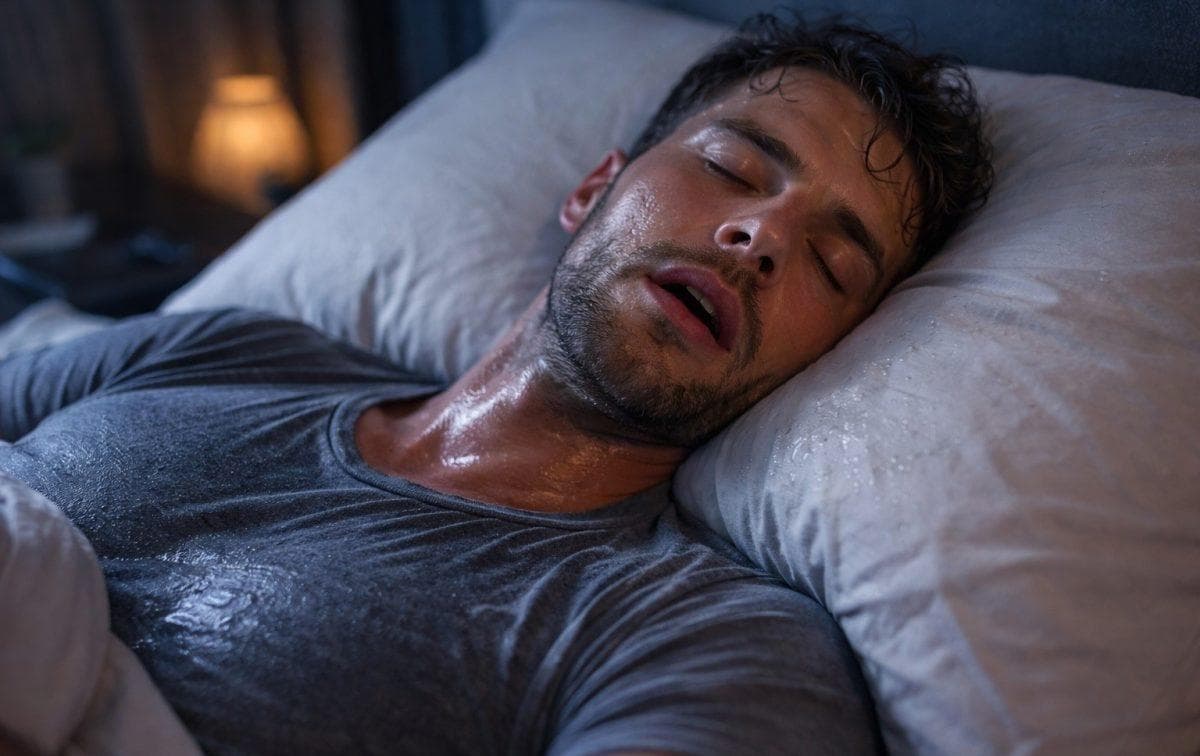
Waking up in the middle of the night with soaked pajamas is not only uncomfortable, it can also be unsettling. In principle, night sweats serve as the body’s natural way to regulate temperature. However, when they become persistent, intense and difficult to explain, they stop being a minor inconvenience and start acting as a medical signal worth investigating.
A recent Science Focus report warns that recurrent night sweats do more than disrupt sleep. In fact, they may indicate hormonal, neurological or infectious imbalances. Unfortunately, many people minimize the issue out of embarrassment or because they consider it insignificant. According to sleep researcher Linda Grosser from the University of South Australia, this phenomenon likely remains underreported precisely because people avoid seeking medical advice.
When are night sweats normal and when are they not?
Not every episode of nighttime sweating signals a health problem. For example, sleeping in a warm room, using synthetic bedding, drinking alcohol or eating spicy food can activate the body’s cooling system. The hypothalamus, often described as the brain’s thermostat regulates internal temperature and triggers sweating when needed.
However, experts cited by Science Focus agree on one critical point, if intense sweating appears suddenly and continues for at least two weeks without a clear cause, medical consultation becomes advisable. As Professor Adam Friedman of George Washington University explains, persistence transforms an uncomfortable symptom into a meaningful clinical clue.
Sleep disorders that trigger sweating
Among the most common causes is obstructive sleep apnea. This condition repeatedly interrupts breathing during the night. As a result, each episode releases stress hormones such as adrenaline, raises body temperature and triggers sweating. An Icelandic study referenced in the report found that individuals with sleep apnea are up to three times more likely to sweat while sleeping.
Additionally, neurological and sleep-related conditions such as chronic insomnia, restless legs syndrome and narcolepsy can activate the sympathetic nervous system, the same system responsible for the body’s fight-or-flight response. Consequently, the body increases heart rate and produces sweat as if reacting to danger.
Infections, inflammation and more serious signals
Tuberculosis remains the classic infection associated with night sweats, yet it is far from the only one. Any infectious or inflammatory process that elevates body temperature may trigger this symptom. In rarer cases, certain cancers include night sweats among their clinical signs.
That said, experts emphasize an essential detail, serious conditions rarely present with night sweats alone. They often appear alongside prolonged fever, significant fatigue or unexplained weight loss. Therefore, isolated sweating does not automatically indicate a severe diagnosis. However, when it combines with other physical changes, the body may be signaling the need for medical evaluation.
Hormones, medications and invisible changes
Hormonal fluctuations represent another frequent cause. During menopause, declining estrogen levels disrupt the body’s thermal regulation system and generate nighttime hot flashes. Notably, up to 10% of women enter menopause before age 45 and symptoms may begin years earlier.
In men, low testosterone, often linked to obesity, type 2 diabetes or hormone treatments, can also interfere with temperature regulation. Furthermore, common medications such as antidepressants, diabetes drugs and certain pain relievers list sweating as a potential side effect. Even nocturnal hypoglycemia can trigger sweating by activating stress hormones.
Simple adjustments that may help
Before assuming a complex medical condition, experts recommend optimizing the sleep environment. Sleep scientists suggest breathable bedding, natural materials such as linen or merino wool, and maintaining a bedroom temperature between 16 and 19°C (60-67°F). Temperature-regulating mattresses may also reduce heat accumulation.
Nevertheless, when symptoms persist or appear alongside other warning signs, medical consultation becomes essential rather than optional. Blood tests, hormonal evaluations or sleep studies can help identify the underlying cause.
Ultimately, night sweats are not always dangerous, but they always provide information. Listening to that signal early may make the difference between a temporary discomfort and a health issue the body has been trying to explain for weeks.
