

WATCH NOW
Watch on the app











Virginia’s invasive catfish is eating everything in sight so schools are putting it on the menu
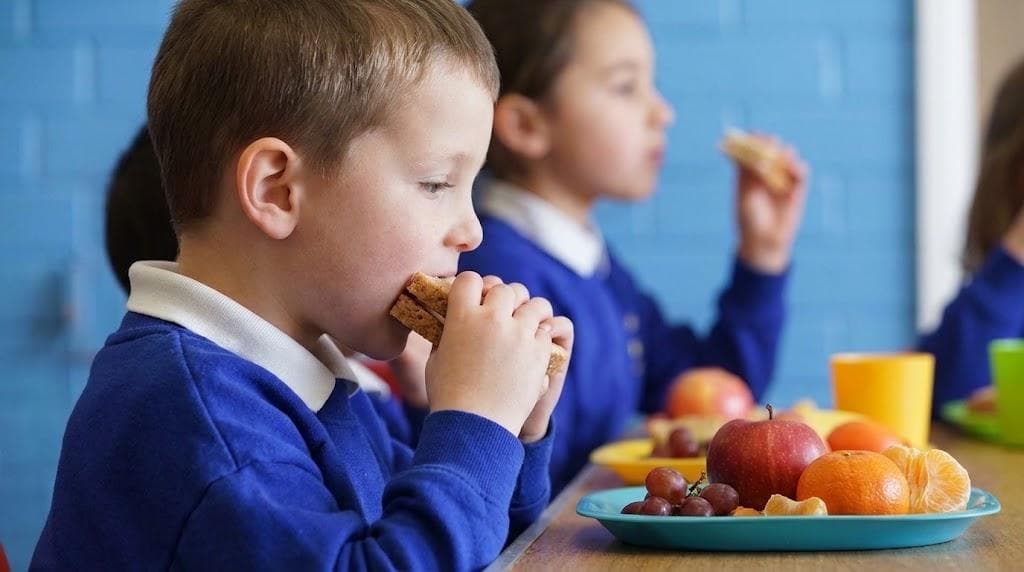
- Schools put on menu a ravenous predator across Maryland and Virginia to curb the rapid overpopulation of an invasive fish species.
-
This innovative initiative turns students into active predators of an invasive predator that threatens both the ecological balance and the $1M+ crab fishing industry of the Chesapeake Bay.
-
Backed by the USDA, a mild flavored white meat patty offers a sustainable culinary solution to an unprecedented environmental crisis.
The invasive Virginia catfish, commonly known as the blue catfish, is eating everything in sight across the Chesapeake Bay, consuming blue crabs and native fish species at an alarming rate while threatening the entire aquatic ecosystem; for this reason, public schools are putting it on the menu as a creative solution, introducing a nutritious catfish patty that turns this environmental threat into a schools put on menu dish for thousands of students.
The initiative developed in Caroline County on the Eastern Shore by food service supervisor Beth Brewster transforms an aggressive aquatic predator into an approved USDA meal, creating an unexpected bridge between environmental conservation and school nutrition; furthermore, commercial watermen in Maryland like 4th generation fisherman Rocky Rice are redirecting their daily harvest to supply state processors, ensuring that every school lunch served actively helps control the destructive expansion of this nonnative species.
Invasive Virginia catfish dominates local aquatic ecosystems
Wildlife officials originally introduced this Midwest freshwater species to Virginia rivers during the 1970s for recreational fishing under the assumption that brackish waters would confine them, but historic flooding in 2018 pushed huge volumes of fresh water into the bay and allowed the population to colonize new habitats rapidly; consequently, these massive fish often exceed 100 lbs while devouring juvenile blue crabs, flounder and menhaden across the 300 km estuary home to more than 3,6K species, leaving human harvest as the primary ecological control method because Branson Williams, director of the Invasive Species Program at the Maryland Department of Natural Resources, confirmed that the species easily tolerates varying salinity levels.
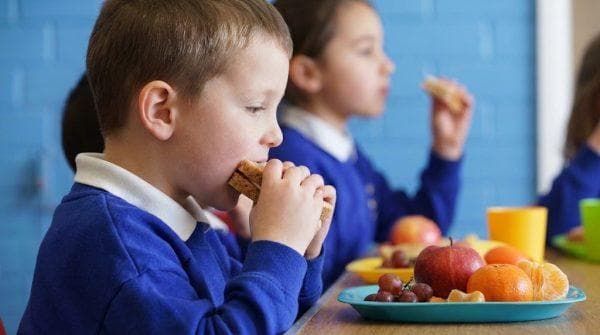
To tackle this growing ecological threat, Maryland Department of Agriculture program manager Karen Fedor praised Brewster as a creative thinker and connected her with the proposal to design child friendly recipes meeting federal dietary standards, surviving initial delays caused by the pandemic before joining forces with Bay2Tray, a California based program operated by Real Good Fish nutrition director Jenn Lovewell; therefore, processing facilities across the region now prepare mild white meat patties inspired by traditional crab cakes, which recently reached university cafeterias as far as Texas while students like 5th grader Raelynn Truitt at Preston Elementary School near the Choptank River enthusiastically compare the flavor to a delicious main school lunch option dish.
Main school lunch option serves as an effective conservation tool
On the lower Potomac River, waterman Rocky Rice operates hoop nets 3 days per week to bring in an average of 1.2K to 1.5K lbs of catch per trip, shifting his main livelihood from traditional crab harvesting to blue catfish due to year round fishing permissions without size limits; however, a major logistics bottleneck persists because blue catfish remains the only wild caught fish in the United States requiring mandatory USDA inspection, a regulatory rule originally designed to protect domestic markets against cheap imports, which limits processing to only 4 certified plants in Maryland due to high inspector scheduling costs and time demands.
Similar ecological battles occur nationwide as Kentucky and Illinois promote human consumption of invasive Asian carp in the Great Lakes, while Maine and Washington combat green crab invasions along both coasts using intensive fishing strategies; meanwhile, academic research from the University of Maryland and the Virginia Institute of Marine Science confirms that standard catfish measuring between 15 and 36 in maintain contaminants well below FDA safety thresholds, though health officials still advise cooks to trim belly fat from larger, older specimens before presenting this main school lunch option to diners.
-
Food service teams prepare the “catty patty” as a main school lunch option using pure white invasive Virginia catfish meat processed under strict United States Department of Agriculture (USDA) inspection guidelines, providing a high protein dish without any fishy aftertaste.
-
The Bay2Tray distribution program connects regional watermen with educational institutions, supplying whole grain breaded blue catfish portions to public schools and universities across multiple states.
-
Academic research conducted by the University of Maryland and the Virginia Institute of Marine Science (VIMS) confirms that standard sized catfish maintain PCB and mercury levels well below safety thresholds established by the Food and Drug Administration (FDA).
Ver esta publicación en Instagram
Long term strategies to control the nonnative species
Environmental researchers and school authorities like Beth Brewster emphasize that complete eradication of this established invasive predator remains biologically impossible because populations require harvesting millions of lbs annually just to stabilize current numbers; nevertheless, maintaining heavy annual harvest yields through high volume institutional sales represents the most effective long term defense for preserving native aquatic biodiversity, safeguarding local fishing economies and establishing this catch as a permanent main school lunch option while keeping the invasive Virginia catfish under control.
