

WATCH NOW
Watch on the app












Hurricane season could target these states with greatest risk this year
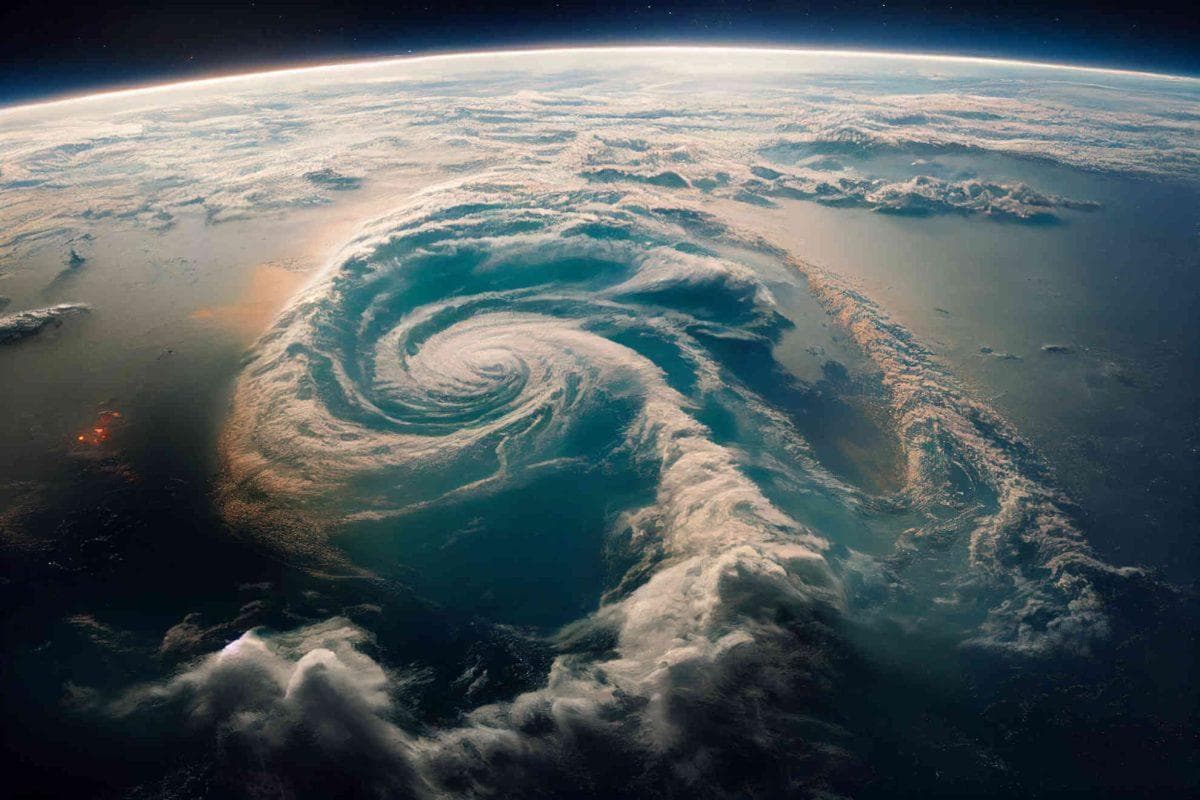
- The hurricane season keeps coastal areas of the country on high alert even though experts anticipate lower than usual cyclonic activity.
- Official agencies like FEMA place Florida and Texas among territories facing the greatest danger due to high geographic and demographic exposure.
- Experts insist severity does not depend on the number of cyclones but rather on the direct impact a single storm can generate.
The current hurricane season triggered safety protocols across various regions of United States territory where climate authorities insist danger remains latent despite initial forecasts. Consequently, during this critical period, specialized agencies like NOAA and FEMA maintain strict surveillance over states bearing highest historical risk facing potential formation of any destructive storm.
The meteorological alert and territories most exposed to climate danger
Likewise, according to official expected loss indicators, Florida heads the vulnerability list thanks to its dual geographic exposure between the Atlantic Ocean and the Gulf of Mexico, noticeably increasing probability of receiving severe impacts. Within this context, each tropical storm represents a major challenge for urban infrastructure, strategic ports and economic stability of millions of residents inhabiting the country’s most vulnerable coastal zones.

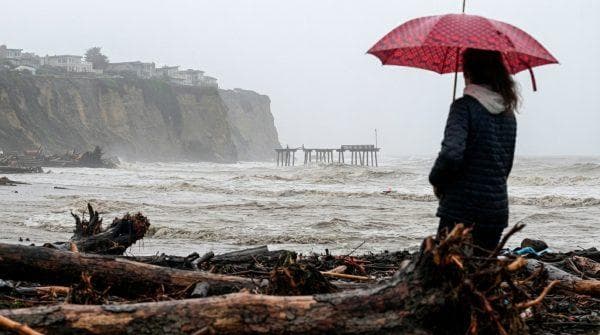
Experts remember historical disasters like hurricanes Katrina, Harvey, or Ian evidenced how a single storm can completely paralyze a region
Geographic and economic factors elevating vulnerability along the North American coast
Similarly, detailed analysis produced by emergency institutions demonstrates hurricane season dangerousness measures not solely by the quantity of formed systems, but by intensity and final path of each storm upon landfall. Thus states like Texas, Louisiana, Alabama, Mississippi and the Carolinas share high exposure due to extensive coastline stretches and dense urban population concentrations confronting severe flooding and storm surges year after year.
Furthermore, experts remember historical disasters like hurricanes Katrina, Harvey or Ian evidenced how a single storm can completely paralyze a region and generate incalculable million-dollar losses despite annual forecasts predicting a moderate hurricane season. For this reason, governmental agencies emphasize the importance maintaining active family emergency plans, reviewing insurance coverages, and strictly heeding official directions protecting community lives across most exposed states.
Ver esta publicación en Instagram
The landscape of scientific forecasts and vital importance of preventive preparation
Although preliminary NOAA reports project a relatively moderate hurricane season featuring an estimated range between eight and fourteen named storms, specialists constantly remind favorable statistics never eliminate nature’s element of surprise. In addition, neutral conditions and El Niño presence usually limit system consolidation across the Atlantic, yet accumulated experience across southern United States states confirms a single extreme event suffices to alter millions of people’s routines.
@luccy2drawing Hurricane season is here and these states already know the drill 😬🌀 should yours be nervous? 👇 #hurricane #hurricaneseason #statesranked #usmap #usa #weather #fyp ♬ original sound – DisasterState
Facing this scenario, FEMA and the Coast Guard insist citizens must review evacuation routes well in advance, secure basic supplies and stay informed via official channels regarding storm season. On the other hand, meteorological surveillance will remain active uninterrupted until next November thirty, remembering early prevention continues serving as the most effective tool mitigating damages from any unforeseen storm across states and coasts.
Ver esta publicación en Instagram
