

WATCH NOW
Watch on the app









Houston is officially one of the worst U.S. cities for hanging out outdoors
-
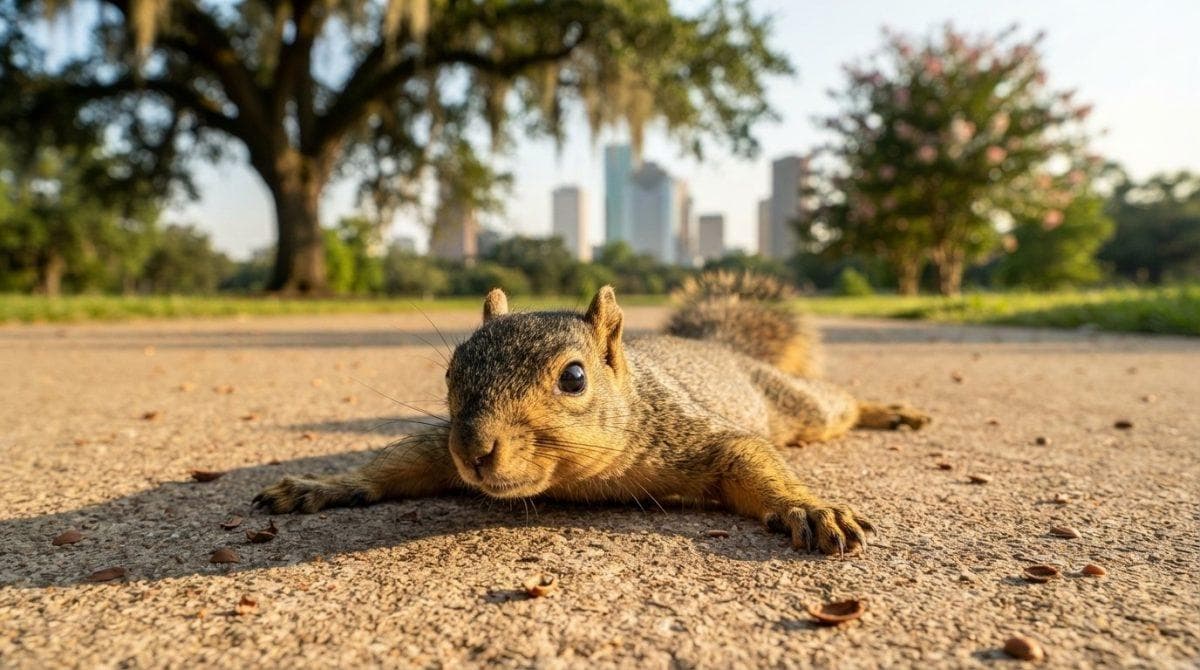
The latest outdoor lifestyle ranking published by Maxwell Social places the Texas city in 43rd place nationwide due to a shortage of available public patios and breweries.
-
The research reveals that five metropolises in the state rank among the ten worst in the country for outdoor socialization according to the analyzed data.
-
Experts point out that the lack of recreational spaces contrasts sharply with the high interest of residents in enjoying time away from home.
Houston worst outdoor city heads the metropolitan debate in the American South following the revelation of a study by Maxwell Social exposing severe recreational deficiencies affecting millions of citizens; thus, the firm places the metropolis at the center of national controversy by highlighting the scarcity of public spaces, setting a critical precedent for urban development.
Likewise, the research details that the city possesses a large accumulated demand from local inhabitants, but current infrastructure severely limits public leisure options; consequently, municipal authorities and urban analysts discuss the urgent need to transform commercial spaces to meet the growing demands of the community.
The realities behind the Houston worst outdoor city
Meanwhile, data gathered by the firm shows that the locality holds 44th place in rooftop terraces, reflecting a significant structural deficiency compared to other regions of the country; nevertheless, public interest in finding leisure spots remains high, landing at 19th nationwide according to registered digital searches. Furthermore, the analysts who compiled the outdoor lifestyle ranking emphasize that nearly one-third of surveyed adults state that better outdoor spaces would encourage them to socialize more frequently, thereby boosting local economic dynamism.
On the other hand, urban planning experts explain that the lack of pedestrian-oriented planning limits recreational opportunities in the most populous urban centers of Texas, aligning with official population metrics published by the Census Bureau; similarly, study results reveal a clear contradiction against previous winter measurements that cataloged the region as a favorable destination for walking due to mild temperatures. Consequently, the lack of adequate places to sit and share with friends sharply contrasts with the favorable weather experienced across the area during much of the year.
Infrastructure challenges in major Texas metropolises
-
The national evaluation analyzed the density of patios and breweries per 100K residents across major metropolises nationwide.
-
Data from Maxwell Social confirms that Dallas, El Paso, Fort Worth, and San Antonio accompany the region in the lowest rankings.
-
The survey reveals that a large percentage of residents would increase restaurant visits if more recreational areas existed.
In addition, the shortage of social spaces directly impacts the commercial performance of the hospitality and entertainment industry across the southern region; however, local business operators evaluate new strategies to adapt patios and interior spaces complying with current regulations. Therefore, transforming urban infrastructure requires close collaboration between the private sector and municipal governments to overcome the deficiencies highlighted in the study.
Additionally, high demand for outdoor locations from younger generations pressures business owners to redesign commercial establishments; elsewhere, urban experts stress that the outdoor lifestyle ranking report details how historical planning neglect hinders the rapid delivery of green zones and social areas along bustling commercial corridors. Hence, overcoming these structural challenges will determine the region’s competitiveness against other leading destinations across the country.
Economic impact on the local hospitality sector
Meanwhile, deficient recreational infrastructure generates a considerable financial impact on bars and restaurants relying on customer influx attracted by open-air concepts; nevertheless, growing consumer pressure forces business owners to rethink their operating models to capture a higher volume of visitors. On another front, economic analysts indicate that private investment in patio and terrace remodeling could revitalize entire commercial sectors in upcoming years.
Ultimately, the consultancy behind the outdoor lifestyle ranking underlines that developing appealing public spaces not only improves citizen quality of life but also boosts the profitability of hospitality ventures, as verified by economic reports from the U.S. Bureau of Labor Statistics; for this reason, architectural adaptation becomes a strategic priority for commercial operators across Houston worst outdoor city.
