

WATCH NOW
Watch on the app















Florida’s next minimum wage increase is almost here and your paycheck could feel it
-
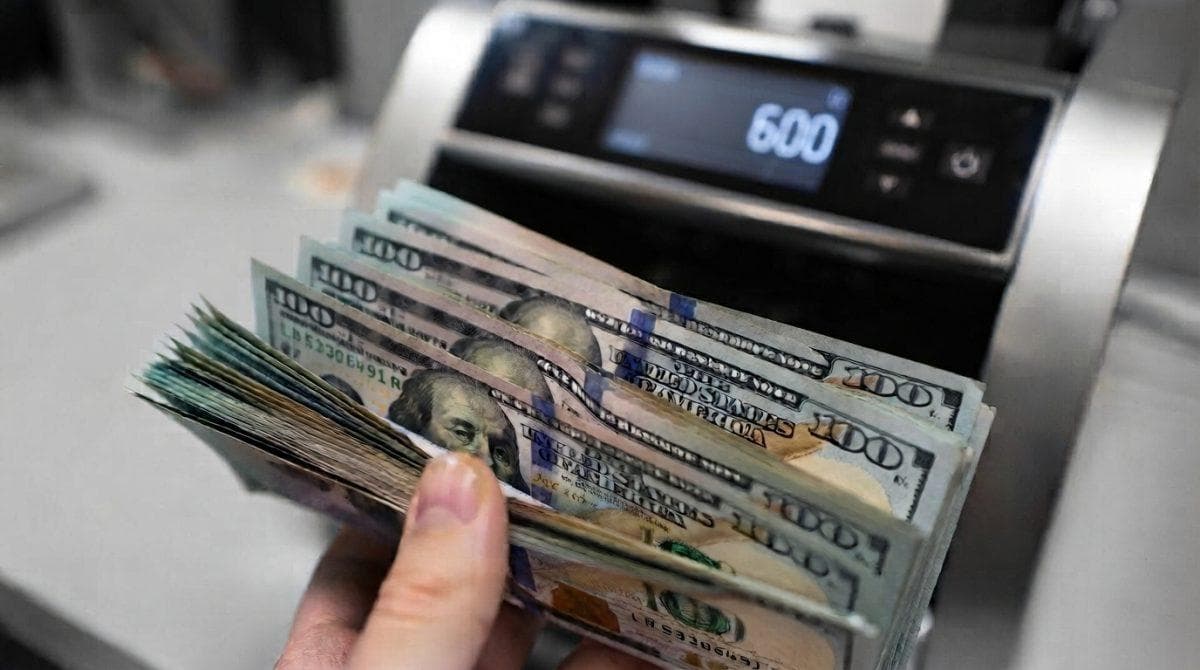
Florida state wage increase brings a mandatory pay adjustment for workers across local communities starting September 30, 2026.
-
The final scheduled benchmark under Constitutional Amendment 2 establishes a statewide baseline of $15.00 per hour for general employees.
-
Employers must update payroll calculations immediately while ensuring proper compliance regarding tip credits, official postings and direct wage distributions.
State authorities across Florida are officially implementing a major economic adjustment as a new compensation standard takes effect on September 30, 2026 and while some workers confuse this deadline with the start of the calendar year, the effective date remains strictly this September 30 rather than January 1, 2027, meaning hours worked from that day onward must be liquidated at the updated rate while thousands of employers throughout Miami, Orlando, Tampa, and surrounding municipalities rush to update payroll systems to comply with legal mandates, allowing local employees to prepare for higher compensation on their upcoming paystubs as this mandatory shift elevates the previous $14.00 per hour rate in force until September 29 by a full dollar to conclude a multi-year legislative roadmap established by voters.
Regulatory compliance divisions within the Florida Department of Economic Opportunity emphasize that businesses failing to adjust hourly rates face severe administrative penalties and human resources departments must carefully review wage structures for tipped personnel to guarantee that base pay combined with qualifying gratuities reaches the newly mandated threshold, keeping in mind that state regulations strictly require employers to display the official minimum wage notice in a visible location for all staff, thereby empowering workers seeking clarity regarding their compensation to verify upcoming adjustments by reviewing specific paycheck details, ensuring proper classification under current labor regulations, and monitoring direct deposits as Florida minimum wage standards officially reshape the regional economy.
How to verify your upcoming paycheck under the new Florida minimum wage
-
Review hourly pay rates on electronic or printed paystubs issued for work performed on or after September 30, 2026, to confirm that general non-exempt positions reflect at least $15.00 per hour.
-
Examine direct employer contributions for tipped positions to ensure base pay equals the required minimum of $11.98 per hour before factoring in daily gratuities.
-
Calculate total hourly earnings by adding reported tip credits of up to $3.02 per hour to verify that total compensation reaches the mandatory $15.00 statutory floor.
-
Inspect mandatory workplace compliance posters displayed in staff breakrooms or administrative offices to confirm that official state wage notices display the updated figures.
Workers navigating these administrative changes consult human resources representatives frequently or review official state resources published by economic oversight divisions to understand their exact rights, whereas businesses across the hospitality, retail, and service sectors audit payroll software actively to prevent calculation errors that could trigger formal labor grievances, ensuring that maintaining accurate records remains a top priority for business owners while employees benefit from proactively monitoring their earnings statements to guarantee complete alignment with current statutory requirements, allowing the implementation of the state wage increase to proceed smoothly.
Understanding the final phase of Constitutional Amendment 2
Constitutional Amendment 2, approved by voters in November 2020, established a gradual yearly increase of $1.00 each September 30 to elevate baseline earnings from $10.00 in 2021 toward the ultimate $15.00 benchmark, leading directly into the provision where starting in 2027 the state rate will stop increasing automatically by a dollar annually and transition instead to annual cost-of-living adjustments tied directly to inflation indicators and although this upcoming milestone represents the final scheduled increase ordered under this structured timeline designed to give businesses adequate time to absorb rising labor expenses, numerous small business owners express ongoing concern regarding operational overhead in high-cost metropolitan areas like Miami-Dade and Orange counties, ensuring that every state wage increase milestone meets strict regulatory compliance across the region.
Beyond standard hourly roles, the legislative framework establishes strict parameters for tipped occupations, allowing employers to apply a maximum tip credit of $3.02 per hour while requiring employers to cover any shortfall if employee gratuities fail to reach the statutory minimum of $15.00 per hour, such that if a server receives $11.98 per hour from their employer and only obtains $1.00 in tips during an hour of work to total $12.98, the employer is obligated to add $2.02 extra to guarantee the established minimum total, remembering that the designated $15.00 represents a state salary floor rather than a strict maximum cap, meaning employers can pay more or collective bargaining agreements can establish better conditions, thereby prompting legal advocates to urge workers to document their hours meticulously and report any discrepancies to management immediately to ensure that voter-approved protections support local families across the state.
Ver esta publicación en Instagram
Operational analysis regarding labor market evolution
Regulatory changes taking effect this September 30, 2026, span a wide variety of private industries throughout the state territory, demanding that companies adjust compensation charts and maintain transparent records to prevent penalties from labor authorities, thereby protecting both general trade workers and operational staff who depend partially on economic gratuities within their regular positions, while economic analysts track every new state wage increase to evaluate regional growth.
Diverse productive sectors operating across Florida counties comply strictly with this general standard, reflecting institutional commitment to improving the purchasing power of the local workforce without unjustified exceptions, which drives administrative oversight to intensify during transition months and guarantees that every employer adheres to the newly established salary floor, shaping local commerce well into future fiscal cycles.
Economic sectors reached by the wage measure
-
Retail trade and convenience stores located across urban centers.
-
Gastronomic establishments and restaurants for non-tipped positions.
-
Hotels, resorts, and lodging service providers.
-
Cleaning, maintenance, and personal care companies.
-
Construction firms and diverse private business operations.
Local economic stability and robust labor compliance remain paramount as businesses adapt their operational structures to embrace the recent state wage increase alongside the ongoing implementation of the Florida minimum wage.
Ver esta publicación en Instagram
