

WATCH NOW
Watch on the app





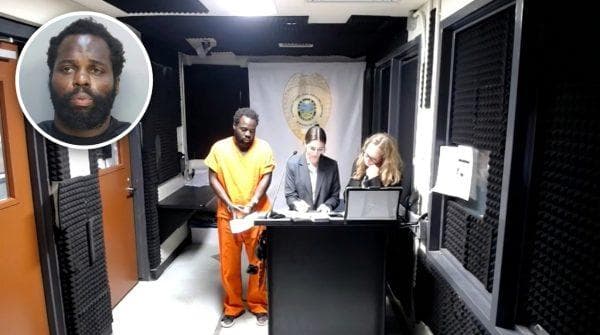






Florida man turned fake patients into a lucrative business until federal investigators caught on
-
Fraudulent clients were exploited by a Florida man who turned fake patients into a lucrative oxycodone business until federal investigators caught on.
-
Law enforcement dismantled a criminal network that diverted over 87K prescription opioid pills onto South Florida streets.
-
Federal prosecutors secured guilty pleas from recruiters, doctors and pharmacy owners involved in the illegal operation.
A Florida man turned fake patients into a lucrative oxycodone business until federal investigators caught on, leading to a guilty plea in Miami federal court. According to official court records from the U.S. Department of Justice, a 49-year-old admitted to his central role in a major drug trafficking conspiracy that illegally distributed 3,735 30 mg oxycodone pills. The 49-year-old faces up to 20 years in federal prison and fines reaching $1M after pleading guilty before U.S. Magistrate Judge Ellen F. D’Angelo.
Following an extensive joint investigation by the Drug Enforcement Administration, federal agents uncovered an illicit network operating between February 2020 and August 2024. The ring paid individuals to obtain medically unnecessary prescriptions, which members then filled at a Broward County pharmacy before reselling the high potency opioids on the street. Prosecutors connected the recruiter directly to a broader conspiracy involving more than 87K oxycodone tablets across South Florida, though his written plea agreement includes provisions that could significantly reduce his ultimate sentence.
Fake patients and illegal prescription distribution networks
Fraudulent clients provided paper and electronic prescriptions issued under their names without any valid clinical need, while the man functioned as the primary patient recruiter who organized the street level operation. He systematically coordinated the collection of the pills directly from the pharmacy counter without having any family relationship or legitimate reason to retrieve them. The recruiter compensated participants through Zelle after securing the high potency inventory.
Parallel to these street level operations, court filings revealed that a DEA-licensed practitioner issued assembly line prescriptions with identical dosages and quantities. Federal prosecutors highlighted that medical staff generated these orders outside the usual scope of professional practice, allowing illicit networks to exploit medical channels; court documents do not clarify whether the practitioner faces formal criminal charges.
Oxycodone is an opioid medication with pain relieving, anti anxiety, and sedative effects, used to relieve acute or chronic pain, whether moderate or severe, when other medications have not been able to control the pain.
Fraudulent clients exploitation and healthcare system safeguards
Fraudulent clients relied heavily on a pharmacy owner, who played a pivotal role by filling mass orders for fake patients at Striderite Pharmacy despite obvious red flags and receiving above-market cash payments. A federal jury previously convicted the owner earlier this year for illegally dispensing over 300K 30 mg oxycodone pills while maintaining a confidential recruitment list inside the pharmacy to service the illicit orders.
-
Zoning and prescription tracking: Fraudulent clients were tracked by federal agents through electronic prescriptions to dismantle an enterprise responsible for diverting 87K tablets.
-
Pharmacy enforcement actions: Fake patients were serviced by Yusuf despite clear red flags, leading prosecutors to secure a decisive conviction against the owner.
-
Medical provider oversight: Obtained unauthorized orders from corrupt practitioners who generated fake prescriptions for illegal street resale.
Looking ahead, federal law enforcement agencies will maintain rigorous surveillance over independent medical centers and regional pharmacies to prevent fake patients from compromising public health networks.
