

WATCH NOW
Watch on the app




Día de Muertos and Halloween reflect two cultures with very different ways of honoring the dead
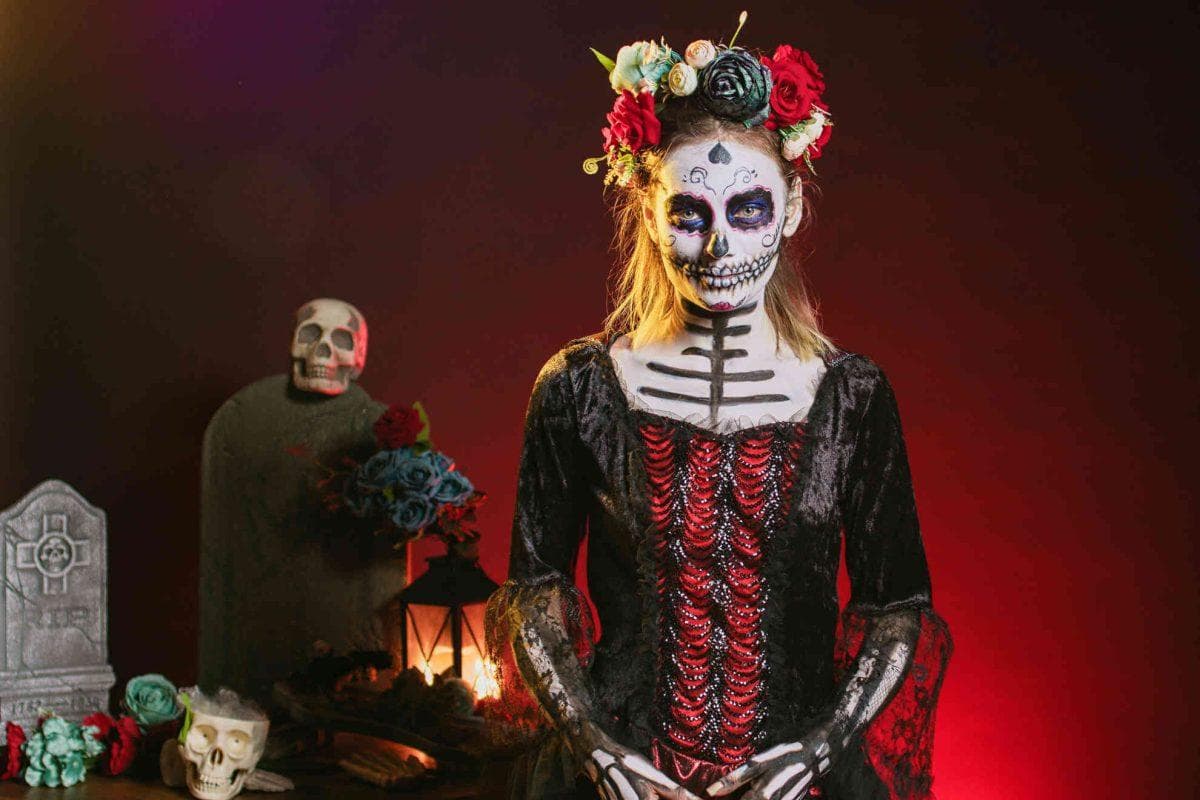
- The origins of Día de Muertos trace back to Mexico’s pre-Hispanic traditions, whereas Halloween originated in another culture through the Celtic festival of Samhain.
- Altars in homes seek to welcome the souls of departed loved ones with food and flowers in an emotional, respectful family reunion.
- Pop culture across The United States transformed ancient protective bonfires into a global holiday of costumes, candy and fun.
Pre-Hispanic roots and the spiritual meaning of family memory
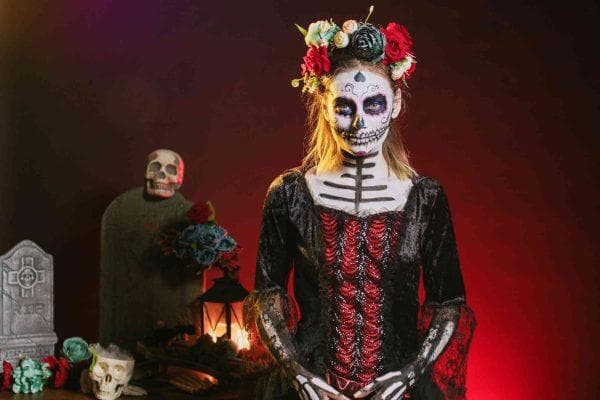
To explain the fundamental differences separating Mexican spirituality from Anglo-Saxon customs and traditions, Día de Muertos represents a sacred ritual deeply rooted in Mexico’s history and culture where families prepare colorful altars in their homes to welcome the spirits of their loved ones. In this sense, the worldview of native peoples like the Mexicas, Mixtecs, and Zapotecs conceived death not as an absolute end, but as a journey to Mictlán requiring living relatives to guide souls through altars filled with photographs, traditional dishes, marigold flowers and meaningful objects belonging to the deceased.
In this manner, following the blending of beliefs sparked by the Christian calendar during the colonial era, the Latino community consolidated November 1 to remember departed children and November 2 to honor adults, creating an indestructible active bridge preserving the memory of those who left the earthly world, though experts emphasize that this differs from Halloween, which originates instead from a Celtic holiday.
The historical journey of Samhain to becoming the great costume and candy festival
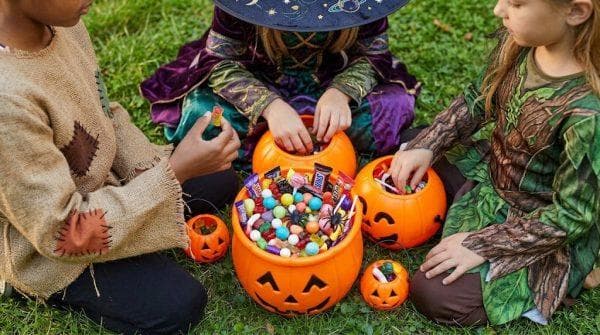
Demonstrating a completely distinct historical development born over three thousand years ago in Europe, the celebration known today as Halloween finds its true origins in the Celtic festival of Samhain, a sacred date marking the end of harvest season and the onset of winter in a cycle where the boundary between the living and the dead blurred. Back then, as part of their traditions and culture, villagers lit massive bonfires and wore grotesque masks to confuse evil spirits, an ancient practice that evolved in England as All Hallows’ Eve and landed in The United States during the 19th century through massive waves of Irish immigrants. Therefore, while Día de Muertos, Mexico, and the Latino community prioritize an intimate reunion with ancestors, the North American celebration gradually transformed throughout the 20th century into a massive tradition featuring carved pumpkins, themed parties, and neighborhood trick-or-treating.
Ver esta publicación en Instagram
Modern cultural clash and the coexistence of both traditions across the continent
On the other hand, proving that cultural exchange between neighboring nations enriches festivities without losing identity, the influence of cinema and mass media led more people to incorporate elements of both customs and traditions into their autumn celebrations without neglecting the sacred value and spirituality of Día de Muertos. While children in Mexico take to the streets asking for calaverita by pairing costumes with traditional sugar skulls, the large presence of Hispanics and the Latino community encouraged thousands of schools and community spaces across various locations in The United States to set up monumental altars to spread the true meaning of the tradition.
Ver esta publicación en Instagram
In any case, understanding that one holiday embraces family memory with love while the other explores mystery through entertainment allows society to enjoy two fascinating visions of life and the afterlife without losing the essence of each tradition, as both Día de Muertos and Halloween represent vibrant expressions of culture and traditions.
Home symbolism and traditional elements
- Meaning behind the altar of the dead: Families across the Latino community, especially in Mexico, place food, drinks, photos and candles to honor the annual visit of loved ones.
- Protection through masks and costumes: For their part, Halloween customs and traditions grew out of a desire to ward off or confuse spirits during Samhain night.
- Distinct dates observed in November: Furthermore, during Día de Muertos, the first day of the month focuses on remembering children while the following day honors departed adults.
