

WATCH NOW
Watch on the app














California’s El Niño emergency puts coastal communities on alert: Which areas are at risk?
-
Severe storm threat triggers statewide emergency measures across coastal zones as regional agencies mobilize resources to combat unprecedented weather patterns.
-
Governor Gavin Newsom proclaims a state of emergency to accelerate community protection and deploy rapid mobilization resources.
-
State agencies monitor severe weather developments that increase potential hazards and place vulnerable coastal neighborhoods at serious risk.
California El Niño emergency prompts an immediate statewide mobilization as Governor Gavin Newsom proclaims a state of emergency to deploy vital resources ahead of winter storms, while public agencies coordinate preventive measures across vulnerable regions to mitigate the severe storm threat, empowering local teams to secure neighborhoods against historic weather challenges.
State leaders direct departments to clear drainage systems, position emergency supplies and ready support units while experts warn of unusual weather patterns, enabling the administration to streamline administrative protocols and guarantee rapid resource allocation to protect every resident from impending meteorological extremes.
California El Niño emergency and changing weather
Ocean temperatures experience significant shifts that alter global weather currents and deliver heavy rainfall to western coastal zones exposed to the severe storm threat, while environmental experts confirm that current storms operate with heightened intensity due to changing global climate conditions.
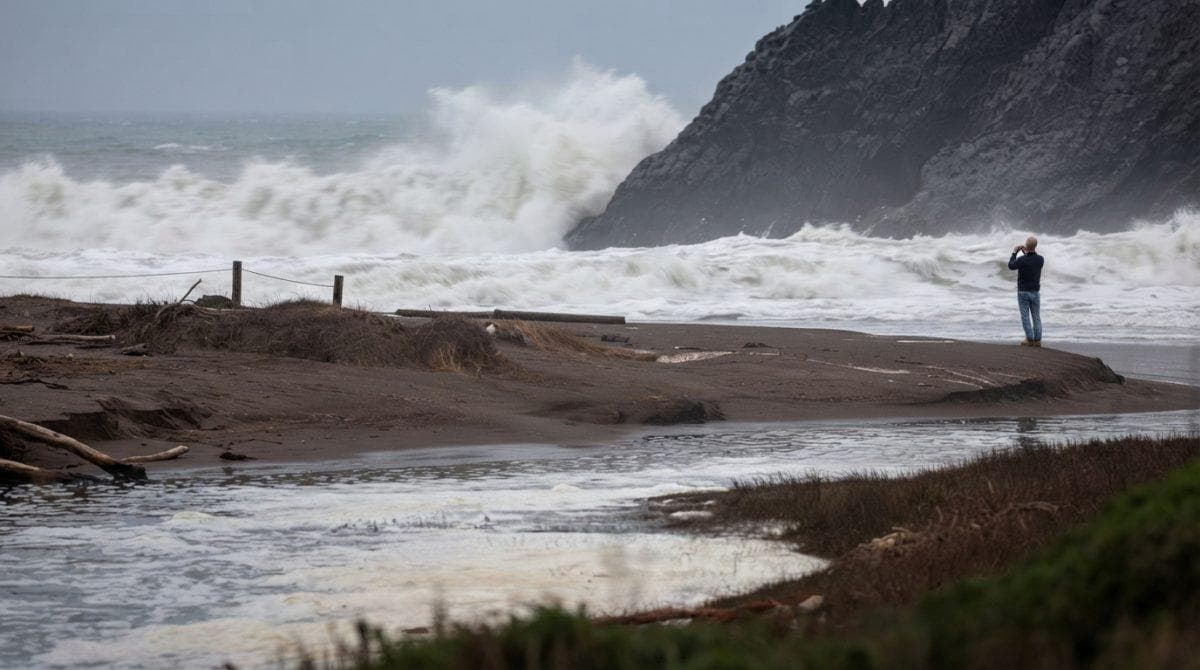
Meteorological institutions track developing weather patterns that threaten regional stability, whereas federal forecasters at NOAA indicate an extremely high probability of powerful winter storms reaching historic impact levels this season, compounded by rising sea levels and strong coastal waves lashing the shoreline, prompting local agencies to coordinate monitoring protocols across multiple counties.
Shifting weather tracks load the atmosphere with heavy moisture, whereas historical data demonstrates that previous winter seasons produced widespread property damage and coastal erosion, driving emergency directors to analyze past rainfall patterns and enabling Governor Newsom to proclaim additional states of emergency supporting recovery in Glenn, Humboldt, Kern, Mendocino and Santa Barbara counties.
Vulnerable regions and high risk zones across California
State leaders and emergency management teams maintain heightened vigilance across western coastal zones directly exposed to severe storm impacts, while specific administrative declarations provide targeted recovery support for Glenn, Humboldt, Kern, Mendocino, and Santa Barbara counties. Local authorities also prioritize neighborhoods situated downhill from recent wildfire burn areas, where unstable terrain significantly increases the risk of mudslides and flooding during extreme winter weather events.
Emergency response protocols and community coordination
-
Emergency management commissions establish rapid deployment protocols for regional response teams, ensuring coordinated operational readiness during the severe storm threat.
-
Cal OES Director Caroline Thomas Jacobs highlights that advanced planning enables resource coordination before severe weather impacts occur.
-
Transportation authorities organize traffic control teams, road closures and the deployment of flood-fighting equipment along the most vulnerable corridors.
-
Environmental protection boards accelerate permit approvals for municipal prevention projects, reducing administrative delays on critical public works.
-
Public safety administrators distribute multilingual communication guidelines regarding evacuation alerts and power outages to reach thousands of residents.
-
Insurance oversight committees monitor claims processing standards to help families suffering material damage from extreme events.
Severe storm threat in California resident preparation
-
Local residents clear gutters and drainage systems while carefully evaluating whether their homes lie in hazard zones or downhill from recent wildfire burn areas, allowing municipal authorities to distribute sandbags effectively.
-
Community groups organize detailed neighborhood workshops on evacuation procedures ahead of the severe storm threat, assisting families in assembling essential emergency supply kits that include provisions for pets.
-
Public utility companies inspect electrical grids and trim hazardous tree branches to prevent widespread blackouts, empowering educational institutions to update their safety protocols.
-
Drivers exercise extreme caution during heavy rainfall events by following road closure directives, compelling rescue teams to enforce the strict rule against driving through flooded roads.
-
Medical clinics establish contingency plans to maintain healthcare access during prolonged periods of isolation, inspiring regional networks to consolidate absolute resilience.
Proactive leaders deploy state assets and unified community networks forge an unbreakable shield, securing every neighborhood against the looming fury of California El Niño emergency.
