

WATCH NOW
Watch on the app














California beach bacteria warning keeps swimmers out of these popular beaches
-
Ocean water contamination guides public health authorities across the coast toward urgent safety advisories designed to protect beachgoers from hazardous marine conditions.
-
Local health officials analyze coastal samples in Los Angeles to determine how elevated bacterial concentrations threaten seasonal recreation patterns during high-temperature periods.
-
Environmental experts evaluate ocean water quality indicators to establish a definitive framework regarding beach closures and coastal safety protocols.
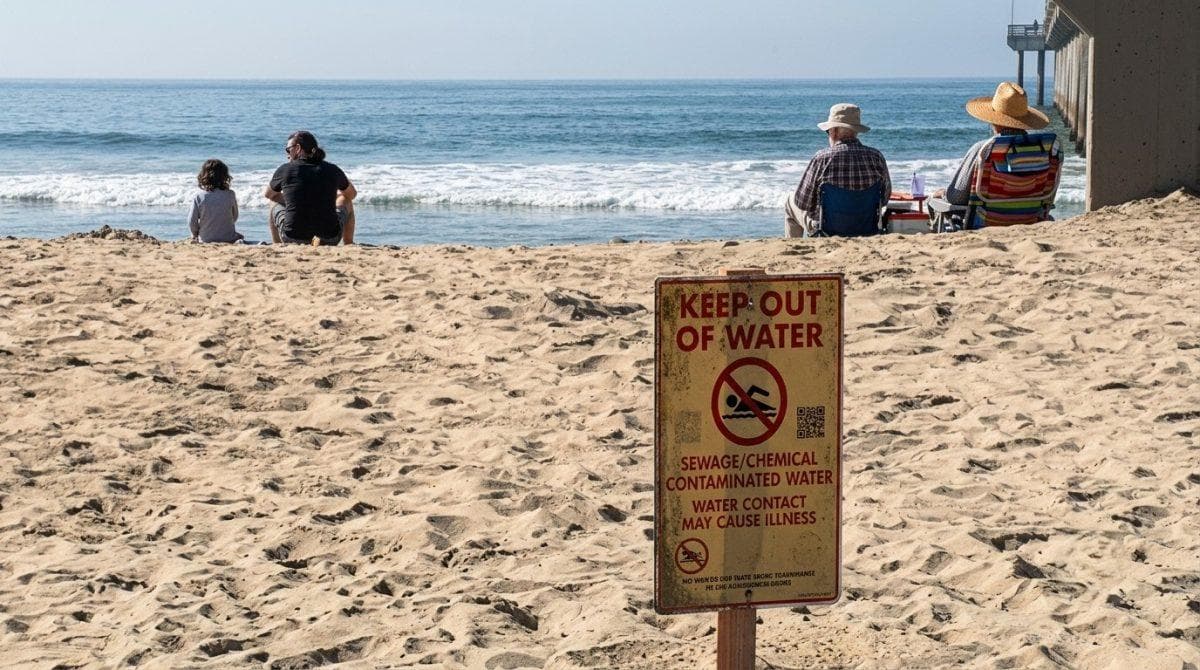
California beach bacteria triggers an emergency health advisory when the Los Angeles County Department of Public Health detects elevated bacterial levels exceeding state safety standards across 5 coastal locations, prompting local authorities to prohibit swimming and surfing while extreme heat warnings drive crowds toward the shoreline, while specialists advise avoiding water contact entirely to prevent severe infections caused by dangerous pathogen concentrations.
Additionally, this critical safety measure coincides with continuous monitoring efforts carried out by environmental protection agencies that track water quality parameters across the entire coastline, consequently urging citizens to consult the official 24-hour hotline at 1-800-525-5662 or the interactive online mapping tool to verify real-time conditions before planning any recreational excursions.
Coastal monitoring and public health risks
Ocean water contamination drives environmental agencies to enforce strict quality protocols because high bacterial concentrations significantly elevate the risk of gastrointestinal illnesses and skin infections among swimmers, while laboratory technicians evaluate samples collected near storm drains and popular recreational piers to pinpoint contamination sources, meaning rigorous testing prevents widespread outbreaks during peak tourism seasons.
Beyond standard testing procedures, local health departments deploy advanced tracking systems to identify urban runoff and sewage overflows that routinely degrade coastal ecosystems after heavy rainfall or excessive heat waves, in such a way that authorities maintain transparent communication channels guaranteeing vulnerable populations receive immediate warnings.
Beaches affected by the alert and risk areas
-
The area near the East Wilshire Boulevard storm drain at Santa Monica Beach presents dangerous bacterial levels exceeding permitted state standards for swimmers.
-
The Bel Air Bay Club drain area at Will Rogers State Beach registers elevated concentrations that force a total restriction on recreational sea access.
-
The entire swimming area of Mother’s Beach in Marina del Rey remains under strict sanitary surveillance due to high bacterial proliferation detected by inspectors.
-
All of Inner Cabrillo Beach in San Pedro closes temporarily to prevent visitors from contracting infections through direct contact with contaminated water.
-
The area spanning 100 yards north and south of the Santa Monica Pier exhibits critical measurements that discourage any aquatic activity during the current heat season.
County public health departments intensify coastal surveillance through daily collection of marine samples to update interactive maps, opening a scenario where constant environmental supervision protects community health against unforeseen biological risks in the region.
Ocean water contamination and sanitary challenges
Municipal administrations coordinate emergency response strategies with environmental protection boards to mitigate the impact of urban pollution on popular tourist destinations, given that strict regulatory enforcement and rapid public notifications limit potential health hazards for resident swimmers inhabiting coastal neighborhoods.
Meanwhile, environmental scientists warn that climate shifts and urban runoff continue challenging traditional coastal management frameworks, weaving a landscape where the preservation of marine safety standards rests on proactive municipal intervention and California beach bacteria.
