

WATCH NOW
Watch on the app












Argentina World Cup controversy: Why an English referee can’t officiate Argentina
-
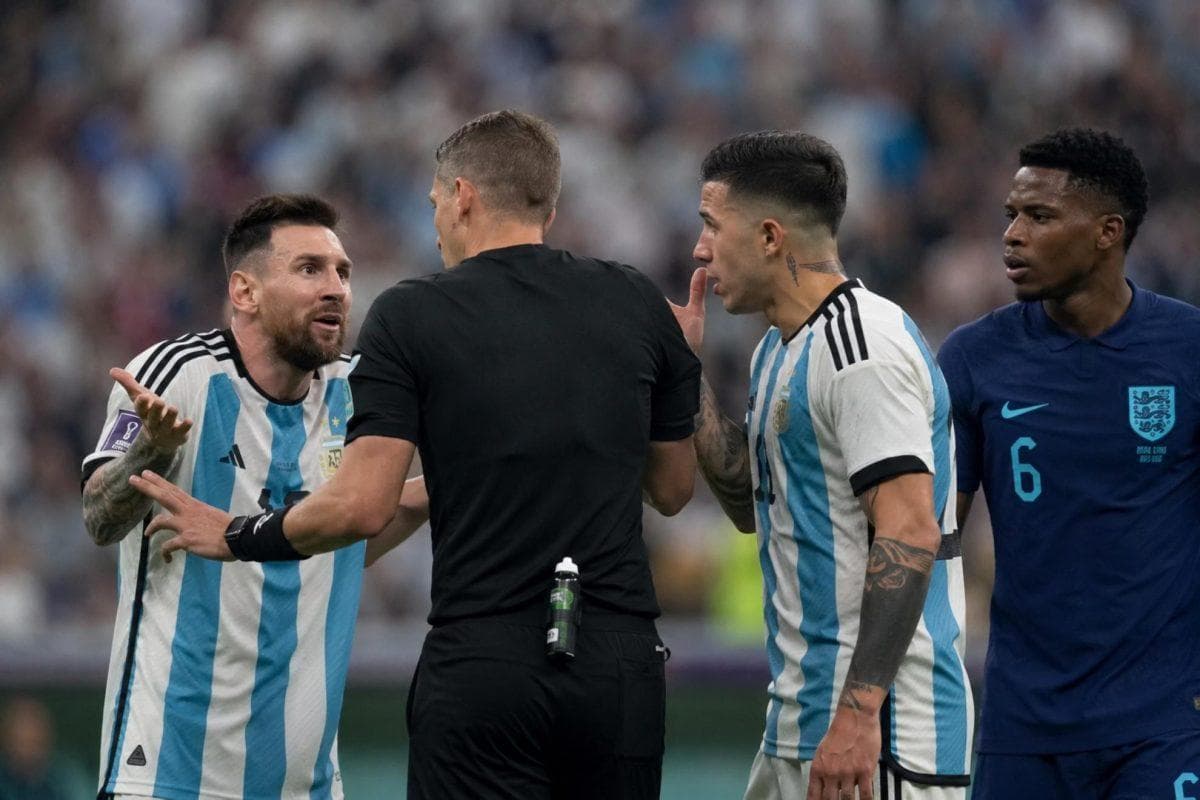
FIFA maintains a specialized geopolitical restriction that bars English officials Michael Oliver and Anthony Taylor from managing Argentina’s fixtures.
-
The administrative measure addresses the persistent political sensitivity originating from the 1982 Falklands War between Argentina and the United Kingdom.
-
This operational boundary severely limits referee selection parameters for the 2026 World Cup final if either nation advances to the ultimate match.
The administrative management of the 2026 World Cup has reengaged international sports analysts regarding the complex neutrality frameworks utilized by the FIFA Refereeing Committee during the tournament’s final phases. Beyond the standard statutory protocol that prevents an official from officiating matches involving their own member association, Argentina’s competitive calendar is subject to an extraordinary geopolitical filtering process. English referees Michael Oliver and Anthony Taylor are systematically restricted from officiating any match involving the Argentine national team due to the enduring historical and political sensitivities related to the 1982 Falklands War between Argentina and the United Kingdom.
Ver esta publicación en Instagram
Arbitral tracking: Michael Oliver’s progression and the MetLife barrier
Despite these localized geographical restrictions, Michael Oliver remains one of the most highly rated officiating assets within FIFA’s active 2026 tournament pool. The British referee secured assignment headers this Thursday for the high profile quarterfinal clash between Spain and Belgium, marking his seventh career appearance within a World Cup infrastructure. However, this diplomatic restriction significantly contracts his probability index for securing the final match appointment on July 19 at MetLife Stadium, as a successful progression by either Argentina or England would automatically disqualify both Oliver and Taylor from selection.
Referee Michael Oliver will take charge of his seventh World Cup match — more than any other Englishman — when Spain play Belgium in Thursday’s quarter-final in Los Angeles but his chances of officiating this edition’s final on July 19 appear slim.
Oliver — or fellow Englishman… pic.twitter.com/HV71m1PL5y
— The Athletic | Football (@TheAthleticFC) July 8, 2026
Roster progression: Tournament dynamics shaping officiating availability
The ongoing development of the tournament bracket across North American venues adds operational urgency to FIFA’s administrative scheduling. The Argentine squad secured its quarterfinal placement following a competitive 3-2 comeback victory over Egypt in the round of 16 and is now calibrated to contest a semifinal berth against Switzerland. Concurrently, on the opposing side of the tournament structure, England is scheduled to face a Norwegian roster led by Erling Haaland. Should both commercial football powers execute successful tactical outcomes in their respective matches, they would collide in a semifinal fixture on July 15.
Ver esta publicación en Instagram
Risk mitigation: Safeguarding institutional neutrality in late tournament phases
The mathematical probability of this direct national team intersection forces FIFA’s executive branches to establish alternative officiating pools drawing from neutral continental confederations for the final dates of the 2026 calendar. The strategic objective of the governing body is to eliminate external narrative pressures and media speculation that could challenge the perceived impartiality of the refereeing crew on the pitch. By enforcing these preventative administrative barriers, tournament directors prioritize the institutional stability of the event, acknowledging that historical external variables continue to exert a direct influence on modern athletic logistics.
