

WATCH NOW
Watch on the app













How to organize your air travel across Mexico, Canada and the U.S. during the World Cup
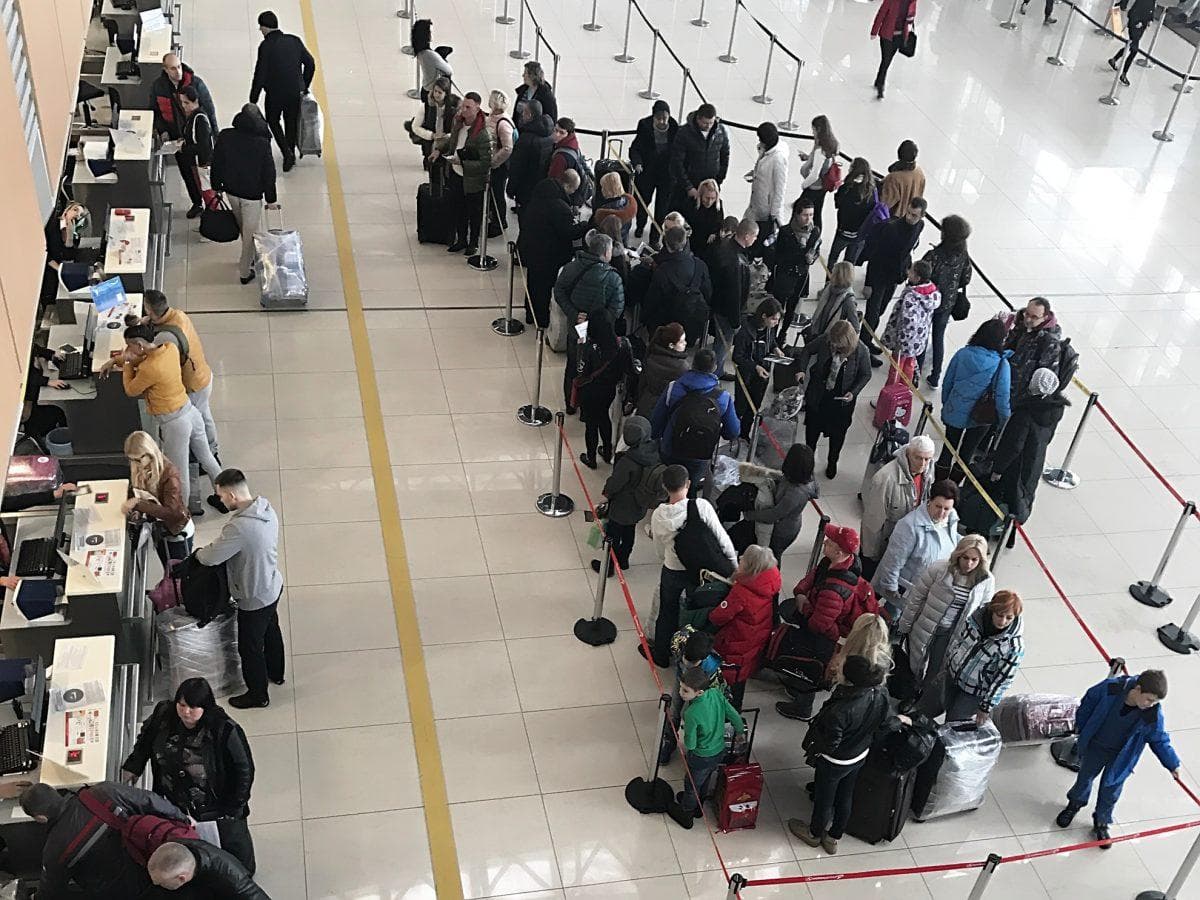
- The expansion to 48 teams and 104 matches in the World Cup turns mobility between Mexico, the United States and Canada into the greatest challenge for fans.
-
Flight and lodging prices in host cities like Los Angeles, Mexico City and Toronto are experiencing increases of over 100%.
-
Utilizing secondary airports and taking advantage of loyalty programs (miles and points) is emerging as the only way to maintain a reasonable budget.
The 2026 World Cup will not only be remembered for its unprecedented scale but for being the first tournament that requires fans to master the logistics of an entire continent. With venues spread from the Estadio Azteca to Vancouver, planning air travel has moved from a suggestion to a financial survival necessity. If you plan to follow your team on this tri-national journey, the key lies in anticipation and the strategic use of regional connectivity.
The puzzle of air routes
Unlike previous editions where travel was regional, the 2026 World Cup forces constant crossing of international borders. Experts suggest that flight ticket price volatility will reach its peak as the knockout stage matchups are confirmed.
To optimize costs, the primary recommendation is to use specialized comparators like Soccer Flight Finder, which allow for tracking routes between primary and secondary airports. For example, if your destination is MetLife Stadium, flying into Newark can be considerably cheaper than landing at JFK, in addition to reducing ground travel time to the stadium.
The strategic value of points and miles
In a market where a hotel night in cities like Los Angeles can exceed $450 during the quarterfinals, loyalty programs serve as the fan’s “lifesaver.” While cash rates double, the value of airline and hotel chain points has remained relatively stable.
Booking with miles not only protects your pocket against the event’s inflation but often offers more flexible cancellation policies, something vital when your travel destination depends on the outcome of a 90-minute match.
Secondary cities: The budget refuge
One of the smartest tactics for this 2026 is staying in satellite cities. Many World Cup stadiums are located in suburbs that are better connected to neighboring towns than to the centers of major metropolises.
-
Arlington, Texas: The AT&T Stadium is equidistant to Dallas and Fort Worth; exploring accommodation in the latter can reduce costs.
-
Foxborough, Massachusetts: The Gillette Stadium is halfway between Boston and Providence. The latter usually offers much more competitive hotel rates.
Public transport vs. vehicular chaos
Finally, once in the host city, public transport is your best ally. With parking fees in cities like Atlanta reaching $235, systems such as MARTA (Atlanta), the Los Angeles Metro, or NJ Transit (New Jersey) offer direct routes to the stadiums for a fraction of the cost. In addition to saving money, you will avoid the traffic collapses that a crowd of 125,000 people per day will inevitably generate.
Organizing your trip for the World Cup requires the precision of a technical director. Acting quickly, diversifying your airports and securing refundable reservations are the plays that will ensure your only concern is the score on the pitch.
