

WATCH NOW
Watch on the app















Young people are smoking less but a troubling nicotine trend is taking its place
-
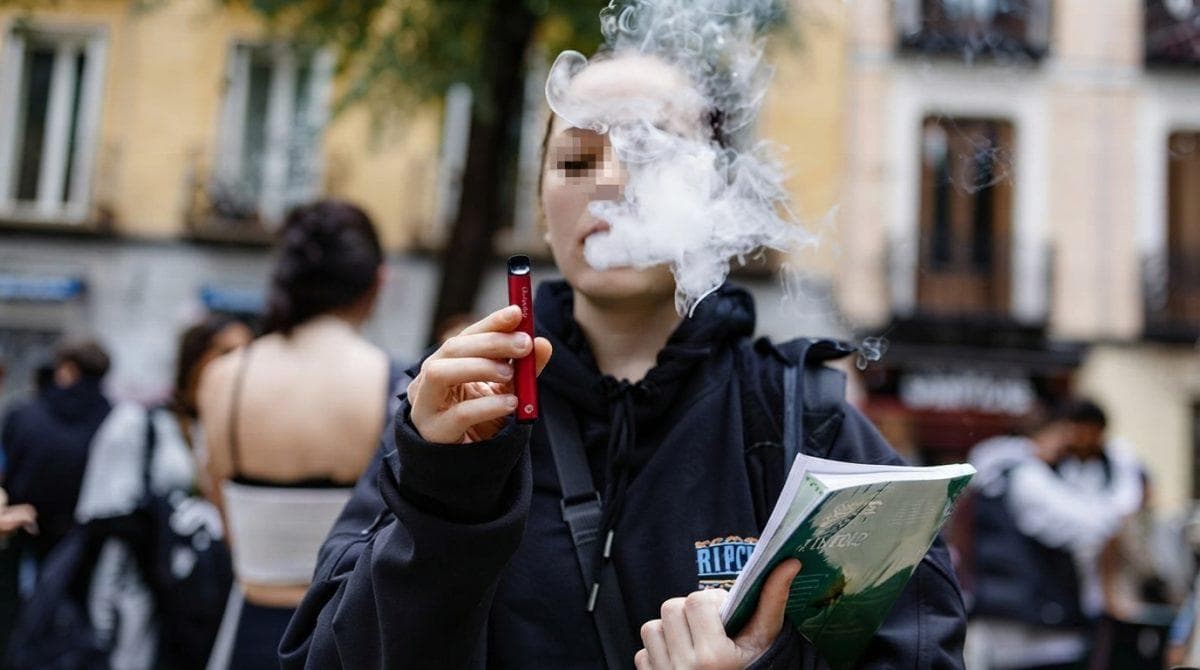
Teen nicotine consumption transforms public health priorities across Europe as researchers reveal shifting patterns of substance use among younger populations.
-
Comprehensive evaluations presented at major scientific congresses demonstrate that modern alternative devices successfully attract minors into early chemical dependency.
-
Public health specialists urge immediate preventative interventions because traditional smoking statistics mask an escalating crisis involving electronic alternatives.
Youth vaping trend stands at the core of recent investigations presented at the annual European Respiratory Society (ERS) congress in Barcelona to evaluate rates of teen nicotine consumption across broad demographics, establishing that conventional cigarette declines fail to represent an equivalent drop in overall chemical exposure while reflecting a complete redistribution of favored devices.
Scientific teams analyze extensive data tracking thousands of individuals to understand how modern electronic alternatives accelerate early dependency, while specialized researchers from institutions like the Ludwig Boltzmann Institute for Pulmonary Health emphasize that emerging devices introduce users to chemical dependencies at significantly younger ages; consequently, health authorities confront complex policy challenges regarding the multifaceted rise of this phenomenon.
Impact of youth vaping trend and teen nicotine consumption
-
Empirical tracking in Austria demonstrates that traditional smoking rates decreased from 24.2% to 16.3% between 2012 and 2014, while alternative products surged from zero percent up to 17.2% as part of current teen nicotine consumption patterns.
-
Investigations directed by specialists such as Charmaine Helk Lim indicate that the average age for starting substance use dropped from twenty years old in cohorts born during the 1930s down to fifteen years old for those born in the 2000s, evidencing a remarkably precocious start.
-
Data collections compiled by the TobaccoFree Research Institute Ireland (TFRI), directed by Joan Hanafin with 5,265 young participants, reveal that electronic cigarette usage among adolescents aged fifteen and sixteen escalated from 10.1% to 15.7%.
-
Research findings confirmed in studies indexed on PubMed Central (PMC) verify that the proportion of teenagers initiating vaping habits without prior smoking experience surged dramatically, shifting from 50.2% in 2015 to 76.2% by 2024, cementing this pathway as the primary gateway to chemical dependency.
Consequential respiratory impacts and young adulthood
A third study conducted with 3,380 participants tracked from age thirteen through 25 indicated that current electronic cigarette usage reached 38% while traditional smoking hit 25% by age 25, demonstrating how teen nicotine consumption extends consistently into adult life stages. Prior reports published by the Royal College of Paediatrics and Child Health in the United Kingdom previously linked minor vaping with persistent coughing, wheezing, bronchitis, asthma episodes and nicotine dependence; furthermore, adult evaluations revealed a 15% reduction in physical capacity compared to individuals who never used such products, reflecting rapid fatigue and blood vessel inflammation.

Comprehensive data highlights the escalating risks of the youth vaping trend.
Study authors stress that public health strategies must target substance discouragement among children and youth without product distinctions, encompassing sweeping regulatory frameworks. Industry experts demand comprehensive policies incorporating vaping, traditional tobacco, shisha, heated tobacco and nicotine pouches to curb widespread adoption; therefore, robust preventative measures remain central to global management of the youth vaping trend.
Ver esta publicación en Instagram
Prevention strategies and future outlook
The broader scientific community emphasizes that multi-sectoral collaboration remains indispensable for deploying stricter controls across school environments and local communities, articulating unified responses to contain teen nicotine consumption among emerging generations. Public health authorities continuously evaluate educational programs designed to expose the hidden chemical hazards of electronic devices; accordingly, permanent epidemiological surveillance guarantees effective responses against the relentless advance of the youth vaping trend.
