

WATCH NOW
Watch on the app














Why did the Blue Jays trade for Jose Soriano after dealing Kevin Gausman?
At first glance, the moves seemed to contradict each other. But a closer look reveals why Toronto believes José Soriano fits its long-term pitching plan better than Kevin Gausman did.
When the Toronto Blue Jays traded Kevin Gausman before the MLB deadline, many assumed the club was beginning to scale back its ambitions.
Just hours later, that assumption disappeared.
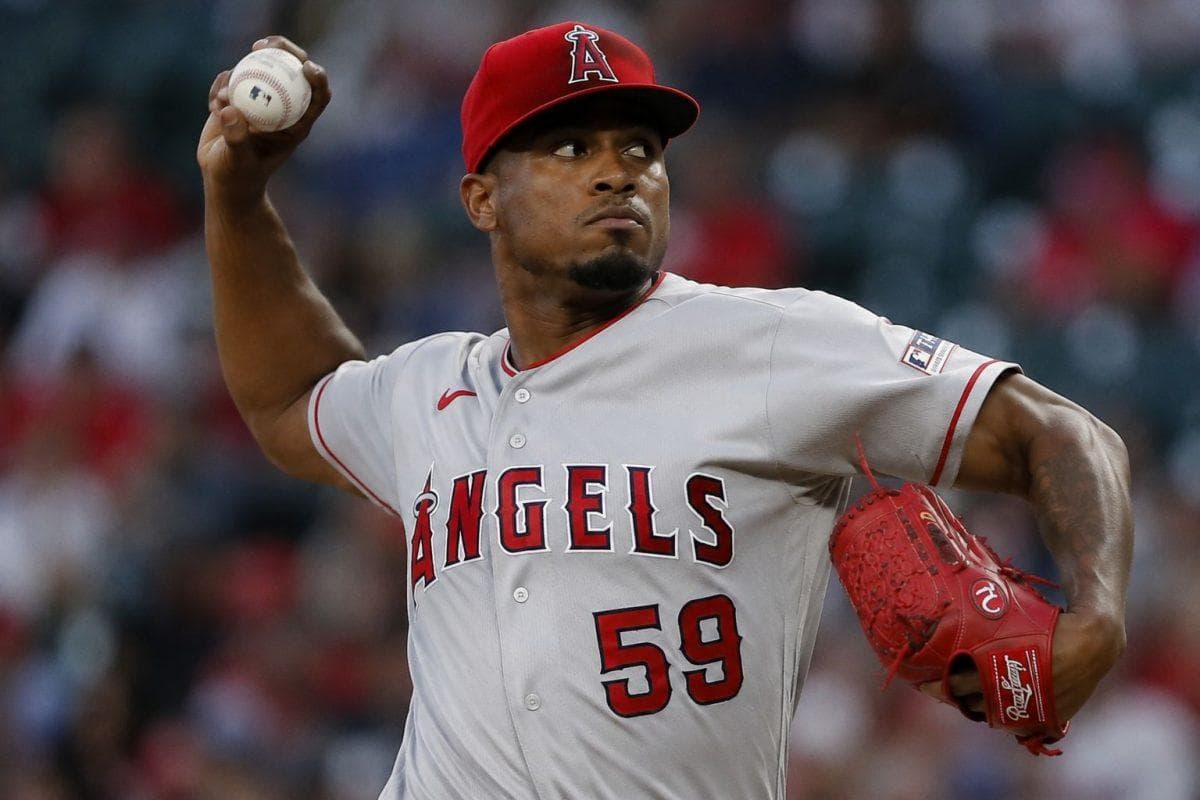
Toronto agreed to acquire José Soriano from the Los Angeles Angels, raising an obvious question: Why trade away one frontline starter only to bring in another?
The answer isn’t just about replacing innings. It’s about age, contract control and building a rotation that can compete well beyond this season.
Why did Toronto move on from Kevin Gausman?
Gausman had been one of the Blue Jays’ most reliable starters for several seasons, but he also represented one of the club’s oldest and most expensive rotation pieces.
Moving him gave Toronto financial flexibility while allowing the organization to reset part of its pitching staff with younger, controllable talent.
Rather than entering a rebuild, the Blue Jays appear to have shifted toward a strategy focused on remaining competitive while getting younger.
Why was José Soriano the target?
Soriano checks nearly every box modern front offices value. The 27-year-old right-hander features one of baseball’s hardest sinkers, regularly throwing in the upper 90s while generating an elite ground-ball rate.
Although his command has occasionally been inconsistent, evaluators across baseball believe his raw stuff gives him the upside of a top-of-the-rotation starter.
That combination made him one of the most sought-after pitchers before the trade deadline.
The biggest difference isn’t performance, it’s years of control
Perhaps the most important part of the trade has nothing to do with Soriano’s ERA. Unlike many deadline acquisitions, Soriano isn’t a rental.
He remains under team control through the 2028 season, giving Toronto multiple years to develop and maximize one of the league’s most electric young arms.
For a front office trying to balance winning now with long-term sustainability, that contract status dramatically increases his value.
Why the move makes sense after trading Gausman
At first glance, dealing an established veteran before acquiring another starting pitcher appeared contradictory.
In reality, the Blue Jays addressed two different goals. Trading Gausman reduced long-term financial commitments and added organizational flexibility.
Acquiring Soriano immediately replaced much of that rotation upside with a younger pitcher who fits the club’s competitive window for several seasons.
Rather than taking a step backward, Toronto appears to believe it has exchanged experience for long-term value.
A calculated gamble on upside
Soriano isn’t a finished product. His command can still fluctuate, and consistency remains the biggest question surrounding his future.
But the Blue Jays clearly believe those risks are outweighed by his elite velocity, heavy sinker and years of affordable team control.
That’s why Toronto’s deadline wasn’t about replacing Kevin Gausman. It was about reshaping the future of its rotation with a pitcher the organization believes is only beginning to reach his ceiling.
