

WATCH NOW
Watch on the app









Who really started reggaeton? here is the truth breakdown in a way that actually makes sense
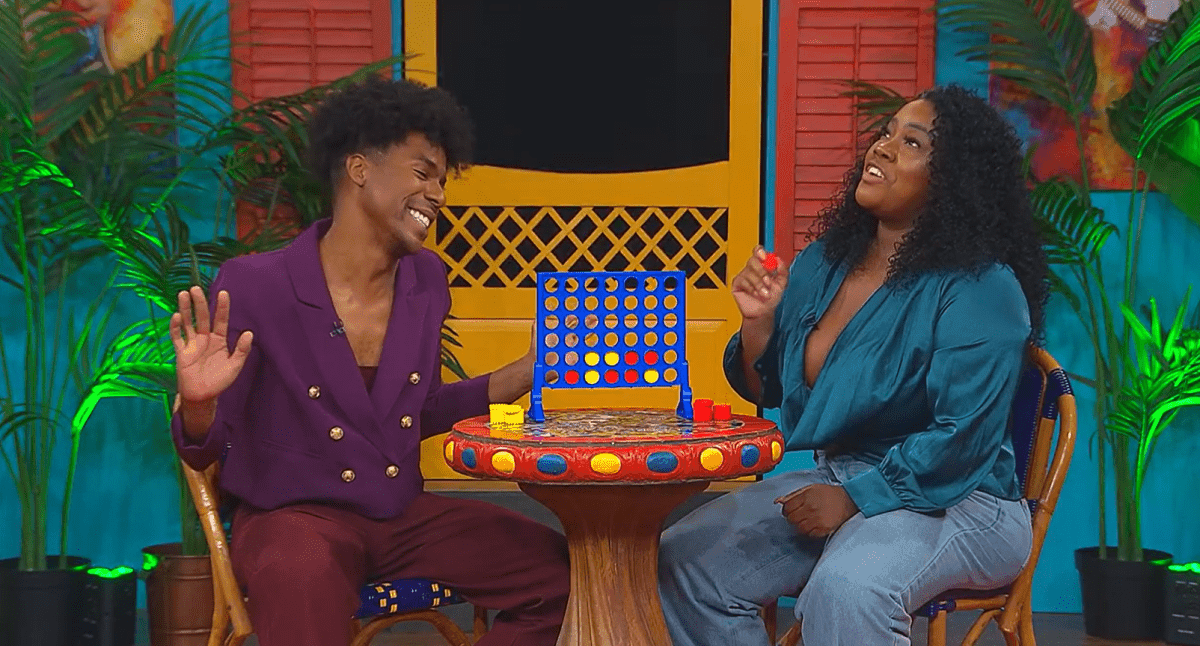
If you’ve ever seen a reggaeton debate explode online, you already know how this goes. Puerto Rico vs Panama. Who invented it. Who “owns” it. Who gets erased. On this episode of Blacktinidad, the question finally gets the kind of answer it deserves, not from hot takes or Twitter threads, but from history, lived experience, and someone who’s actually done the research.
In the Cuéntame segment, Nelson Estevez sits down with La Gata, historian, multimedia artist, and the voice behind Reggaetón con La Gata, for a conversation that feels more like a cultural reset than an interview. As she explains her roots Panamanian, Jamaican, American, raised in Boston she makes one thing clear from the jump. Reggaeton didn’t come from one place or one flag. It came from movement, migration, and the Black diaspora shaping sound across borders.
La Gata breaks it down in a way that cuts through years of confusion. Panama was translating reggae and dancehall into Spanish long before the genre had a global name. Jamaica laid the rhythmic foundation. Dominican communities helped shape the culture and spread it through cities like Boston. Puerto Rico took all of that and turned it into a movement, branding it, naming it, and pushing it worldwide. None of those pieces cancel each other out. They complete the story. As she puts it, arguing opinions doesn’t matter. What matters are the stories of the people who were actually there.
That perspective is exactly what led to Perreo 101, La Gata’s tour and educational platform that started as online discourse and grew into something much bigger. Born out of constant arguments on social media, the project became a space to bring receipts, give credit where it’s due, and center voices that history tends to skip. The goal isn’t to crown a winner. It’s to understand how reggaeton really came to be, without erasing Black, queer, or Afro-Latino contributions along the way.
The conversation also goes deeper than music. La Gata speaks openly about why centering LGBTQ voices in reggaeton history matters, especially in a genre that hasn’t always made space for them. “If we don’t see us, who will?” she says, reminding viewers that queer people have always been part of the culture, even when they weren’t front and center. Visibility, she explains, isn’t a trend. It’s survival.
By the end of the segment, the takeaway is clear. Reggaeton isn’t owned by one country, one sound, or one generation. It’s a shared cultural creation shaped by Black communities across the Caribbean and the diaspora. And understanding that history isn’t about starting new fights. It’s about staying focused, honoring roots, and protecting the culture from being flattened or rewritten.
You can watch the full Cuéntame segment and more episodes of Blacktinidad on LatiNation, where conversations about identity, music, and culture don’t stop at the surface.
