

WATCH NOW
Watch on the app














Latin music is everywhere… so why are the VMAs still putting us in one box?
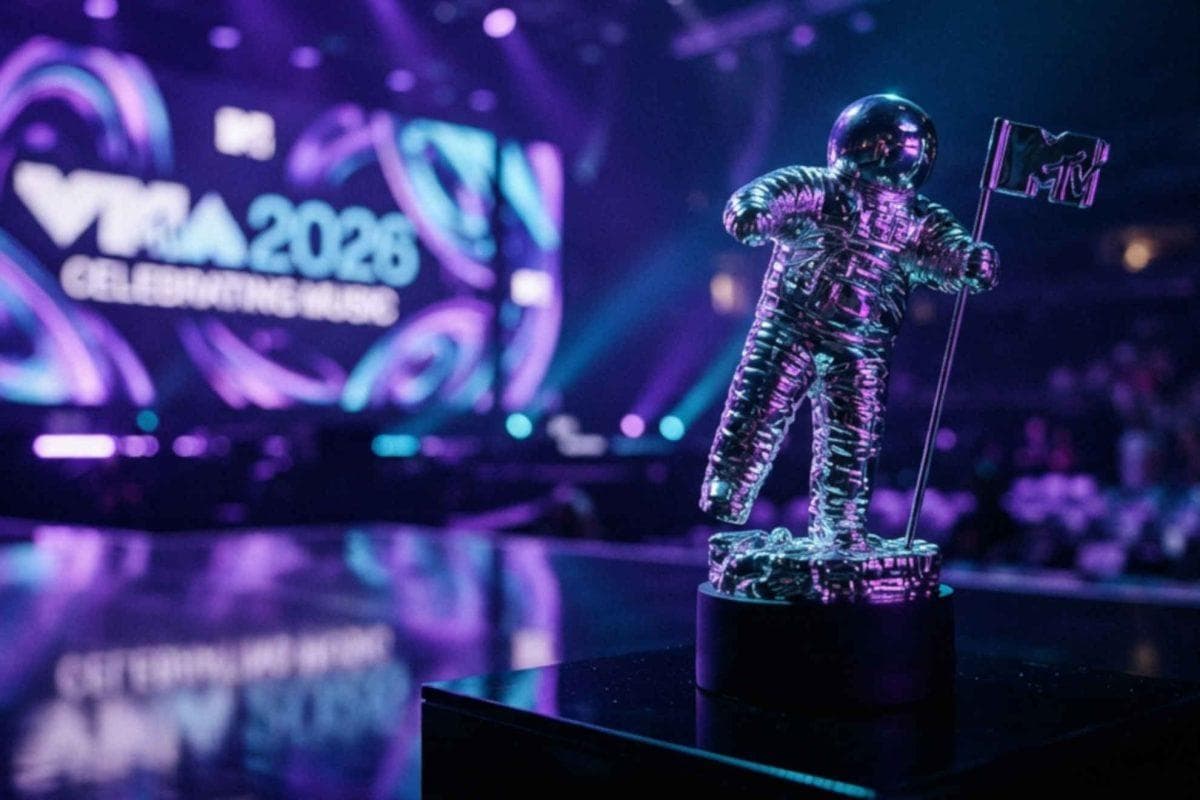
- Spanish-language music suffers obvious disregard at the VMAs by leaving Latin artists out of the gala’s main categories.
- Shakira and other major exponents of latin music barely feature with isolated nominations limited to the Latin category.
- Rosalía also suffers this bias at the VMAs by being unfairly pigeonholed into Spanish-language music despite her innovative repertoire.
The international music industry reignites the debate over diversity and inclusion after revealing a nomination list completely marginalizing the main exponents of latin music in the highest-weight categories. Although Spanish-language music achieved historic milestones and unprecedented audience records in The United States, the VMAs continue applying an opaque filter relegating Latin artists to a single generic category.
This disconnect proves especially shocking considering the overwhelming commercial impact Spanish-language music demonstrates on the planet’s most prestigious stages over recent months. Thus, global figures defending latin music face a reward system once again that seems incapable of recognizing their artistic weight beyond a predetermined and reductionist label.
Rosalía’s pigeonholing and the VMAs controversies with Spanish music
Furthermore, some fans and insiders assert that the institutional bias of the VMAs discriminates neither geographical borders nor experimental genres, directly affecting European talents proudly championing latin music. A clear example of this organizational rigidity stars acclaimed Spanish creator Rosalía, who after years of meticulous conceptual work got tossed into the same catch-all drawer of Spanish music under the Latin category, ignoring the plurality of her roots. While other global industries celebrate cross-border experimentation, these awards insist on grouping radically distinct proposals sharing only the language under the latin music umbrella. This lack of artistic criteria merely evidences the urgency of deep renewal in eligibility criteria and respect toward the diversity of Spanish-language music and Latin artists.
Ver esta publicación en Instagram
Between invisibility and structural rejection toward creators of Spanish-language music
In this sense, analyzing the complete nomination landscape reveals that systematic marginalization suffered by latin music shares space with other pending historical debts within major award galas. While the VMAs generously open doors to other international markets like Korean pop, creators of Spanish-language music and Latin artists keep dealing with confusing selection criteria and totally misaligned eligibility periods. This disparity lays bare that, apparently, the American industry still does not know how to justly integrate Latin music without falling into single-category ghettos. Hence, the global artistic community driving Spanish-language genres demands fair treatment overcoming mere commercial winks and granting legitimate recognition deserved in contemporary popular culture’s main peaks.
We will not be organizing any voting campaign for the VMAs. We understand the relevance of this award show, especially for artists who are just starting their careers and seeking greater international recognition. However, that is not ROSALÍA’s situation.
We recognize that her…
— ROSALÍA UPDATE (@updaterosalia) August 18, 2026
