

WATCH NOW
Watch on the app















Peaceful vacation paradise ruined by influencers and their social media stuff
-
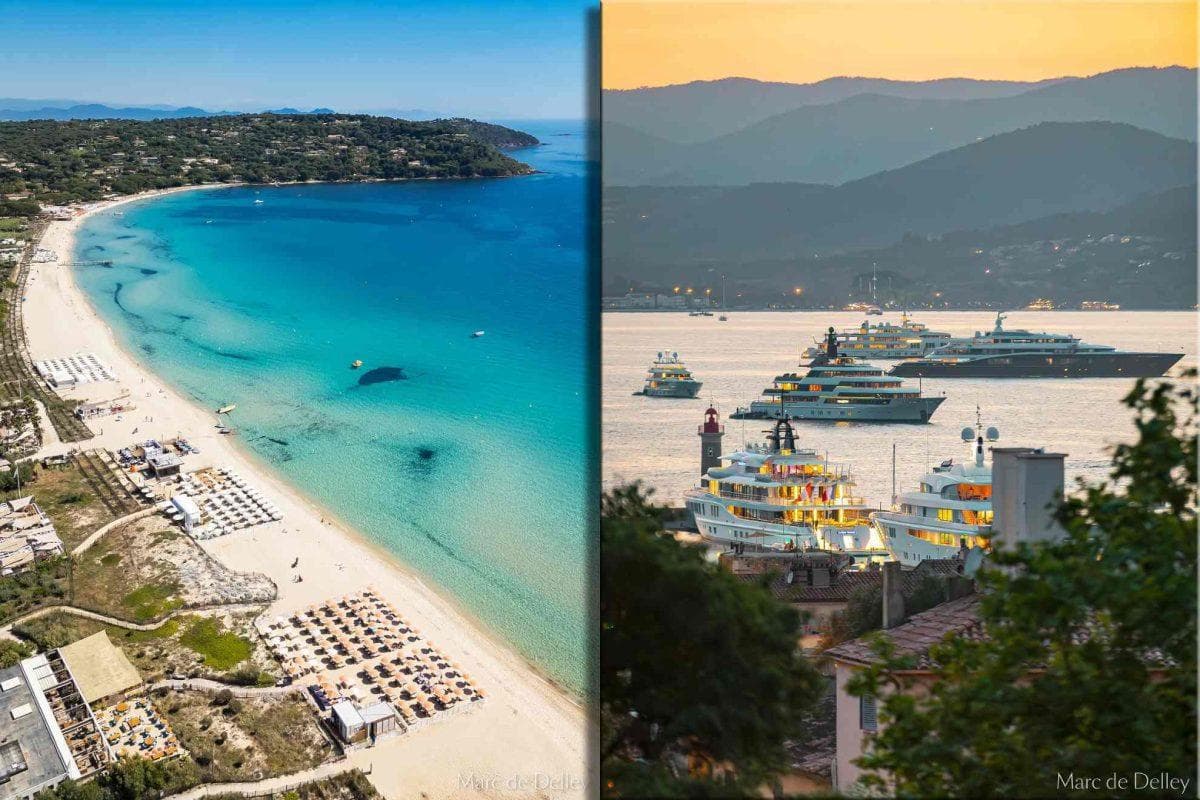
Saint Tropez transitions from an exclusive European coastal retreat into a densely populated background for social media content creation.
-
Major international fashion houses deploy elaborate commercial takeovers across local beach facilities to maximize online promotion.
-
Despite widespread complaints regarding the loss of historical identity, regional hospitality rates continue to establish unprecedented financial records.
The historic character of Saint Tropez was long defined by its quiet coastal environment, classic Mediterranean architecture and understated luxury that attracted prominent figures seeking privacy away from public attention. However, the traditional charm of this French Riviera destination has undergone a fundamental transformation driven by mass tourism pressures and aggressive digital content creation. Observers and returning visitors frequently note that the peaceful atmosphere of the former fishing village has been largely compromised as digital visibility and viral social media aesthetics become the main drivers of local tourism activity.
Ver esta publicación en Instagram
Commercial transformations and digital content production
The introduction of major fashion brands into the regional hospitality ecosystem has fundamentally reshaped the daily environment of the coastal town. Global luxury brands regularly contract local beach facilities to install custom furniture, branded recreational equipment and interactive photo locations designed specifically for social media engagement. These promotional activities generate steady crowds of digital creators throughout the summer season, creating lengthy waiting lines outside pop up retail establishments and turning historical public streets into operational areas for continuous online media production.
Ver esta publicación en Instagram
Escalating real estate values and commercial activity
Despite persistent criticisms from long-term residents concerning the decline of community character, commercial demand and property valuations across the peninsula continue to advance. Recent hospitality metrics establish the municipality as the most expensive coastal market in the country with average nightly hotel rates outpacing those of competing Mediterranean destinations. Furthermore, high end real estate transactions maintain elevated record levels driven by international capital, while the harbor continues to host high capacity private yachts that support an expensive nightlife infrastructure oriented toward short-term visitors.
Ver esta publicación en Instagram
Modern travel trends versus historical preservation
The divergence between high density tourism and historical conservation presents a challenging dynamic for local authorities attempting to balance economic activity with heritage protection. While modern travelers seeking high visibility entertainment venues find the expanded nightlife options suitable for their expectations, traditional visitors frequently express disappointment over the altered atmosphere. The contrast between traditional local culture and contemporary commercial activation highlights the ongoing difficulty of preserving regional identity within famous European travel locations.
Ver esta publicación en Instagram
Broader implications for historic travel destinations
The ongoing structural evolution of Saint Tropez illustrates the wider operational impact that social media promotion exerts on established global vacation sites. As travel choices become increasingly influenced by digital platforms and viral trends, traditional destinations face structural changes that alter both local business models and public space access. The transformation of this iconic Mediterranean town highlights the complex challenge of managing high volume international tourism while attempting to retain the unique historical qualities that originally established the area reputation.
Ver esta publicación en Instagram
Cover photos from: @thisissttropez
