

WATCH NOW
Watch on the app















Easy ways to lower your electric bill with programs that may help you pay
-
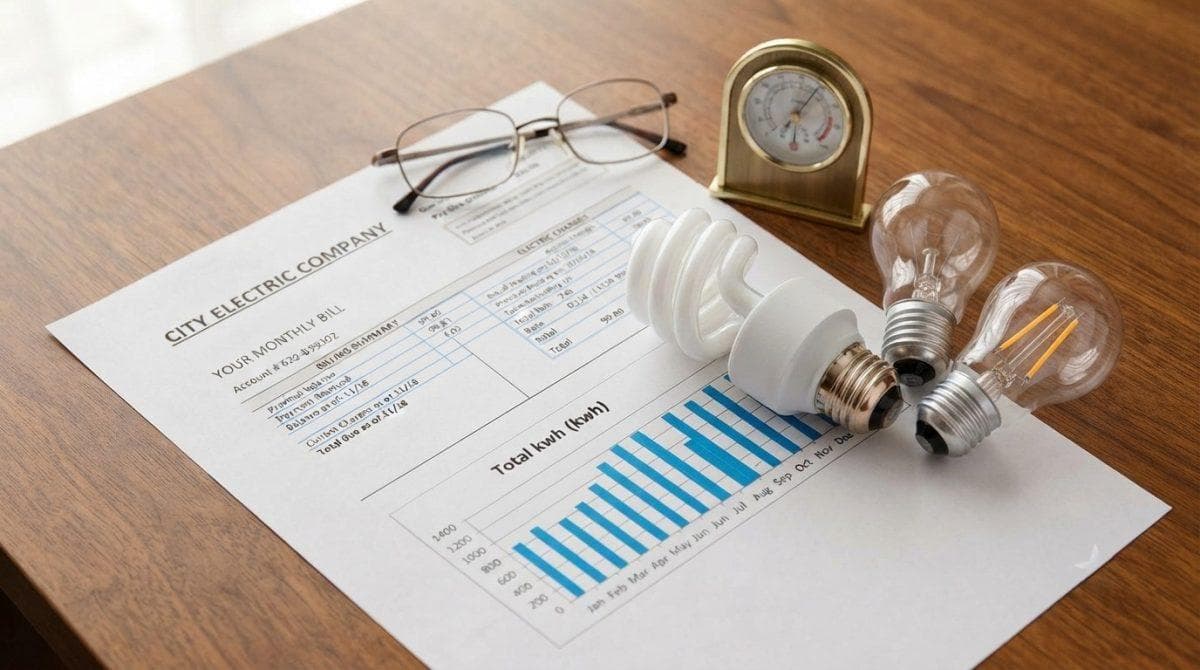
High summer electricity usage drives up costs, necessitating effective strategies to mitigate rising energy bills across the nation.
-
Implementing a straightforward, three-step method optimizes power consumption by adjusting daily habits and improving household efficiency.
-
Federal and state programs offer essential support for eligible families, ensuring that managing utility costs remains a practical goal.
Managing your electric bill during the summer in the United States represents a daily challenge for many residents as they seek to keep their homes cool without incurring excessive costs and to address this, the Department of Energy (DOE) outlines an operational method based on optimizing air conditioning, improving home insulation and modifying daily habits; furthermore, since cooling systems drive most monthly cost increases throughout the hottest months, these technical adjustments translate into tangible savings, allowing every family to maintain precise control over their household budget while keeping their living space comfortably cool.
Furthermore, the DOE emphasizes that efficiency relies on an intelligent integration of available technology, personal discipline and preventive home maintenance; official recommendations underscore that small routine changes generate significant long-term savings for families who remain consistent throughout the entire season.
Cut your electric bill with these 3 simple steps
By understanding how household appliances interact with summer climate conditions, residents transform their homes into high-performance spaces where comfort requires less spending and to achieve this financial stability, the following 3 step method offers a practical roadmap to navigate the season: first, by optimizing cooling systems through precise thermostat control; second, by improving structural home efficiency to block unwanted heat; and third, by strategically adjusting daily consumption habits, all while leveraging available assistance resources that help millions of American households maintain their budgets throughout the hottest months of the year.
1. Optimizing cooling systems
-
The 1st step involves maintaining moderate thermostat temperatures to prevent air conditioners from overworking during the most intense heat.
-
Programmable devices automate temperature adjustments based on your schedule, ensuring systems operate only when strictly necessary for comfort.
-
Powering down cooling systems during extended absences reduces operational stress, extends equipment lifespan and ensures the rational use of energy.
In this regard, adjusting the thermostat stands out as the most influential factor in avoiding excessive usage, as preventing drastic temperature drops allows air conditioning units to function within optimal efficiency ranges; experts at the Department of Energy point out that this precise control prevents the power spikes that frequently inflate monthly costs for homeowners everywhere.
Success relies on consistent settings, as maintaining a stable configuration prevents the compressor from repeatedly cycling through high-demand processes; consequently, programmable technology simplifies this task, freeing homeowners from constant manual supervision while ensuring a consistently cool environment. On the other hand, moderate temperatures do not imply a sacrifice in comfort, but rather a smarter management of available technological resources; additionally, regular maintenance ensures that filters remain free of obstructions that force the system to operate under unnecessary strain.
By integrating these habits into daily life, every household contributes to the reduction of regional power grid demand, creating a positive impact on both domestic budgets and national grid stability during heat waves; this operational discipline proves that residents can easily navigate the summer season while maintaining rigorous control over energy costs without compromising daily well-being.
2. Improving home efficiency
-
Airtight seals on windows and doors eliminate air leaks that force air conditioning systems to run at maximum capacity.
-
Thermal curtains effectively block direct solar heat, allowing indoor temperatures to remain stable without increasing the power load on cooling equipment.
-
Small structural interventions generate a noticeable impact on monthly performance, serving as quick investments that pay for themselves through utility savings.
Effectively improving home efficiency requires meticulous attention to air entry and exit points, as even minor gaps facilitate the loss of conditioned air; sealing perimeters with high-quality insulation materials blocks heat exchange with the outdoors in a highly effective manner to keep interiors comfortable.
Additionally, high-density curtains act as a barrier that shields home interiors against direct radiation, mitigating the overheating of internal surfaces; through these measures, the home becomes more resilient, allowing climate control systems to serve as a complementary feature rather than relying on constant, forced operation.
Nevertheless, comprehensive maintenance of the thermal envelope involves constant verification of structural conditions that directly impact annual energy costs; these preventive actions reduce accumulated humidity, which promotes a sense of freshness and substantially improves air quality throughout the entire summer season.
The sum of these minor structural improvements radically transforms property efficiency, creating an environment where air conditioning operates fluidly without forced interruptions; the end result of applying these strategies is a home that retains natural coolness while the electric meter reflects a constant decrease in usage.
3. Adjusting consumption habits
-
The 3rd step requires organizing daily activities to avoid the simultaneous use of high-demand appliances during hours of peak thermal intensity.
-
Shifting the use of ovens, dryers and washing machines to nighttime hours takes advantage of cooler outdoor temperatures and lower grid demand.
-
Turning off lights in unoccupied rooms and unplugging devices in standby mode eliminates the silent waste of energy that often inflates average monthly consumption.
Equally important, adjusting daily routines constitutes a key strategy for lowering service costs, as the heat generated by internal appliances increases the workload on cooling systems; by consciously planning these tasks, households successfully reduce peak demand without altering core responsibilities.
The habit of unplugging unused equipment prevents the “vampire” power drain that adds up to significant figures by the end of each billing cycle; furthermore, this organization promotes greater awareness regarding resource availability, facilitating the adoption of a much more streamlined and sustainable lifestyle.
Additionally, the commitment to saving energy extends to using high-efficiency lighting and integrating real-time monitoring systems, which help identify which appliances generate the largest spikes; with these measures, residents drastically reduce pressure on home electrical systems, favoring a balanced operation of all installed resources.
While some opt for major investments, the reconfiguration of daily habits proves to be a powerful tool for any family, validating that demand control fundamentally depends on the willingness to optimize one’s routine; thus, these actions ensure that energy spending remains under control, allowing the family economy to thrive.
Support resources for electricity expenses
-
Federal and state programs assist eligible households in covering electricity and gas utility costs throughout the year.
-
The federal government provides detailed guides on requirements and access methods, allowing families facing economic challenges to receive vital budgetary relief.
-
Combining this assistance with efficiency strategies provides a financial shield against high-consumption seasons, preventing utility-related economic stress.
Likewise, official information regarding utility payment assistance remains fundamental for thousands of families facing critical billing seasons; this financial support has the primary goal of reducing the fiscal burden during moments when energy costs might otherwise compromise basic household stability.
It is crucial to highlight that such resources do not replace the need to implement efficiency practices, but rather act as a necessary complement to ensure that thermal well-being is accessible to everyone; staying informed about eligibility criteria serves as a proactive step that guarantees resilience against any unforeseen fluctuations.
The central objective remains constant: ensuring energy stays a controllable variable through intelligent management; consequently, applying these 3 steps and utilizing available assistance defines the path toward a more affordable and sustainable summer by finally reducing your electric bill.
