

WATCH NOW
Watch on the app















New York discovers a rare tick-borne bacteria previously found only in the Midwest
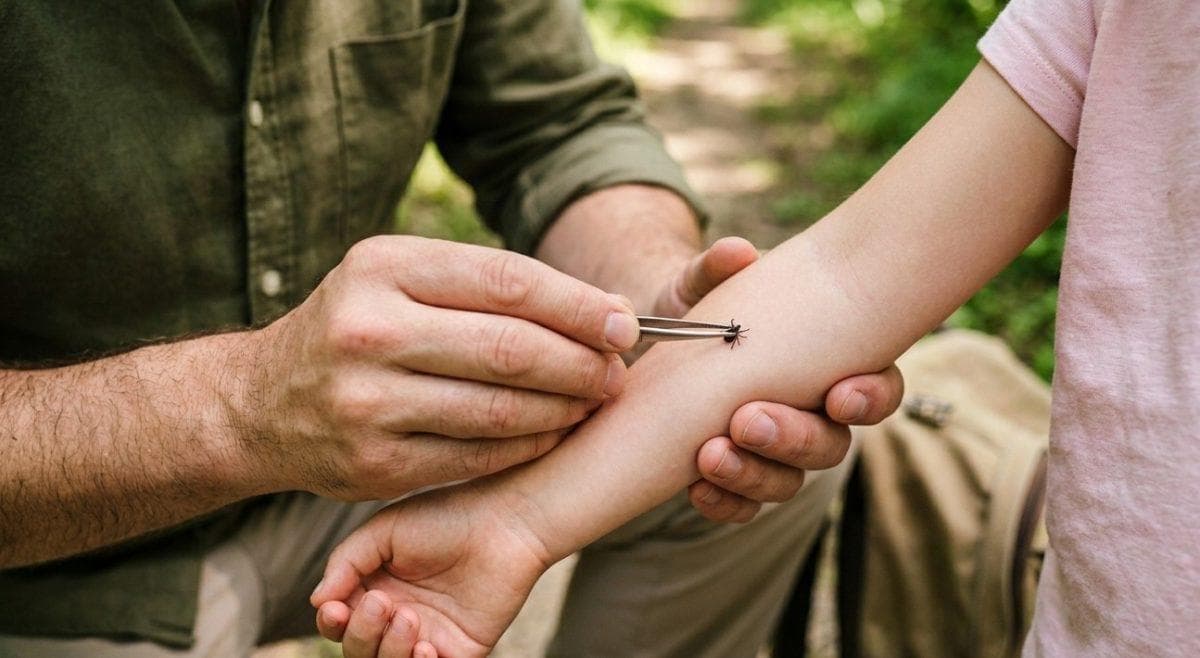
- A rare tick-borne bacteria was detected recently in New York, marking the first recorded case outside its usual area.
- Experts point out that this unusual condition does not respond to standard antibiotics, making prevention the best strategy.
- It is vital to adopt safety measures outdoors, such as using repellent and checking the skin, throughout the season.
Summer boosts outdoor activity; however, we must stay alert to emerging risks. Health authorities confirmed a rare tick-borne bacteria now circulates in the state, this creates concern among residents, as this pathogen previously lived only in the Midwest.
This microorganism’s rapid spread suggests that climate change favors its move toward the East Coast. Therefore, the New York State Department of Health monitors every case rigorously; they aim to curb the outbreak while keeping the public informed about real risks in parks.
Active prevention is the primary tool to avoid major complications this summer, which is why we recommend reviewing established safety protocols. Doing so makes a real difference for physical well-being, proving that maintaining vigilance is a shared responsibility when enjoying the natural environment.
From the Midwest to New York
For years, this threat remained foreign to the region, seeing that it stayed in areas like Missouri where cases were frequent. However, recent climate shifts facilitated the migration of these vectors toward eastern latitudes, which caused the risk of contracting this rare tick illness to shift from a rumor to an undeniable reality.
Sustained increases in annual temperatures favor tick survival in new territories, furthermore, interactions with wildlife accelerate their spread through forests. For this reason, we must understand that the geography of these diseases constantly changes, which forces us to adapt our personal care habits continuously.
The lack of prior exposure to this bacteria complicates clinical diagnosis for many local doctors, meaning that constant monitoring remains vital to avoid unexpected infections. This is essential in areas where tick density increases, showing that accepting this health challenge is the first step toward protecting health while enjoying natural spaces.
What we know about the Long Island case
A patient in Suffolk County presented early signs of this infection after a park bite, which is why later medical exams confirmed the presence of the pathogen. Consequently, this triggered alarms at the state health department, showing that the finding underscores the need to improve rapid detection systems after being outdoors.
The confirmation prompted authorities to initiate an epidemiological surveillance protocol throughout the affected area; although this is the first documented report, the scientific community works tirelessly to understand how this bacteria adapts. Researchers follow the guidelines set by the National Institutes of Health.
Transparency became an absolute priority to avoid unnecessary panic during these holidays; therefore, institutions provide updated data to guide citizens, each person can now make informed decisions on how to prepare adequately for any outing into nature.
Key symptoms to look out for
It is crucial to distinguish early symptoms with precision to act quickly; there are warning signs that nobody should ignore if discomfort appears after an outdoor walk:
High fever that arises suddenly is usually the most frequent indicator, likewise, intense headaches accompanied by extreme fatigue are clear alarm signals. Because these require immediate medical attention, observing these changes allows one to seek professional help in time and prevents the clinical picture from worsening.
Skin rashes that appear near the bite point deserve meticulous observation, furthermore, persistent discomfort can signal the body is actively fighting this microscopic invader. For this reason, if you have any doubt about your health, consult a medical professional, proving that early prevention saves valuable lives.
Why antibiotics won’t work against this threat
Unlike Lyme disease, this condition does not respond to conventional antibiotics, which significantly complicates initial treatment. Since it is a complex problem, the therapeutic approach focuses exclusively on alleviating symptoms, meaning that early detection becomes the fundamental pillar to avoid serious complications.
Specialized medical management requires constant monitoring, ensuring that hydration and fever control remain adequate. Likewise, professionals emphasize the importance of not self-medicating, given that standard drugs could be ineffective against this pathogen, which is why maintaining communication with doctors remains essential while the body overcomes this infectious process.
How to stay safe during a surging tick season
It is not necessary to avoid natural spaces, simply adjust your personal protection routines with intelligence and caution. By following these practical recommendations to enjoy the sun without worries, personal safety remains an absolute priority.
Apply DEET-based repellent to skin and clothing before exploring areas with dense vegetation, furthermore, choose light-colored clothing. This facilitates the rapid detection of any tick before it touches your skin, helping you integrate these simple steps into your preparation to gain an extra layer of defense against environmental risks.
Perform exhaustive inspections of your body and pets upon returning home, dedicating a few minutes to this review to locate any intruder quickly. This prevents physical contact from prolonging unnecessarily, allowing you to enjoy this summer season to the fullest while maintaining a preventive attitude that protects the family every day.
