

WATCH NOW
Watch on the app















Mens Legacy: Redefining Mental Health and Masculinity
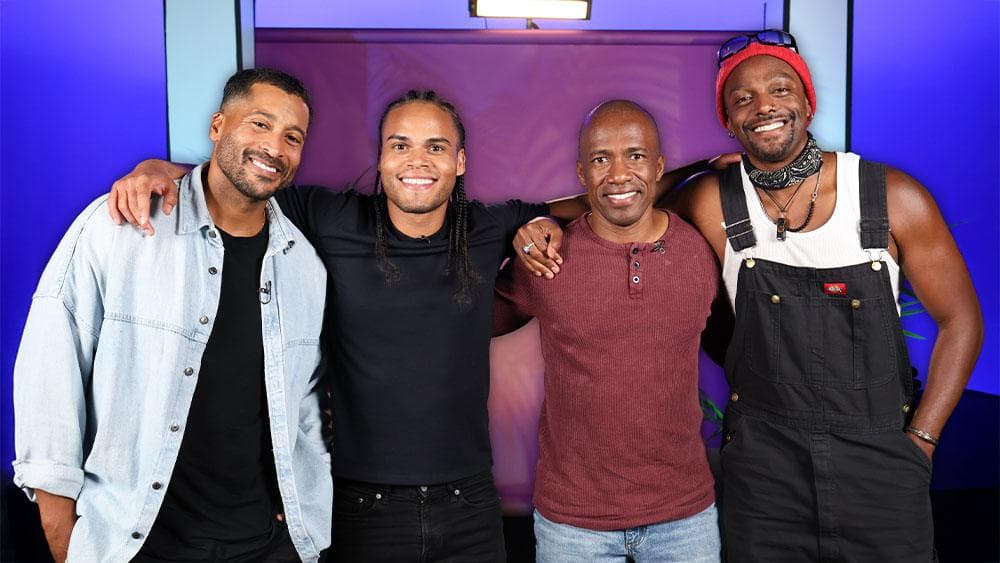
Men’s mental health is an important conversation, especially among men of color. For generations, it’s been a topic often swept under the rug, particularly when it comes to therapy and emotional openness. But actor Nelson Estevez recently brought that conversation to the forefront by hosting a powerful panel featuring actor Andresito Germosen, director/writer Kareem Ferguson, and Grammy-winning musician Austin Brown. Together, they opened up about legacy, vulnerability, and breaking generational patterns that have long taught men to stay silent.
The conversation began with a reflection on legacy and the lessons each man inherited from his upbringing. Kareem Ferguson shared that his family instilled in him a relentless drive for success, saying there’s “a determination and work ethic that I got—one thing that pops out is that hard work ethic, you put in the sweat equity for what you want in the world.” Austin Brown, on the other hand, hopes his own legacy goes beyond just his family, which is a legacy of greatness as he is the nephew of the late Michel Jackson. Austin has the hope he will be remembered through the connections he’s built, explaining that he wants “moments in time that I created with others” to define how he’s remembered. Andresito Germosen echoed that sentiment, emphasizing that “it’s important how you make people feel. That’s what legacy means to me.”
When the discussion turned to mental health and safe spaces, the men reflected on the importance of accountability among friends. Austin Brown shared that “being able to hold your friends accountable and them being able to hold you accountable is only going to build on your legacy.” His comment sparked a conversation about trust, communication, and the freedom to express emotions without judgment.
For Kareem Ferguson, vulnerability was a major theme. As a Black man, he recognized that many men of color grow up believing that showing emotion is a sign of weakness. “We as brown and black men need to embrace that more because we get the messages that being vulnerable is not cool,” he said. “I am so grateful that at this point in my life, I have relationships with other black and brown men that we can be vulnerable together, that we can not be perfect.”
Austin Brown agreed, adding, “If you’re not vulnerable, how are you going to learn?” His words reflected the group’s shared belief that growth comes from emotional honesty. For Andresito Germosen, vulnerability took on an even more personal meaning when he recalled the first time a male friend told him, “I love you.” He admitted it was something he wasn’t used to hearing outside of family, but it resonated deeply, reminding him how powerful it is for men to express love and appreciation for one another.
Estevez also reflected on his own experiences, sharing how time outdoors, like hiking with friends, became an opportunity to talk openly about life’s struggles while encouraging one another. For him, these moments serve as reminders that being emotionally supportive is just as important as being strong.
The panel also discussed how mental health is often tied to what men inherit from their families. Austin Brown shared that he grew up in a deeply religious environment that sometimes felt judgmental, but he’s learned to carve out his own path. “It’s okay to hear and understand, and get your own actual life experiences,” he said, noting that creating his own perspective was crucial for his peace of mind.
Redefining masculinity was another key theme throughout the discussion. Andresito Germosen expressed hope that more men will understand it’s okay to cry and have honest conversations about their emotions. Austin Brown described the beauty of masculinity as being multifaceted, someone who can be both strong and soft. He said he takes pride in being a protector but also loves “the fact that I can be vulnerable,” adding that he hopes that ability to embrace both sides “is one of the biggest legacies I leave behind.”
For Kareem Ferguson, who is part of the LGBTQ+ community, masculinity has often been a complicated topic. He admitted that he’s faced criticism and scrutiny over how others perceive his manhood but wants to shift that narrative. “Masculinity has nothing to do with sexuality,” something Austin expressed to Kareem, as a straight man. A moment that felt heartfelt to the two as the discussion continued.
By the end of the conversation, one message stood out clearly: mental health begins with vulnerability and accountability. Each man emphasized that it’s okay to discuss struggles and emotions, that doing so doesn’t make a man less masculine, but rather more self-aware and secure.
For Estevez, Ferguson, Germosen, and Brown, redefining masculinity means embracing honesty, compassion, and connection. Their message is simple yet powerful: opening up doesn’t take away from your strength, it proves it. And by living that truth, they’re creating a new kind of legacy one rooted in authenticity, healing, and freedom.
