

WATCH NOW
Watch on the app















Looksmaxxers: The new male obsession with facial perfection replacing traditional romance
-
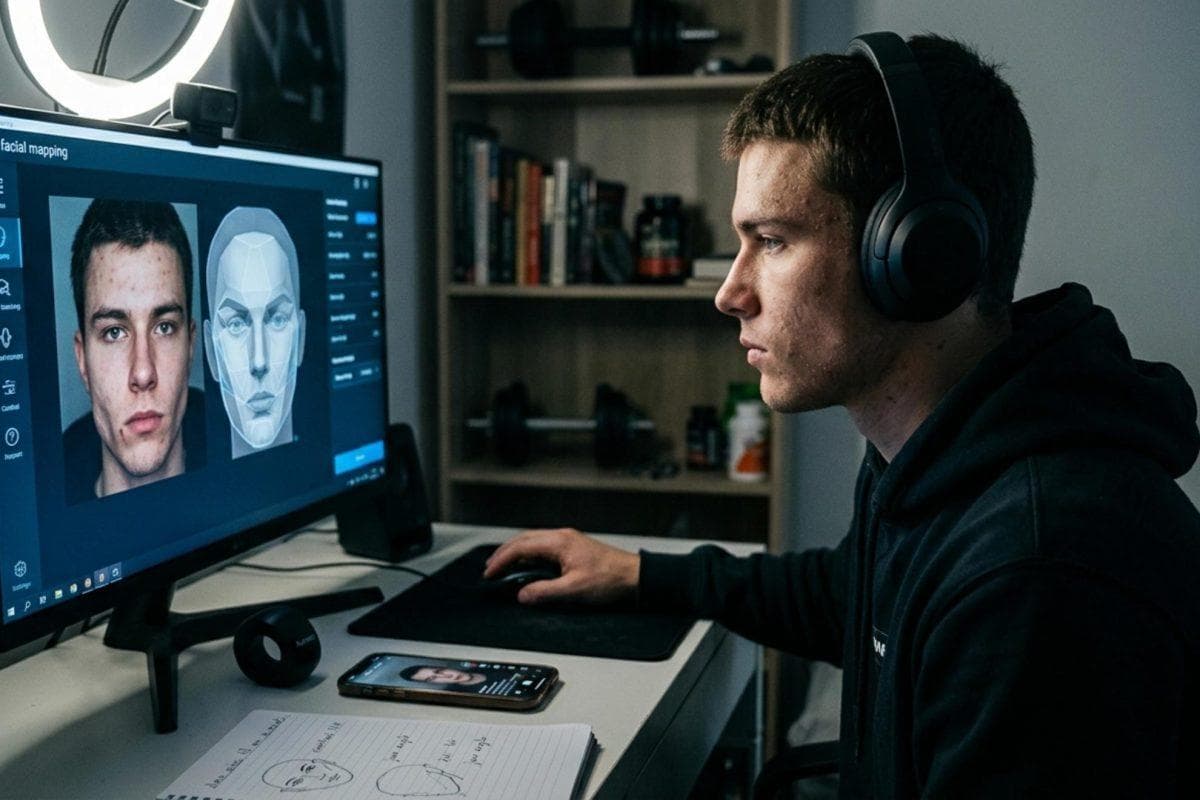
A new digital tribe of young men, called “looksmaxxers,” prioritizes radical physical enhancement and aesthetic analysis over real-world romantic interaction.
-
Extreme practices like “bonesmashing” and early age steroid use mark a nihilistic trend that views beauty as the sole measure of human worth.
-
The phenomenon reflects a post-pandemic socialization crisis where fear of rejection and pornography have fractured traditional courtship norms.
The dating landscape for Generation Z is undergoing a drastic transformation with the emergence of looksmaxxers. This community, dominant on platforms like TikTok and Kick, has pushed “self optimization” to near surgical levels. Unlike their predecessors, the incels, who based their identity on the lack of female affection, looksmaxxers seem to have moved past interest in women altogether, focusing exclusively on encoding and improving their physical attractiveness under the belief that aesthetics is the only destiny in a dating market they perceive as hostile and unreachable.
Ver esta publicación en Instagram
Aesthetic radicalism: From “bonesmashing” to steroids
The obsession with a defined jawline and hollow cheeks has led to alarming and dangerous practices. Influential figures like the streamer Clavicular promote techniques like “bonesmashing”, which involves hitting one’s face with hammers to create microfractures that supposedly thicken the bone. This is coupled with the use of steroids and appetite suppressants starting in early adolescence. These young men view their bodies not as biological entities, but as engineering projects to be perfected to gain status in a rigidly classified digital hierarchy.
The retreat into the self: Fear and social isolation
This retreat into extreme narcissism has deep roots in the social lack caused by Covid 19 lockdowns and the rise of dating apps. For many young men, real interaction with the opposite sex has become confusing and terrifying. Instead of facing the vulnerability inherent in a date, they prefer to retreat into looksmaxxing, a form of self centered control that allows them to perpetually “prepare” for a social life that never actually begins. The result is an emotional distancing where the other person is viewed as an abstract archetype or a potential threat rather than a human being.
Ver esta publicación en Instagram
The language of contempt and gender fragmentation
Looksmaxxer culture has developed its own lexicon that actively dehumanizes women, using terms like “foids” (short for female humanoids). This gender antagonism is fueled by inflammatory social media content warning against “simping” or obsessively analyzing someone else’s “body count.” While men obsess over their bone structure, women of the same generation also seem to be moving away from the physical, romanticizing solitude and celebrating absolute independence, further widening the gap between the sexes.
The crisis of “dating efficacy”
Recent studies from institutions like Brigham Young University reveal worrying data: only 30% of young adults spend time dating, despite half of them wanting a relationship. The problem lies in a lack of confidence in what researchers call “dating efficacy.” Less than 25% of young people feel capable of handling romantic rejection or assertively expressing their feelings. For looksmaxxers, the logic is simple: it’s better to insult the other from the safety of a screen and hammer one’s face than to risk the pain of a real breakup.
A future of loneliness and theory
If this trend continues, projections suggest that one in three young adults will never marry, contributing to an unprecedented epidemic of loneliness. Romance has moved from being a lived experience to a theory that must be optimized and debated in online forums. Looksmaxxing, under its mask of self improvement, is actually a symptom of a generation that feels precarious and anxious about its place in the world, choosing nihilism and aesthetic perfection as a shield against the inevitable imperfection of human relationships.
