

WATCH NOW
Watch on the app











Latino roots inspire a fresh food movement feeding families across Upper Manhattan and the Bronx
-
Numerous New York residents face severe economic barriers due to soaring living costs; consequently, the fresh food movement emerges as an indispensable community response to guarantee adequate nutrition.
-
Working families across Upper Manhattan and the Bronx constantly battle food insecurity while seeking healthy alternatives; likewise, local organizations redouble efforts to bring fresh produce directly to vulnerable households.
-
Limited access to fresh fruits and vegetables deeply impacts urban public health; for this reason, diverse solidarity initiatives transform local schools into key hubs.
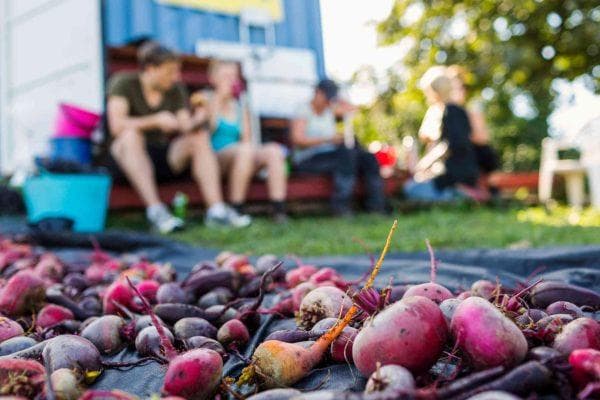
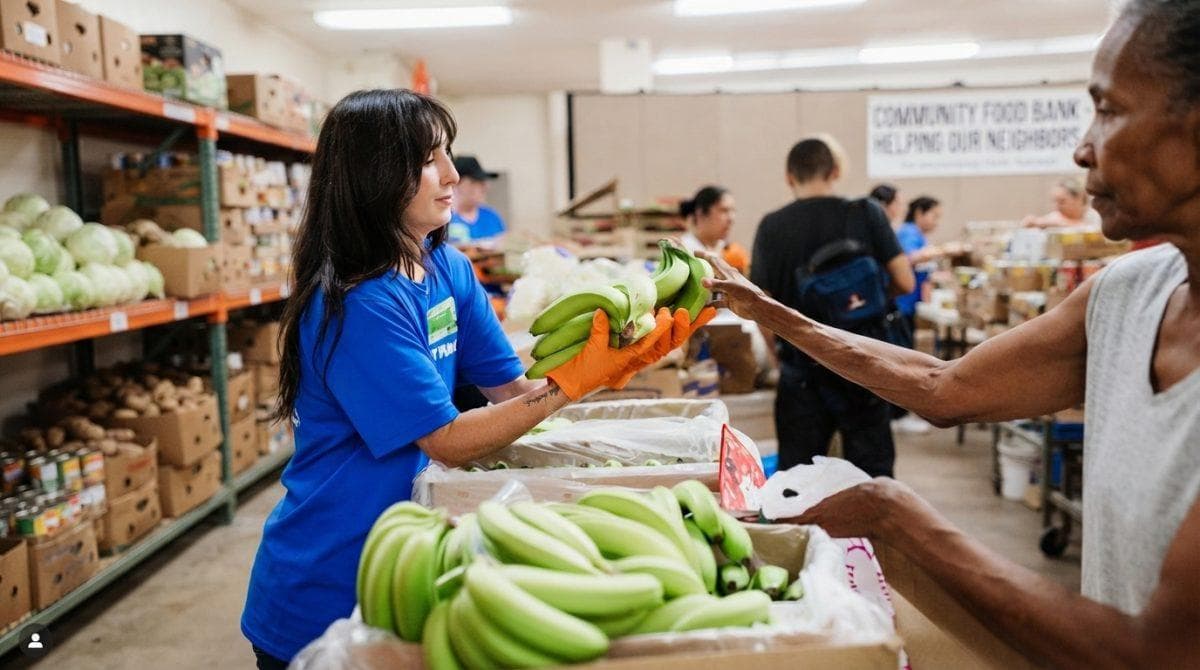
Latinos promote fresh food from the moment Dominican resident Jacinta Rivera decides to transform her diet after receiving a diabetes diagnosis at 56 years old, setting out to drastically reduce processed foods and artificial dyes; however, she quickly encounters an economic barrier affecting thousands of working families in New York who try buying healthy goods at local markets. Furthermore, the Verde Vida foundation distributes high-quality fruits and vegetables for free across public schools in Upper Manhattan and the Bronx, allowing the community to actively participate alongside volunteers and local leaders committed to public health.
On the other hand, project founders explain that food insecurity does not discriminate solely against unhoused individuals, but instead strikes hard at workers with formal jobs whose earnings barely cover rent and basic utilities; similarly, the non-profit organization collaborates closely with Hunts Point Produce Market distributors to rescue goods in optimal condition that prevent commercial waste. In the same way, these distribution events eliminate bureaucratic requirements or proof of income to safeguard attendee dignity, thus cementing a solidary model where quality nutrition becomes an accessible right for every resident throughout the metropolitan area.
How the fresh food movement transforms urban nutrition and community health
Specialists from the U.S. Department of Health and Human Services note that a vegetable-rich diet drastically reduces chronic illnesses within vulnerable urban environments; moreover, community organizers highlight that local residents actively participate in gathering fresh produce thanks to partnerships with 21 wholesale merchants. Equally, public schools transform during weekends into social integration centers where music and traditional recipe exchanges accompany the free delivery of nutritious food, although this fresh food movement showcases a profound cultural shift within younger generations’ diets.
Likewise, Verde Vida operates with the invaluable support of volunteers who dedicate free time to organizing fruit and vegetable boxes, preventing high supermarket prices from continuing to harm children and older adults; therefore, the initiative proves that grassroots solidarity can mitigate the most complex institutional gaps. Similarly, nutrition experts from the New York City Department of Health back these public awareness campaigns, acknowledging the positive impact driven by direct food distribution across 4 selected school districts in Manhattan and the Bronx.
Ver esta publicación en Instagram
Community impact and grassroots organization
-
Community leaders coordinate weekly logistics across 4 different school campuses to ensure working families receive appropriate products for daily consumption; likewise, the total absence of immigration requirements or income proofs fosters absolute trust among participating neighbors.
-
Local volunteers organize distribution stations where attendees freely select preferred vegetables based on culinary habits; additionally, this personalized dynamic sharply contrasts with traditional closed pantries pushing the fresh food movement through standardized packages without considering actual household needs.
-
Neighborhood residents share valuable advice regarding the conservation and preparation of fresh foods during each delivery event; therefore, the space evolves into an active hub of collective learning where traditional culinary culture strengthens bonds.
-
Project founders emphasize that rescued food retains intact nutritional properties and commercial quality; similarly, the constant commitment of wholesale merchants guarantees a steady supply of healthy provisions for the entire community.
Loading video...Loading Video
Overcoming barriers in urban neighborhoods
New York families facing tight budgets find significant financial relief from current food inflation through these school-based distributions; furthermore, founders recall that this fresh food movement seeks to eradicate the stigma tied to humanitarian aid through a festive and collaborative environment. In the same way, teacher and social worker participation strengthens community fabric across districts historically marginalized by a lack of healthy options at reasonable prices. As families continue claiming these spaces of solidary exchange and building mutual support networks, every school gathering proves that latinos promote fresh food.
