

WATCH NOW
Watch on the app















Invasive insect hiding in common plants has California on alert
-
Invasive insect alert California triggers an urgent withdrawal of ornamental vegetation across retail stores following the detection of a dangerous plaga en plantas.
-
This garden plant pest facilitates the spread of lethal bacteria, demanding immediate cooperation from homeowners to protect local biodiversity.
-
State authorities coordinate massive recovery efforts to eliminate contaminated specimens and prevent further damage to the regional agricultural sector.
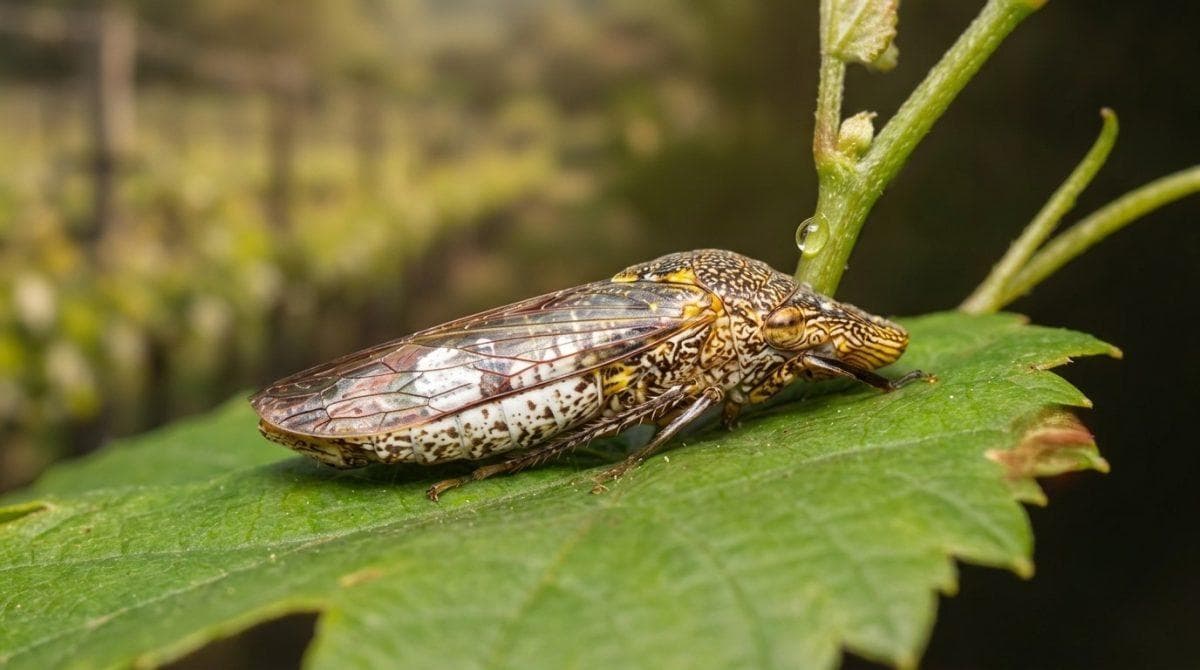
Invasive insect alert California mandates the immediate removal of hundreds of plants sold at major retailers like Costco after the confirmation of the glassy-winged sharpshooter in 24 counties since this July of 2026; the measure targets consumers who purchased vines between April and May, along with desert willows sold from late June through early July because the swift identification of these items prevents the garden plant pest from establishing permanent colonies in residential gardens.
Moreover, the insect transmits the Xylella, which causes Pierce’s disease, a condition that obstructs the vascular system of plants and leads to wilting, premature leaf drop and the ultimate death of the specimen; since California produces over 90% of U.S. wine grapes, the potential economic damage caused by this garden plant pest forces consumers to adhere to strict safety protocols to safeguard the integrity of the local industry against this growing threat.
Ver esta publicación en Instagram
The management of the invasive insect alert California
The biological profile of this insect worries experts because its ability to colonize new environments accelerates during warmer months, which complicates the eradication efforts currently undertaken by state agencies; this situation requires constant vigilance from property owners, who must monitor the life cycle of this invader to prevent rapid spread if they fail to apply the appropriate controls on recently purchased vegetation, thus avoiding that the environmental risk expands beyond commercial nurseries toward rural areas where the garden plant pest finds perfect conditions for rapid reproduction.
Additionally, representatives from retail chains cooperate closely with regulators to identify contaminated batches and facilitate secure collection at no cost to the buyer, a coordinated action that minimizes the dispersion of infected specimens; the specialized staff recommends avoiding the movement of original containers to other areas of the yard, as any unnecessary shift increases the potential for contagion toward other nearby species, complicating the risk management that defines the current garden plant pest throughout this health alert season in California.
Furthermore, community collaboration slows the advancement of the garden plant pest in affected districts such as Santa Clara, Alameda and Napa, where agricultural services urge the population to report any suspicious findings; the speed of the response ensures that infestation hotspots do not become permanent, for recent history shows that the lack of oversight in the 1990s caused millions in damages, a scenario that authorities seek to avoid by implementing rigorous recommendations dictated by current state guidelines.
Safety protocols against the garden plant pest
-
Keep the plant in its original container, keeping it completely isolated from all other nearby vegetation.
-
Avoid handling, planting, moving or attempting to compost any specimens suspected of infestation.
-
Contact the local county agricultural commissioner’s office immediately to coordinate safe collection.
-
Follow all official instructions for secure disposal instead of returning the plants to the retail store to mitigate the risks posed by this garden plant pest.
-
Verify if the species purchase occurred during the specific sales windows identified by the Department of Agriculture.
-
Report any sighting of the insect to strengthen the early detection of 100% of outbreaks.
Ver esta publicación en Instagram
Mitigation of logistical impact
The ongoing management of this garden plant pest requires a serious commitment when the threat of Xylella fastidiosa jeopardizes the sustainability of the Californian landscape, a situation that inspectors monitor meticulously to prevent further distortions in local ecosystems; the anticipation allows residents to manage risks before the insect finds new hosts, while they assume the responsibility of safeguarding biodiversity by properly disposing of the specimens that prompted the state-wide emergency recall.
Additionally, authorities intensify their operational protocols to manage information flow and collection logistics in the affected counties, ensuring that security procedures function despite the complexity of the operation; this incident demonstrates how a threat of this magnitude alters consumer priorities and transforms surveillance standards in the retail market, maintaining high expectations regarding the outcome that will determine the final effectiveness of the controls against the invasive insect alert California.
