

WATCH NOW
Watch on the app







Hispanic Heritage Month events where to find Latino festivals, concerts and free activities across the US
-
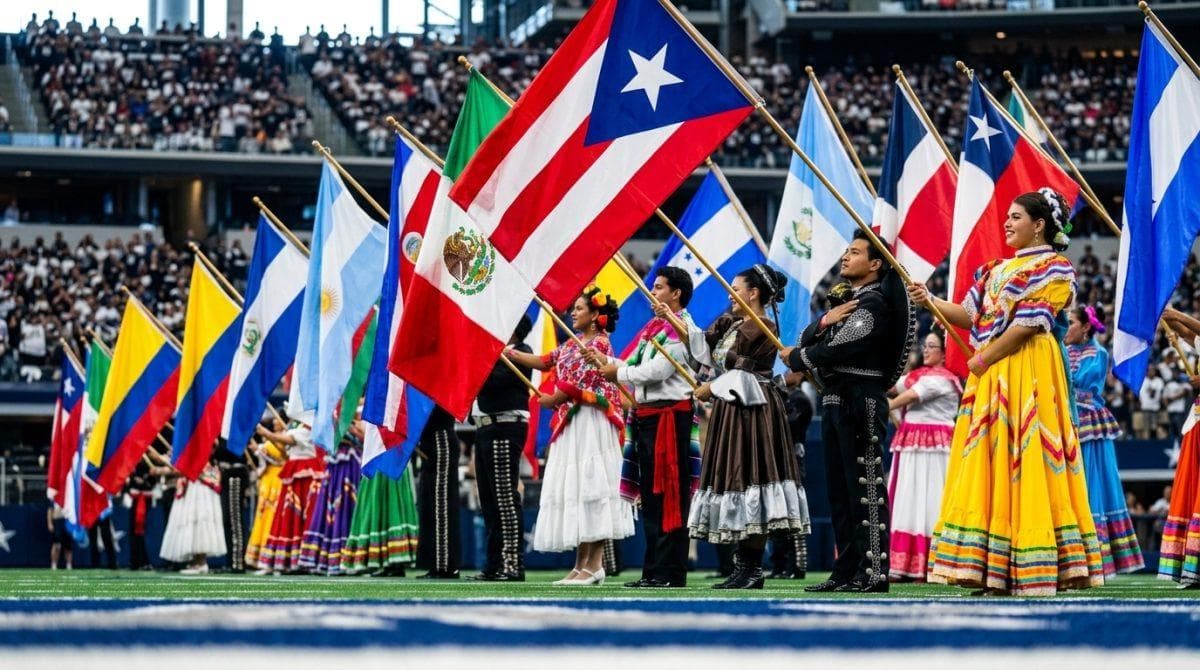
Latino cultural celebrations transform major metropolitan areas across the United States through massive parades, concerts and festivals, while national festivities highlight Latin American roots.
-
National festivities highlight Latin American roots and traditional gastronomy across diverse urban territories.
-
Urban sociology experts affirm that these commemorations deeply strengthen community cohesion.
Cultural celebrations during this Hispanic Heritage Month reach their peak in the United States during autumn while communities with Latin American roots commemorate their traditions and historical legacies with massive events that awaken a deep pride throughout the entire country; simultaneously, the beginning of national festivities coincides with the patriotic dates of several Central and South American nations, attracting over 3M participants in diverse urban territories, whereas urban sociology experts from Georgetown University emphasize that these commemorations strengthen community cohesion and boost the local economy through cultural tourism and traditional gastronomy.
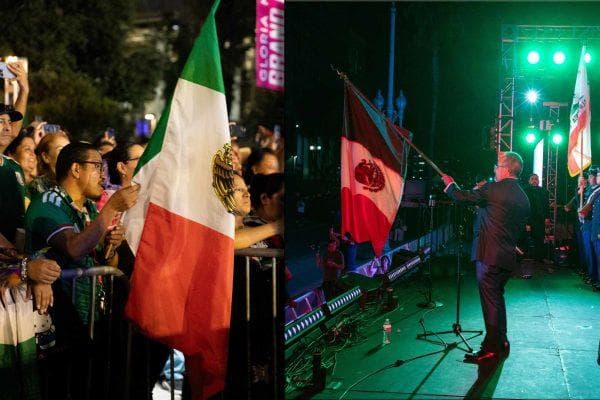
Between September 15 and October 15, 2026, multiple American metropolises undergo a major transformation via parades and artistic exhibitions, starting on September 15 alongside the independence days of Costa Rica, El Salvador, Guatemala, Honduras, and Nicaragua. Following closely, September 16 brings Mexico’s Independence Day, while September 18 marks Chile’s independence, with federal cultural institutions like the Smithsonian coordinating special programs nationwide across 50+ professional stadiums and public venues to honor this vibrant Hispanic heritage month.
Urban scenarios and key dates of Hispanic Heritage Month
Ver esta publicación en Instagram
Houston
The Texas metropolis hosts the traditional Salsa Festival, México en el Corazón, Día de la Hispanidad, and the Chicano Festival, featuring El Grito and Mariachi Herencia de México on September 15, the September 18 to 20 Houston Astros Hispanic Heritage Weekend series against Atlanta, the September 19 Fiestas Patrias International Parade and Midtown Park Salsa Festival, the September 26 Mexico en el Corazón and Miller Outdoor Theatre events, and the October 1 to 3 Chicano Festival, gathering thousands of spectators, while local families enjoy bilingual workshops and traditional dances at the Children’s Museum Houston to foster civic pride from an early age.
San Antonio
The historic district of San Antonio schedules over 40 activities highlighting the deep Hispanic heritage rooted in local architecture and traditions, culminating in the October 10 Mariachi Festival and Fiesta Alegría, alongside the September 12 45th Annual Dieciséis de Septiembre Parade, El Grito on September 12–13 at Historic Market Square, and Nuestras Voces on September 18–19; nevertheless, the annual mariachi festival at the Arneson River Theatre constitutes one of the most frequented tourist attractions by national and foreign visitors, while commemorative parades pay homage to independence heroes with the massive participation of school bands and folkloric dance groups.
National historical parks such as San Antonio Missions National Historical Park offer guided tours to explore ancient Spanish missions and the Spanish Governor’s Palace during these significant dates; subsequently, contemporary artistic exhibitions in local galleries like Culture Commons Gallery display works by prominent Mexican-American creators, resulting in a cultural experience in this region that combines historical memory with the vitality of modern artistic expressions, where numerous Latino cultural celebrations take place.
New York
The skyscraper city distributes its rich cultural programming across all 5 urban boroughs without depending on a single festive concentration point, leveraging the official NYC Tourism and NYC Parks calendars, as well as the Hispanic Heritage Waterfront Festival, Ballet Hispánico, and public library bilingual reading sessions; yet, public libraries and municipal parks organize bilingual workshops, poetic readings and cinematographic screenings of Latin American themes, while institutions specialized in Ibero-American art like the Hispanic Society Museum & Library maintain open doors with temporary exhibitions of great international relevance.
Contemporary dance groups present original performances fusing traditional rhythms with avant garde trends in metropolitan area theaters; similarly, street food festivals bring native flavors closer to residents of Manhattan and Brooklyn, ensuring through New York’s demographic diversity a plural offering celebrating multiple national identities simultaneously, driven forward by dynamic Latino cultural celebrations.
Miami: Main Events and Urban Art
The vibrant Caribbean atmosphere permeates every corner of Miami during the commemorative weeks with international-renowned musical events at the Adrienne Arsht Center cultural hub, anchored by the September 29 to October 4 Buena Vista Social Club performances and coordinated through Miami-Dade County (“Unidos, Somos Más”) and Miami and Beaches calendars; however, the iconic Little Havana neighborhood maintains constant activity with street art presentations and traditional Cuban coffee samples, while county authorities coordinate health fairs and community forums under the unifying motto of regional integration, amplified by annual Latino cultural celebrations.
Coastal rhythms and contemporary design
The coastal spaces of Miami Beach host open-air concerts combining tropical rhythms with contemporary electronic fusions very popular among youth; likewise, art galleries in the Miami Design District exhibit works by Caribbean and South American creators residing in the state, making the festive offering an authentic reflection of the multicultural and cosmopolitan character of the southern Florida region, enhanced significantly by Latino cultural celebrations.
Los Angeles
The Californian metropolis offers historical tours through the emblematic Olvera Street, El Pueblo de Los Angeles and Mariachi Plaza, honoring the foundational roots of the local Latino community under the guidance of the Department of Cultural Affairs and Discover Los Angeles, alongside the Los Angeles Libros Festival; nevertheless, the annual literary festival gathers recognized Spanish-speaking authors and poets to debate identity and contemporary literature, alongside imposing urban murals adorning different neighborhoods that serve as educational canvases on past social and cultural struggles.
Community cultural centers organize independent film screenings and plastic arts workshops oriented toward children and youth; likewise, merchant associations sponsor gastronomic fairs celebrating the culinary variety of Central and South America, allowing the Angeleno celebration to transcend mere entertainment to become a profound exercise in historical memory and community pride, strongly anchored in Latino cultural celebrations.
Chicago
The Windy City integrates top tier museum offerings from Choose Chicago and the Field Museum with traditional celebrations in the Pilsen and Little Village neighborhoods; however, scientific and cultural exhibitions focused on Latin American civilizations run throughout the entire commemorative month, while local community organizations promote indigenous craft fairs and documentary film screenings in civic centers. Public library networks coordinate bilingual book clubs and keynote lectures on the history of Latino labor movements in the Midwest; additionally, local musical groups offer free concerts in emblematic urban parks, perfectly balancing the urban agenda between academic rigor and the joy of traditional popular festivities, inspired continuously by Latino cultural celebrations.
Ver esta publicación en Instagram
Ancestral flavors and family recipes bridging generations
Cultural festivals linked to commemorations represent an exceptional platform for exhibiting traditional crafts and tasting regional typical dishes, complemented by special regional milestones such as the September 27 celebration at the International Museum of Art & Science in McAllen, Texas; however, the logistics of these massive gatherings require close coordination between local governments and community leaders to guarantee accessible and safe spaces, while live music featuring salsa, cumbia, and mariachi bands animates public plazas during peak weekend attendance.
Food historians collaborating in cultural programs emphasize that Latin American cuisine reflects a complex miscegenation among indigenous, European and African cultures; additionally, master cooking classes and guided tastings allow the general public to understand the historical origin and evolution of emblematic dishes like pupusas, tamales and mole, thereby strengthening through senses and shared enjoyment at the community tables of Hispanic Heritage Month.
Ver esta publicación en Instagram
