

WATCH NOW
Watch on the app















Millions of mosquitoes are headed to California as Google backs unusual disease-fighting plan
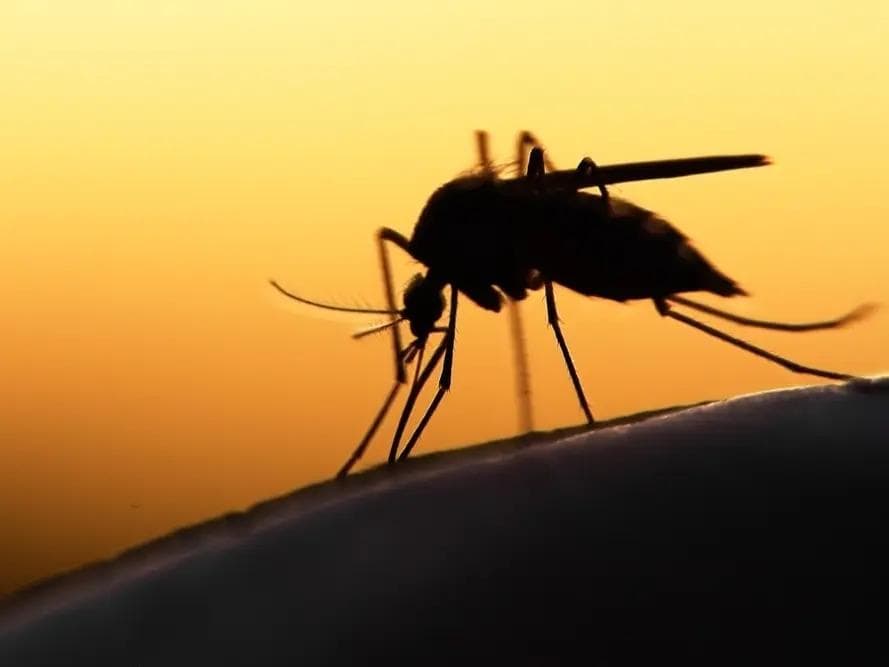
- Google plans to fight viruses like dengue through advanced biotechnology and the massive release of sterile insects in key urban areas.
- The innovative Alphabet disease-fighting plan deploys automated laboratories and precision robotics to halt the spread of viral diseases.
- Millions of genetically modified California mosquitoes will soon arrive in local communities to alter the reproductive cycle of wild insects.
The Golden State will transform into the testing ground for one of Silicon Valley’s most radical public health strategies; millions of insects modified in automated laboratories will travel directly to key urban areas of California to curb dangerous diseases.
The initiative, led by Google’s parent company, seeks a federal permit from the Environmental Protection Agency (EPA). The project contemplates releasing up to 32 million treated California mosquitoes in specific neighborhoods over the next two years.
What the unusual Alphabet disease-fighting plan implies
This intervention belongs to Debug, a biotechnology project that the tech corporation has been developing under strict scientific control for a decade. The Alphabet disease-fighting plan uses advanced artificial intelligence algorithms to coordinate the mass breeding and optical sorting of these specimens.
The main objective is to eradicate endemic diseases such as dengue, Zika and West Nile virus at their roots. To achieve this, scientists mass-breed male mosquitoes of the Culex species, which are directly responsible for transmitting these infections in the urban environment.
How the local ecosystem will react
The science behind this massive deployment consists of infecting males with the Wolbachia bacteria, a naturally occurring microorganism. When these laboratory California mosquitoes mate with wild females, the fertilized eggs die automatically, progressively reducing the species’ total population.
Researchers confirm that this massive release will not increase annoying bites for local residents in the chosen areas. Only females bite humans to obtain blood proteins, while the released males feed solely on plant nectar.
Divided opinions in the communities
The use of advanced robotic technology optimizes insect distribution in areas with the highest biological risk. Local vector control agencies support this Alphabet disease-fighting plan because traditional chemical pesticides no longer show the same effectiveness against plagas.
The EPA will receive public comments on this scientific proposal until June 5 before issuing its final verdict; while some residents fear ecological surprises from the arrival of the laboratory California mosquitoes, experts defend the safety of the biological process.
