

WATCH NOW
Watch on the app















Why the same groceries are taking a much bigger bite out of your paycheck
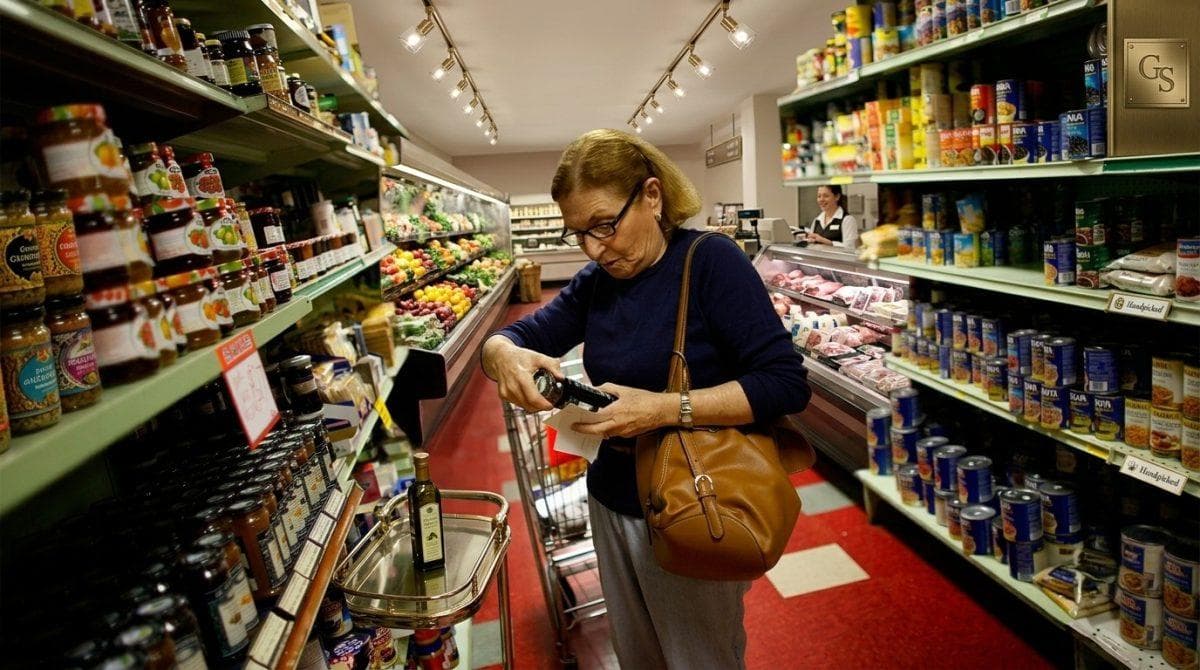
- Grocery inflation reduces the purchasing power of consumers by forcing families to switch brands and adjust their dietary habits.
-
The constant increase in the cost of basic groceries puts significant pressure on family budgets across the United States since 2020.
-
Economic specialists suggest practical strategies to optimize weekly spending through stricter financial planning at home.
Food prices increase show an uninterrupted rise in the United States since 2020, a situation that directly impacts the economy of millions of households facing a 23% cumulative jump in the cost of their basic basket; data released this Tuesday, July 14, 2026, by the Bureau of Labor Statistics confirm that families today allocate nearly $1.2K more per year just to cover basic nutritional needs, a phenomenon that persists despite a recent moderation in the country’s general inflation while dealing with constant grocery inflation.
Moreover, diverse factors such as global supply chain disruptions, rising transportation costs and wage increases in the agricultural sector explain this persistent financial situation affecting the entire national territory; the economic reality compels individuals to modify their consumption habits, choosing cheaper alternatives or reducing fresh produce purchases to avoid financial imbalances, while institutions continue monitoring how the generalized rise in food costs alters the quality of life for the American population.
The impact of grocery inflation
Official statistics reveal a complex landscape, where essential items like eggs show increases exceeding 60% at critical points, while beef accumulates a 25% hike; this distortion in the value of basic inputs means that a $500 monthly bill in 2020 now transforms into an expense exceeding $600, evidencing a substantial loss in the real purchasing power of the working class during this cycle of sustained price hikes.
Furthermore, the gap between preparing meals at home and eating at restaurants narrows significantly, as the foodservice sector passes operating costs to the final consumer by raising its rates by up to 6% annually; against this backdrop, low-income families cut back on high-quality protein consumption or sacrifice the nutritional variety of their meals, seeking to maximize every dollar available amidst the relentless pressure generated by grocery inflation on family income.
Additionally, understanding that the adjustment does not respond solely to the current juncture, but rather to structural changes in logistics costs derived from international conflicts that alter the supply of fertilizers and basic grains remains vital; this reality forces analysts to project a prolonged adaptation in purchasing habits, where rigorous expenditure control becomes the only effective tool to navigate this extended phase that limits access to essential goods.
Strategies to optimize the budget
-
Families systematically acquire generic or store-brand labels instead of leading commercial brands.
-
Consumers use digital coupons and loyalty programs offered by retail chains intensively.
-
Households plan weekly menus rigorously to minimize waste and unplanned impulsive purchases.
-
Shoppers strategically select seasonal agricultural products that offer lower costs per kilogram.
-
Families reduce visits to fast-food establishments to prioritize home cooking.
-
Individuals constantly monitor prices in different supermarkets using specialized mobile applications during this grocery inflation.
Ver esta publicación en Instagram
Recommendations for family economy
In addition, intelligent management of the household budget allows for monthly savings ranging between $50 and $100, a figure that provides a necessary relief against the constant rise in the cost of living; expert recommendations emphasize that discipline in daily spending represents the primary strategy to mitigate negative effects, allowing consumers to maintain some stability in the face of grocery inflation.
Likewise, families favor financial health by transitioning toward a diet based on low-cost but high-nutritional-value products without totally compromising the nutritional quality of members; while financial authorities such as the Federal Reserve seek to stabilize markets, individual commitment to economic education constitutes the fundamental pillar to navigate the persistent and exhausting trend that continues to define food prices increase.
