

WATCH NOW
Watch on the app







Florida couple bought 45 acres to keep developers away what the land became years later is remarkable
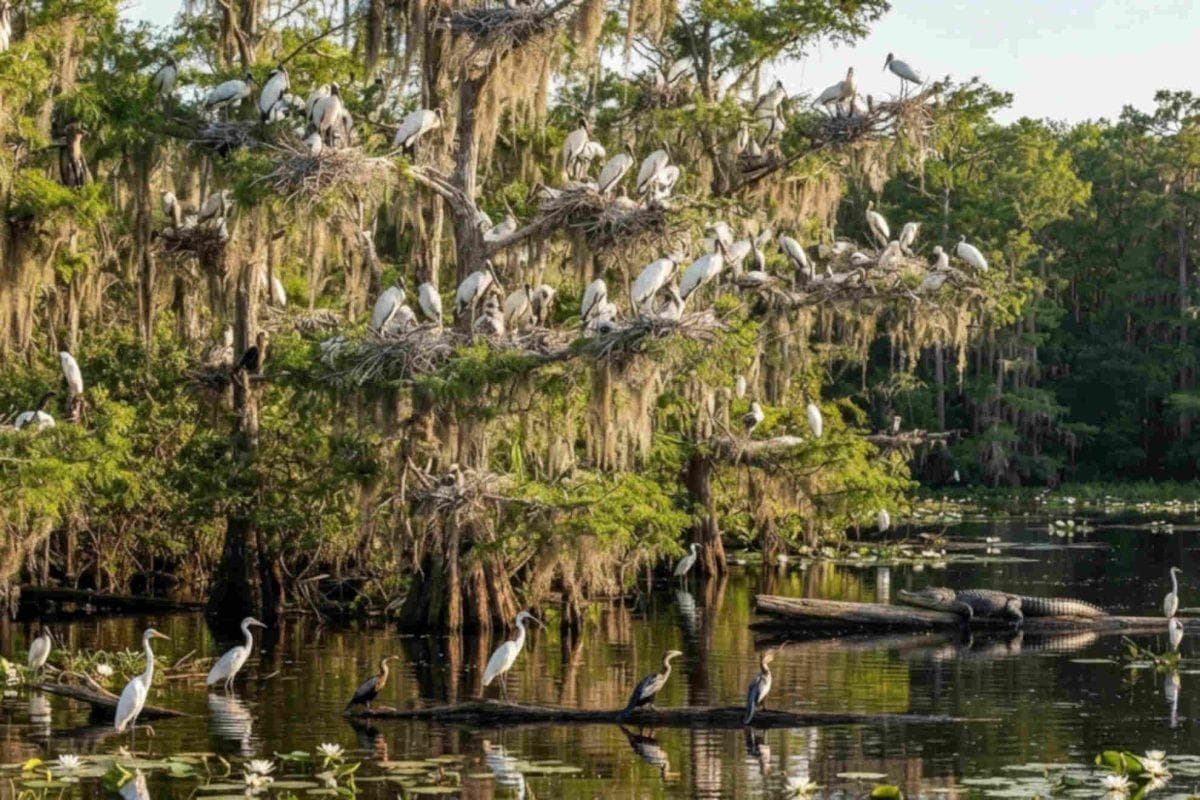
- Jim Stevenson and Tara Tanaka acquired an 18-hectare wetland in Florida with the firm purpose of protecting it against unbridled urbanization.
- What began as a purchase to halt real estate development transformed, after fifteen years of active management, into a flourishing wildlife ecosystem.
- The private sanctuary currently harbors 275 nesting pairs of wood storks, alongside an extraordinary variety of birds, gators and native mammals.
Purchasing land for speculative purposes to build a house or develop an urban project stands as the norm in high-demand areas like Florida; however, Jim Stevenson, a retired biologist, and Tara Tanaka, a nature photographer, form a couple who decided to swim against the current driven by a deep love for the environment they inhabited near Tallahassee since the 1990s.
Aware of the fragility of the cypress wetlands close to their home and the dependence of multiple animal species on this ecosystem, they finalized the purchase of 45 acres, about 18 hectares, in the year 2007. Their primary goal did not involve enjoying the property privately, but rather managing it as a sanctuary free from the threat of real estate development, securing a vital space for wildlife.
Fifteen years of active conservation and the return of the wood storks
For this Florida couple, acquiring the land represented merely the first step, since they understood mere ownership failed to guarantee the ecological health of the place against invasive species and hydrological alterations; therefore, they dedicated three lustrums to a laborious active restoration of the swamp, long before even formalizing the purchase. Stevenson focused on manually removing Chinese tallow trees, an invasive species threatening to displace native vegetation, while both implemented strategies to control vegetation and maintain adequate water levels for birds. The result of this sustained effort remains evident: the United States Fish and Wildlife Service (USFWS) counted a total of 275 nesting wood storks in 2022, a historic figure for a species that faced extinction threats in the United States.
Beyond birds: A diverse ecosystem with unexpected allies
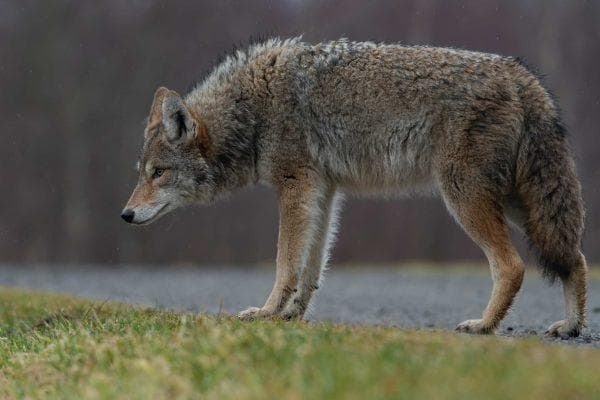
The success of the wildlife sanctuary is not limited exclusively to storks, because the habitat restoration attracted an extraordinary variety of fauna, turning the 18 hectares into a key biodiversity hotspot. In addition to wood storks, the location created by the Florida couple to stop real estate development receives frequent visits from great blue herons, egrets, anhingas, wood ducks and gallinules, while bobcats, foxes, otters, beavers and coyotes inhabit the dry land. Curiously, alligators play a fundamental and beneficial role in this ecosystem restored by Jim Stevenson and Tara Tanaka. These reptiles act as natural allies by keeping predators like raccoons away, which frequently attack bird nests built in trees surrounded by water to protect eggs and hatchlings.
A Florida couple bought 45 acres of swamp to stop it from being developed. The land is now home to hundreds of nesting wood storks and plenty of other wildlife. Sometimes conservation starts with two people simply refusing to let a place disappear. https://t.co/qnm22XfgG3
— Evan Kirstel #B2B #TechFluencer (@EvanKirstel) August 20, 2026
A legacy of permanent conservation to protect the wetland
On the other hand, committed to long-term preservation and fearful that future owners might reverse their environmental achievements with this wildlife sanctuary, the couple made a crucial decision in 2016. They established a permanent conservation easement on the property, a legal mechanism keeping the land in private hands while forever restricting any type of real estate development that could damage its ecological value. This action guarantees that the 45-acre sanctuary remains a refuge for Florida wildlife beyond the lives of Jim Stevenson and Tara Tanaka. Finally, the history of this swamp demonstrates how an individual decision can halt real estate development and generate a significant positive impact on the recovery of threatened species, transforming a threatened corner into a vibrant and protected ecosystem.
