

WATCH NOW
Watch on the app













9/11 left an invisible threat that is still killing FDNY members 25 years later
-
The lasting impact of the attacks continues to deeply affect post-9/11 illnesses within the New York emergency personnel, while public health institutions update mortality statistics after 25 years of consistent medical monitoring.
-
Commissioner Lillian Bonsignore detailed through a recent report that over 600 members of the Fire Department have passed away from conditions stemming from their work at ground zero, evidencing that the emergency stretched across decades.
-
Medical specialists emphasize that prolonged exposure to toxic substances during rescue operations transformed a few hours of tragedy into a permanent health battle, forcing authorities to implement preventive diagnostic protocols.
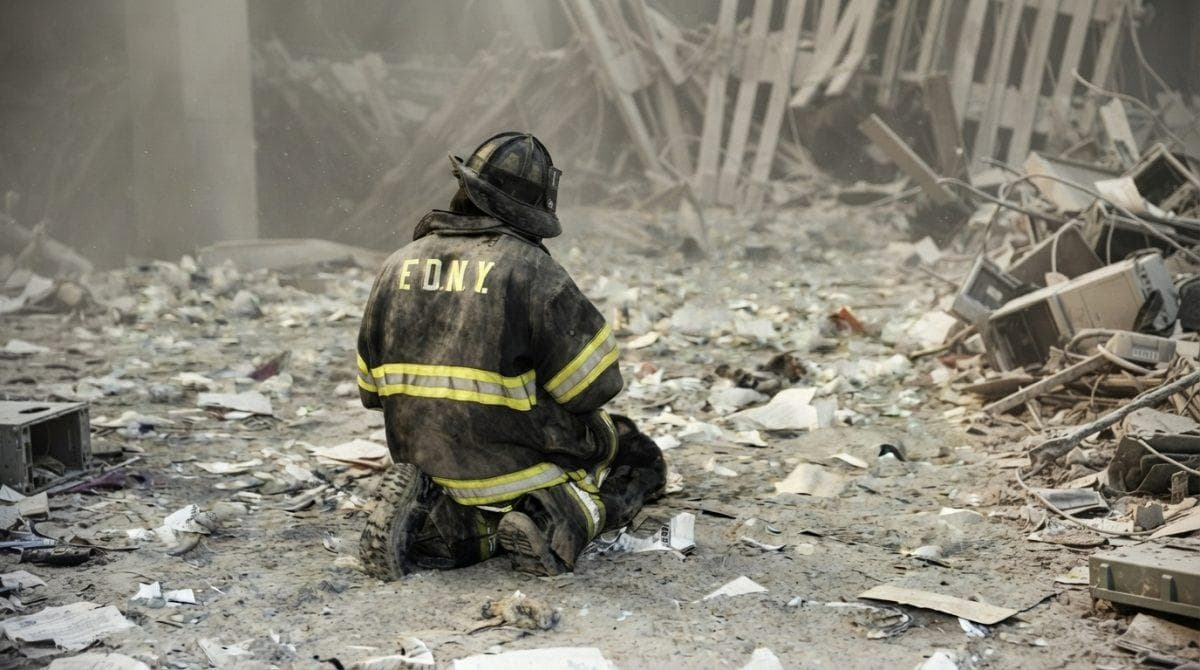
FDNY members from 9/11 experienced a catastrophe that concluded within hours for most citizens, but for thousands of public servants attached to the department, the attacks unleashed an invisible health crisis that continues claiming lives 25 years later in New York; meanwhile, a report released by ABC 7 NY exposes that more than 600 operators have died due to complications derived from their prolonged labor among the World Trade Center rubble, demonstrating that the harmful effects of dust and chemicals endure within the medical records of rescuers.
Initial response teams spent nearly 10 months in the affected area performing firefighting and recovery tasks, exposing themselves continuously to toxic agents that triggered severe pulmonary and oncological conditions; likewise, official statistics indicate that nearly 16,000 firefighters have enrolled in specialized medical monitoring programs, where over 12,000 have received positive diagnoses of diseases directly associated with the attacks and remain under constant clinical supervision.
Epidemiological analysis and morbidity in FDNY members from 9/11
Medical records compiled by health institutions show that close to 5,000 enrolled firefighters have developed various types of cancer, recording further that 26% of these patients suffer multiple pathologies simultaneously; furthermore, Doctor David Prezant explained that rigorous monitoring enables early diagnoses that drastically increase the life expectancy of those affected, achieving a survival rate of 86% among patients diagnosed with malignant tumors 5 years after initial discovery.
Municipal authorities allocated nearly $4,000,000 to a public health research firm to clarify what information government bodies possessed regarding environmental pollutants released following the collapses; in contrast, the prolongation of this health crisis demonstrates that the disaster’s impact surpassed the mortality figures recorded during the day of the attacks, establishing post-9/11 illnesses as an absolute priority for current medical services.
Clinical protocols and specialized therapeutic options
-
Health protocols require mandatory annual pulmonary reviews to detect post-9/11 illnesses or other chronic obstructions before they compromise patient mobility.
-
Free access to advanced oncological treatments through the World Trade Center Health Program guarantees that rescuers receive comprehensive care without assuming disproportionate financial burdens for their public service.
-
Continuous psychological evaluations form a fundamental part of the program to address post-traumatic stress disorders accumulated during rescue operations.
-
Scientific committees constantly evaluate novel pharmacological therapies aimed at improving the respiratory function of those who inhaled fine concrete and metal particles.
Ver esta publicación en Instagram
Economic and legal consequences of the health crisis
The magnitude of fatalities recorded among operational personnel forced a reallocation of budgets designated for the economic compensation of families affected by these chronic post-9/11 illnesses, backed nationally by legislation like the James Zadroga 9/11 Health and Compensation Act; conversely, legal departments analyze files accumulated over a quarter-century to determine institutional responsibilities regarding the inadequate protection of workers during the opening months following the disaster.
Labor organizations denounce that the lack of proper protective gear during the initial weeks of the emergency sealed the tragic fate of hundreds of public servants; therefore, demands for justice and additional economic resources permeate the legislative agendas of New York as FDNY members from 9/11 march steadily toward tomorrow.
