

WATCH NOW
Watch on the app















Fatty liver disease, the silent condition affecting millions of Latinos in the U.S.
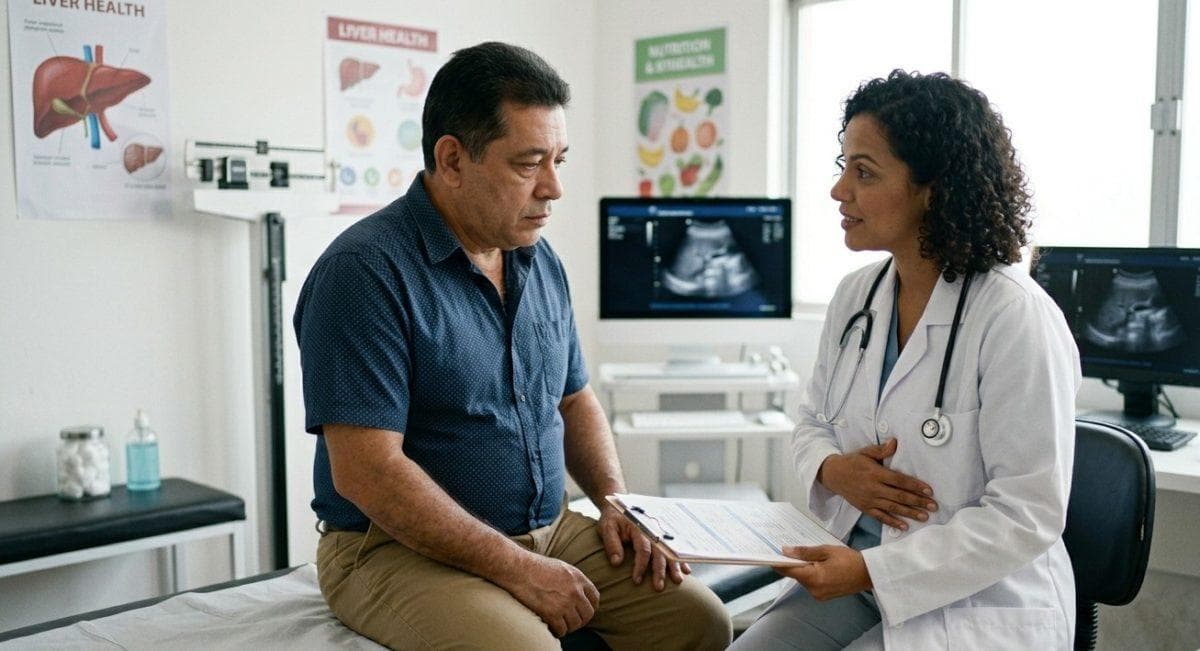
- The growing incidence of fatty liver disease in Latinos represents a priority public health challenge due to the severe cellular damage it generates in liver tissue.
- This metabolic condition progresses in a completely asymptomatic manner, altering essential filtration functions before manifesting obvious clinical complications.
- The development of therapeutic interventions based on dietary restructuring and constant exercise constitutes the fundamental strategy to reverse the damage.
The presence of fatty liver disease in Latinos constitutes a growing medical concern due to the severe accumulation of fat in liver cells, this being a silent condition that alters the functions of this vital organ without manifesting clinical warning signs during the initial stages.
Implementing a balanced diet regimen along with constant physical activity represents the most effective strategy to halt its progression.
Overall well-being depends on the correct functioning of the organism; therefore, understanding the magnitude of fatty liver disease in Latinos results in an urgent scientific priority to protect international public health.
The impact of fatty liver disease in Latinos and its asymptomatic development
This pathology develops when the body stores a drastic excess of lipids in the liver tissue, so that the organ experiences severe difficulties in filtering toxins adequately; because it does not generate immediate pain, most patients discover the condition through routine blood tests.
Metabolic risk factors that accelerate fat accumulation
Current medical research associates obesity and type 2 diabetes as the primary triggers of this health problem. Furthermore, suffering from high blood pressure or registering high levels of LDL cholesterol and triglycerides directly increases the odds of facing this alteration.
Clinical symptomatology in advanced stages of the condition
When fat accumulation causes severe internal inflammation, the body begins to manifest obvious physical signs, so that the signs described by specialists in advanced phases include:
-
Extreme tiredness or debilitating fatigue without apparent prior effort.
-
A feeling of heaviness or uncomfortable pain in the upper right quadrant of the abdomen.
-
Noticeable loss of appetite that usually comes accompanied by unexplained weight loss.
-
Jaundice, manifested as a yellowish coloration of the skin and the sclera of the eyes.
-
Fluid retention that generates visible edema in the lower extremities or in the abdominal area.

Main physical signs and clinical symptoms of advanced stages of liver condition due to severe internal inflammation.
Intervention protocols and habits for liver regeneration
Scientific evidence demonstrates that liver tissue possesses an amazing capacity for regeneration if daily behaviors are modified in time, meaning that, in the first place, it is essential to completely eliminate alcoholic beverages in addition to minimizing refined sugars and highly processed foods.
On the other hand, performing a minimum of 150 minutes of moderate exercise per week activates metabolic performance.
This consistency in training helps to decrease accumulated fat deposits, transforming general health indicators in a positive way.
