

WATCH NOW
Watch on the app















Champions League 2025-26 tiebreaker rules explained and how standings are decided
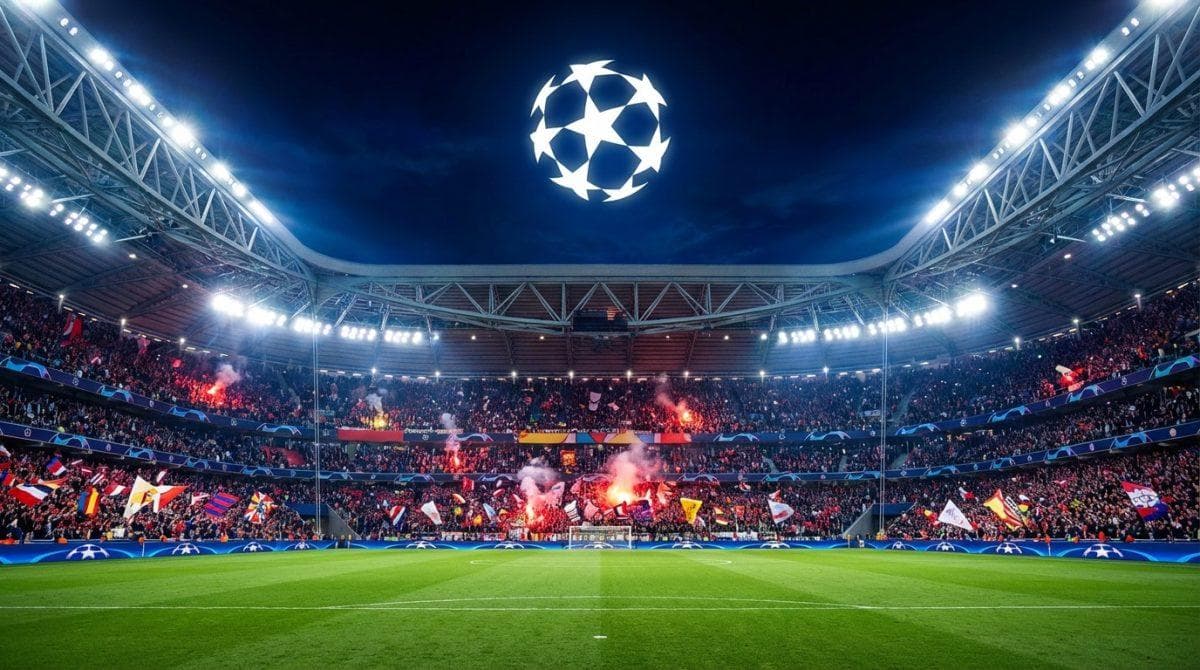
In the new Champions League format, goal difference and attacking output can be the line between a direct spot in the round of 16 and a demanding play-off
With several teams tied on points, factors like away goals, total wins and results against strong opponents become decisive
The margin for error is razor-thin: One card, one conceded goal or a narrow defeat can reshuffle the table and completely change a club’s European fate
The Champions League enters its most decisive moment of the 2025-26 season. As the league phase nears its end and 18 matches kick off simultaneously on the final matchday, calculators take center stage. Points still matter, but tiebreakers now play a decisive role in determining who advances directly to the round of 16, who must face the play-offs and who exits the competition.
Teams like Arsenal and Bayern Munich have already secured direct qualification. The picture looks far tighter elsewhere, especially in the middle of the table, where several clubs arrive level on points.
Why tiebreakers matter more than ever in the Champions League
The new Champions League format amplifies the value of every goal. During the league phase, teams must focus not only on winning, but on how they win. Goal difference, goals scored away from home and even disciplinary records can separate a direct qualifier from a team forced into an extra round.
Ahead of the final matchday, as many as eight teams sit tied on 13 points, from sixth to thirteenth place. In that scenario, every official criterion comes into play to sort the final standings.

Official Champions League tiebreakers for 2025-26
UEFA established a clear, hierarchical list to resolve ties on points during the league phase. Officials apply these criteria in order until they determine a final position.
-
Goal difference and attacking output: Teams rank first by goal difference, then by total goals scored and goals scored away from home, rewarding aggressive and consistent attacks.
-
Competitive performance and context: Officials consider total wins, away victories and the collective strength of opponents faced, adding a difficulty factor to each schedule.
-
Discipline and UEFA coefficient: If teams remain tied, disciplinary points come next, followed by the club’s UEFA coefficient as a last resort.
These rules explain why, on equal points, clubs like PSG or Newcastle may rank above other contenders thanks to superior goal difference or attacking efficiency.
What happens if teams tie in the knockout rounds
These criteria apply only to the Champions League league phase. Once the competition moves into the play-offs and knockout rounds, the rules change completely.
If a tie remains level after 180 minutes across both legs, teams play a 30-minute extra time, split into two 15-minute halves. If the score stays even, a penalty shootout decides the winner, with no away-goals rule or statistical tiebreakers involved.
A league phase defined by maximum tension
The 2025–26 Champions League proves that every detail matters. One extra goal, one fewer booking, or one away win can decide a club’s European destiny. In a tournament where the elite compete at the limit, understanding the tiebreakers helps fans read the table, and anticipate the high-stakes clashes still to come.
