

WATCH NOW
Watch on the app















Urgent warning in California town over sewage spill after error
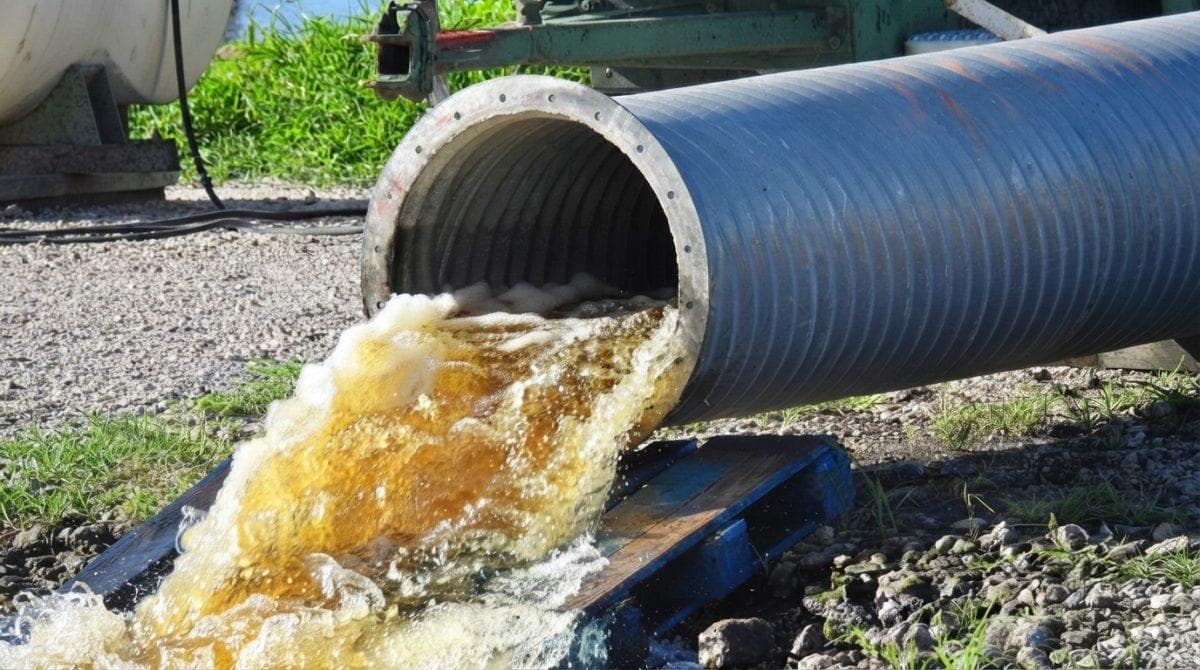
-
Sewage spill in California forces local authorities to close popular beaches throughout the July 4th holiday weekend.
-
The Orange County Health Care Agency is actively monitoring levels of wastewater contamination to ensure public safety.
-
Officials strongly urge the public to avoid all water-based activities in the affected area until water quality testing meets safety standards.
A significant Sewage spill in California struck the coastline of Laguna Beach this Thursday, July 3, 2026, triggering the immediate closure of a 0.5-mile stretch of Thalia Beach following a mechanical failure in a sewer line pump; consequently, this health incident, officially confirmed by the Orange County Health Care Agency, mandates restricted access for swimmers and surfers to mitigate the severe biological risks stemming from the discharge of approximately 2,000 gallons of toxic waste into the marine ecosystem.
Local institutions coordinate intensive containment efforts as Orange County Supervisor Katrina Foley assesses the extent of the environmental damage to local infrastructure and the direct impact on marine wildlife; simultaneously, technical crews repair the main force pump, while the Department of Environmental Health prioritizes constant monitoring of wastewater contamination to determine the precise date for public reopening and protect beachgoers from the harmful effects of wastewater contamination.

Warning signs regarding the major sewage spill in California.
Impact of the sewage spill in California on the coastline
Local authorities cordoned off a 0.25-mile stretch north and south of Anita Street, completely prohibiting all recreational use of the ocean during this holiday period due to the persistent presence of wastewater contamination; consequently, lifeguards and beach patrol units remain stationed at all entry points to ensure compliance while protecting the public from unintended exposure to hazardous bacteria that often accompanies these types of discharges.
Dedicated maintenance crews work around the clock to repair the main sewer line pump, aiming to halt the discharge of waste into the Pacific Ocean as quickly as possible; furthermore, these specialized teams utilize heavy-duty bypass equipment to capture escaping sewage before it migrates further into sensitive coastal habitats, thereby minimizing the total volume of contaminants entering the surf zone.

Identifying the perimeter of the recent sewage spill in California.
Teams from the Orange County Health Care Agency conduct daily bacteriological water quality tests, awaiting levels within permitted ranges following the initial report of wastewater contamination; meanwhile, these experts analyze water samples for specific fecal indicator bacteria to determine when the environment has sufficiently recovered, as safety remains the primary mandate before officials lift the current swimming, surfing, and diving restrictions.
Safety protocols regarding wastewater contamination
Current regulations strictly prohibit swimming, surfing and diving within the cordoned zone, given that direct contact with wastewater contamination exponentially increases the risk of contracting gastrointestinal illnesses, respiratory infections, or severe skin irritations; furthermore, Supervisor Katrina Foley reiterated that authorities will keep the closure in effect for a minimum of 3 days, although officials could extend this measure significantly if laboratory results confirm that wastewater contamination levels continue to exceed state standards permitted for human recreation.
Health officials maintain a rigorous epidemiological surveillance perimeter to identify any public health incidents resulting from this event, while they request that citizens strictly respect all warning signs posted throughout the affected shoreline and they emphasize that this proactive monitoring includes tracking potential spikes in localized waterborne pathogens or community-reported cases of skin rashes and gastrointestinal distress, as well as coordinating directly with local urgent care centers to ensure that medical providers receive alerts regarding the recent sewage discharge.
Preventive measures against wastewater contamination
Public health experts insist that the population avoids any contact with ocean waters, including in adjacent areas where signage might not be visible, as ocean currents can easily displace wastewater contamination throughout the entire Orange County coastline; additionally, medical personnel emphasize the importance of reporting any physical discomfort, such as skin irritation, fatigue or stomach symptoms, immediately after experiencing accidental contact with the area impacted by wastewater contamination.
On the other hand, federal environmental protection agencies maintain a constant flow of information through digital platforms, ensuring that the public knows the status of the coast before planning any visits to beaches in Orange County currently affected by the Sewage spill in California.
