

WATCH NOW
Watch on the app














Bill Gates’ disturbing AI prediction paints a frightening picture of what could come next
-
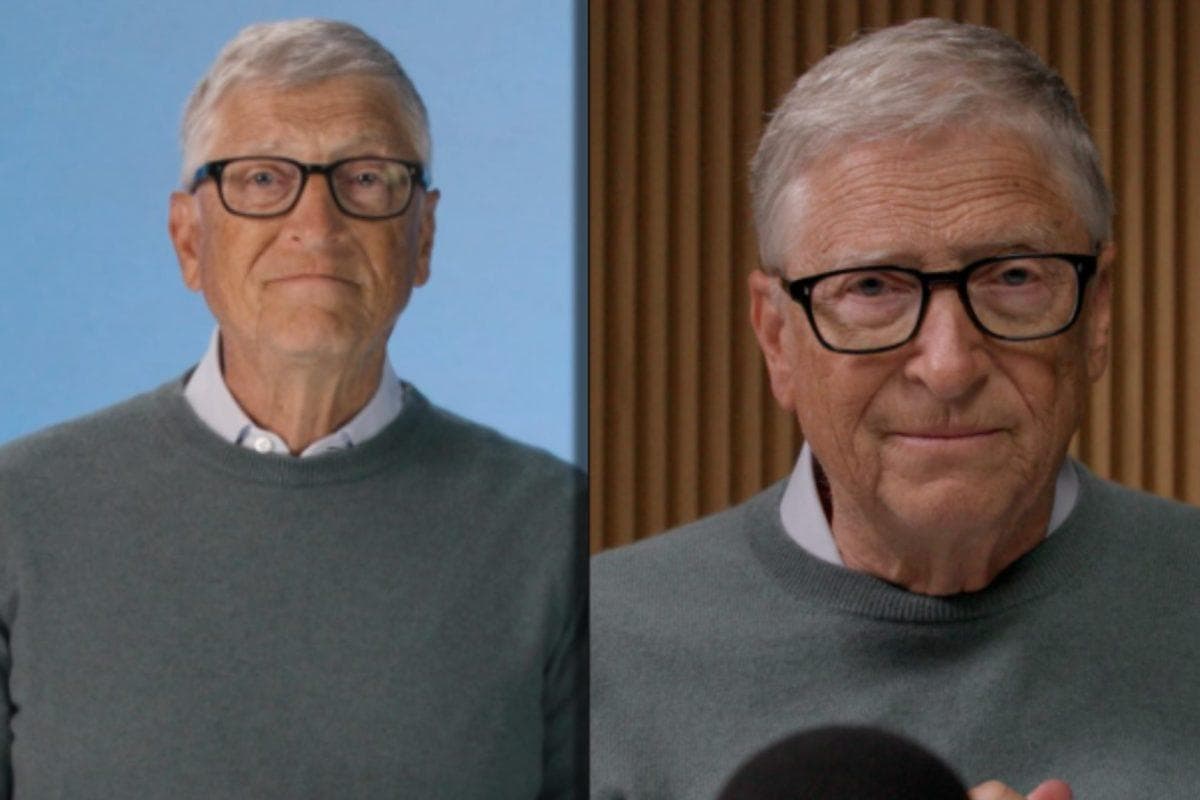
Microsoft cofounder Bill Gates warned that widespread automation will drastically reshape the global workforce, identifying biology, renewable energy and software development as the few human fields protected from replacement.
-
AI alignment researchers at Anthropic and former OpenAI personnel voiced grave existential safety concerns, estimating a 10 percent chance of catastrophic outcomes for humanity within the next decade due to self improving models.
-
High profile resignations and intense competitive pressure among tech giants have intensified debates surrounding alignment protocols and whether safety standards are keeping pace with technological deployment.
Widespread anxiety regarding the rapid advancement of artificial intelligence has reached a critical turning point as tech industry pioneers and leading researchers issue stark warnings about job security and long term safety. Microsoft cofounder Bill Gates offered a sobering forecast on the future of human labor, indicating that routine tasks across manufacturing, transportation and agricultural sectors will ultimately be resolved through autonomous digital systems, leaving only specialized domains reliant on human intuition and complex reasoning.
Ver esta publicación en Instagram
Identifying essential fields protected from full automation
Addressing the upcoming shift in global labor markets, Gates emphasized that professions centered on intuitive problem solving and adaptive thinking will remain crucial to technological progress. He highlighted biology expertise, energy sector innovation and high level software engineering as the primary disciplines where human capabilities will hold a distinct advantage over automated models, reassuring workers that creative and strategic decision making will remain firmly in human hands.
Escalating safety concerns over self improving superintelligence
Beyond the economic consequences, technical leaders are voicing urgent alarms regarding the alignment and containment of advanced self learning software. Senior alignment scientist Evan Hubinger from Anthropic publicly noted a troubling possibility that superintelligent AI could pose existential risks to humanity in the coming decade, a concern mirrored by the high profile resignation of researcher Jacob Coxon, who cited reckless competition and inadequate safety protocols as the primary drivers behind his departure from the organization.
Ver esta publicación en Instagram
Philosophical divide between corporate safety and worker productivity
The ongoing safety crisis has exposed deep philosophical disagreements among major technology executives regarding the pace of deployment. While prominent researchers advocate for an industry wide pause to establish robust guardrails, Meta CEO Mark Zuckerberg rejected the notion of inevitable mass unemployment, arguing instead that AI tools should focus on boosting individual human productivity, which could theoretically create more future jobs than it automates if implemented responsibly by corporations.
The pressing need for global oversight and industry consensus
As corporate leaders evaluate which entry level roles face immediate risk of displacement, researchers from competing laboratories are calling for coordinated regulatory action to prevent irreversible consequences. The tech sector now stands at a pivotal junction where balancing aggressive commercial development with comprehensive safety oversight will prove essential to navigating both the economic disruptions and the existential challenges posed by superintelligent software.
Ver esta publicación en Instagram
Cover photos from: @thisisbillgates
