

WATCH NOW
Watch on the app













Biggest artists who said no to the Grammys: The Weeknd, J Balvin, BTS and who else?
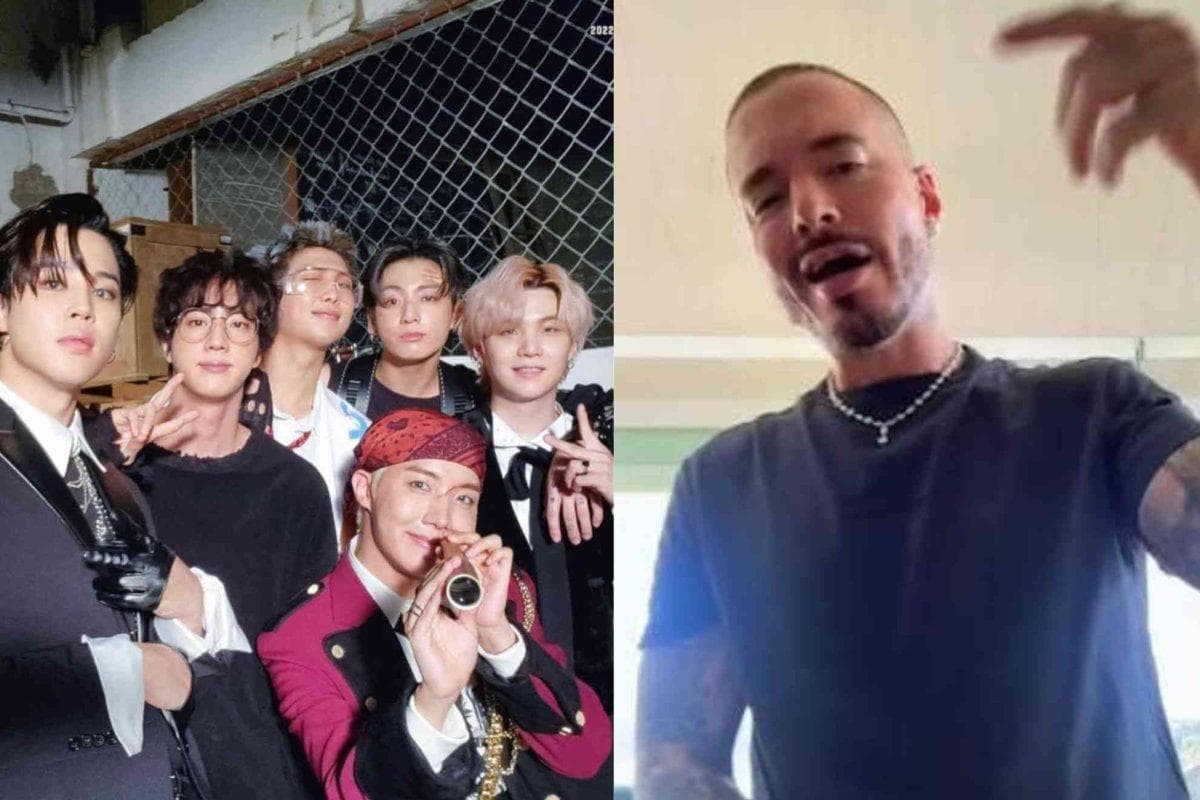
- The K-pop group BTS decided not to submit their music to the Grammy Awards following the creation of secondary categories based on origin or language.
- Global figures like The Weeknd and J Balvin raised their voices against the Grammys and Latin Grammys, denouncing a lack of real value.
- Diverse legends of the music industry have pointed out that the Grammys prioritize commercial benefit above artistic merit.
The prestigious Grammy stage finds itself at the center of international controversy once again after the successful K-pop band BTS made the firm decision not to submit their songs for the upcoming edition of the ceremony, arguing that the creation of specific categories based on geographic origin or language further alienates foreign talents from the coveted main categories. In this regard, the members of the musical phenomenon openly expressed their discontent with the recent measures implemented by the organization, recalling that despite BTS’s enormous global transcendence, the group has never managed to win the coveted award despite having broken innumerable commercial records on the industry’s popularity charts.
For its part, the Grammy leadership responded through official communiques defending the inclusion of these new cultural divisions, although generalized malaise within the community of artists continues to generate profound debates about the Academy’s evaluation criteria.
The historical controversy of BTS and the massive rejection of the awards
Likewise, historical figures like Irish singer Sinéad O’Connor staged memorable boycotts in the past by publicly rejecting the Grammys and refusing to attend the ceremony, arguing through open letters that the awards systematically prioritize material and commercial benefit above true art. Along the same lines, contemporary exponents like Morgan Wallen and Zach Bryan opted not to present their discographic productions for Grammy consideration, evidencing a constant rejection that transcends generational barriers and diverse musical genres. In this way, the controversy and tense relationship between content creators and the Grammy leadership reflects a collective demand for greater transparency, real inclusion and absolute respect toward the creative diversity that defines the current phonographic landscape.
@bichovvs BTS se suma a la lista de artistas que odian a los Grammy ❌🏆 #grammy #bts #eminem #beyonce #drake ♬ sonido original – Bicho Vásquez
The long history of boycotts led by major global stars
Far from being an isolated case, historical discontent with the Grammys counts upon numerous precedents like BTS’s, but protagonized by other world-class figures who decided to publicly turn their backs on the musical institution due to the lack of sociocultural representation, generating controversies surrounding the awards. One of the most remembered episodes occurred when The Weeknd decided to definitively veto the Grammys after being left out of the nominations despite the massive success of his discographic productions, publicly denouncing the opacity of the secret committees in charge of the votings and institutional disconnection.
Similarly, rappers like Drake harshly questioned the Grammy selection criteria after considering that the Academy repeatedly marginalizes Afro-descendant creators, while Frank Ocean decided at the time not to submit his acclaimed album upon verifying that the Grammys systematically ignored the talent of minorities in the main categories.
Ver esta publicación en Instagram
On the other hand, heavy-weight exponents within Hispanic music likeJ Balvin led historical protests under the slogan that the Grammys and Latin Grammys do not adequately value the cultural weight of certain urban movements, evidencing a persistent disconnection between the artists and the event’s organizers. Likewise, during his declarations on social networks, J Balvin emphasized that the Grammys need to stop grouping creators’ efforts under generic labels, demanding genuine respect that fosters the active participation of the community’s true leaders. Thus, both in the Anglo-Saxon and Latin markets, the growing displays of discontent toward the Grammys and the controversies around the awards led this year by groups like BTS, consolidate a movement of independent artists who demand a profound structural transformation from the Academy in benefit of equity and transparency.
Ver esta publicación en Instagram
